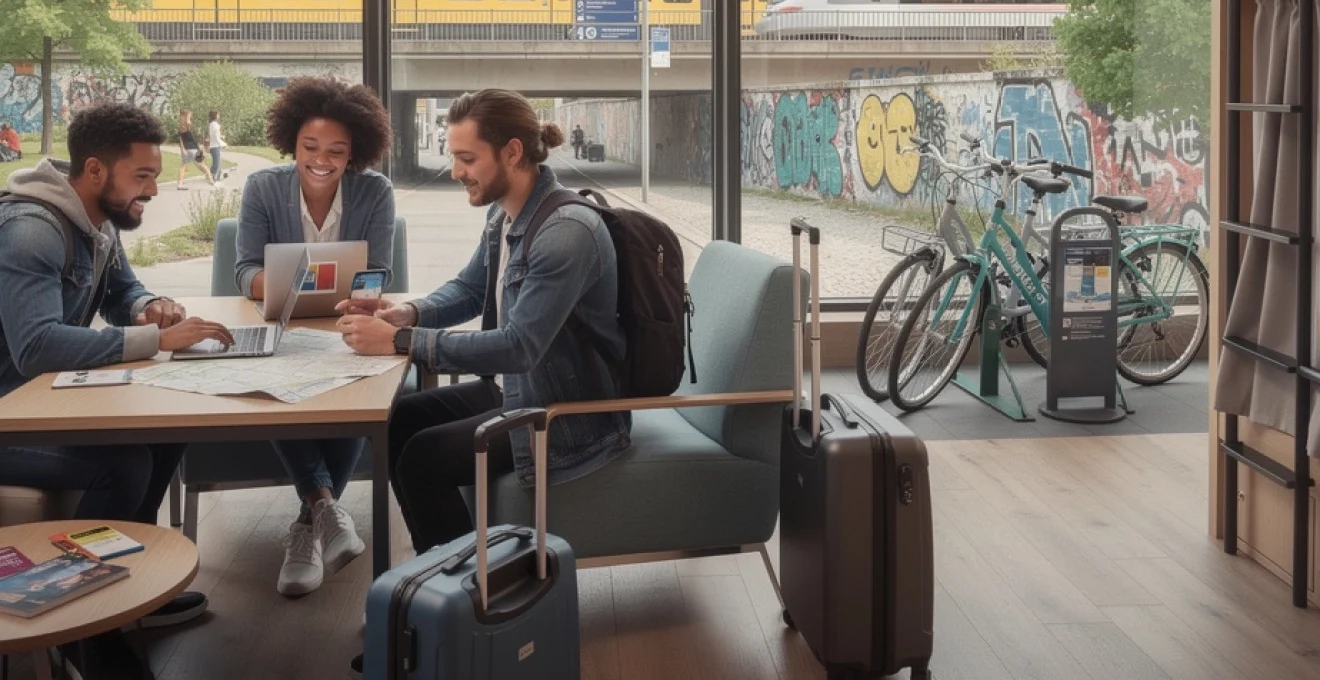
Berlin stands as Europe’s most vibrant and affordable capital city, attracting millions of budget-conscious travellers who seek authentic cultural experiences without the premium price tags found in Paris or London. The German capital’s hostel scene reflects this accessibility, offering an impressive array of accommodation options that range from €12 to €25 per night in dormitory settings. Whether you’re drawn to the alternative culture of Kreuzberg, the historical significance of Mitte, or the artistic energy of Friedrichshain, Berlin’s diverse neighbourhoods provide budget travellers with strategic bases for exploring the city’s rich tapestry of museums, galleries, nightlife venues, and historical landmarks.
Berlin’s hostel districts: neighbourhood analysis for budget travellers
Understanding Berlin’s distinct neighbourhoods proves essential for selecting accommodation that aligns with your travel priorities and budget constraints. Each district offers unique advantages, from proximity to major attractions to access to local nightlife scenes. The city’s efficient public transportation system connects these areas seamlessly, though choosing the right neighbourhood can significantly enhance your Berlin experience while potentially reducing daily transport costs.
Mitte district hostels: proximity to brandenburg gate and museum island
Mitte represents Berlin’s historical heart, housing iconic landmarks including Brandenburg Gate, Museum Island, and Unter den Linden boulevard. The Circus Hostel exemplifies this district’s appeal, positioned at Rosenthaler Platz with beds starting from €19 in eight-bed dormitories. This location places you within walking distance of Hackescher Markt, the Jewish Quarter, and numerous cultural institutions.
Generator Berlin Mitte occupies another prime position near Oranienburger Strasse, offering dormitory accommodation from €17.50 per night. The hostel’s proximity to the S-Bahn station provides excellent connectivity to other districts while maintaining easy access to Museum Island’s world-class collections. MEININGER Berlin Mitte Humboldthaus, housed in naturalist Alexander von Humboldt’s former residence, combines historical significance with modern amenities, featuring dormitory beds from €12.
The Mitte district’s central location means higher accommodation costs compared to outer neighbourhoods, but the savings on transportation and time spent travelling to major attractions often justify the premium. The area’s concentration of restaurants, cafés, and cultural venues creates an immersive urban experience that appeals particularly to first-time visitors seeking to maximise their sightseeing opportunities.
Kreuzberg accommodation: alternative culture hub with SO36 and görlitzer park access
Kreuzberg has evolved from a working-class Turkish neighbourhood into Berlin’s epicentre of alternative culture, street art, and nightlife. This district attracts younger travellers and digital nomads seeking authentic experiences away from tourist crowds. Comebackpackers offers budget accommodation with beds from €15 per night in 15-bed dormitories, positioning guests within walking distance of legendary venues like SO36 and the vibrant Bergmannstrasse market scene.
The neighbourhood’s Turkish heritage manifests in excellent döner kebab shops, authentic restaurants, and bustling markets that provide budget dining options rarely found in more touristy areas. Görlitzer Park serves as a recreational focal point where travellers can experience Berlin’s relaxed outdoor culture during summer months. The area’s graffiti-covered walls and independent galleries create an urban art museum that extends far beyond traditional exhibition spaces.
Hostel prices in Kreuzberg typically range 20-30% lower than comparable Mitte accommodations, reflecting the district’s authentic character rather than its inferior quality. The neighbourhood’s excellent U-Bahn connectivity through lines U1 and U8 ensures easy access to other parts of the city while maintaining its distinctive identity as Berlin’s creative quarter.
Friedrichshain options: east side gallery and RAW-Gelände entertainment quarter
Friedrichshain represents former East Berlin’s transformation into a dynamic entertainment and cultural district. The area houses the famous East Side Gallery, a 1.3-kilometre stretch of preserved Berlin Wall featuring international artists’ murals. The Michelberger Hotel, though slightly above traditional hostel pricing, offers converted factory accommodation that captures the district’s industrial heritage with dormitory-style options from €87.
Budget hostels in Friedrichshain tend to cluster around Warschauer Strasse and Ostkreuz, giving you direct access to the S-Bahn ring and night buses. This makes it easy to reach the RAW-Gelände complex, a former railway repair yard turned nightlife hotspot filled with clubs, bars, street food stalls, and open-air events. Prices for dorm beds in the area often start from €18–€22 per night, offering good value considering the short walking distances to major attractions like the East Side Gallery and the Spree riverside. If you are planning to experience Berlin’s club culture, staying in Friedrichshain can mean shorter (and cheaper) late-night journeys back to your hostel.
Another advantage of Friedrichshain hostels is their strong community atmosphere. Many properties feature on-site bars, communal kitchens, and regular events such as pub crawls or walking tours, which help solo travellers meet others. While weekends can be noisy due to nearby bars and venues, weekday stays tend to be quieter and even more budget-friendly. For travellers who value nightlife and an “edgy” urban environment over postcard-perfect streets, Friedrichshain is one of the best budget areas to stay in Berlin.
Prenzlauer berg establishments: boutique hostels in kollwitzplatz area
Prenzlauer Berg offers a softer, more residential alternative to Kreuzberg and Friedrichshain while still keeping you close to central Berlin. Around Kollwitzplatz and Helmholtzplatz, you will find tree-lined streets, independent cafés, organic supermarkets, and weekend markets that appeal to young families and creative professionals. Hostel options here are fewer but often more boutique in style, with smaller dorms, tasteful interiors, and a quieter atmosphere compared to Berlin’s party districts. Expect dormitory prices from around €22–€28 per night, reflecting the neighbourhood’s increasing popularity and gentrification.
Staying in Prenzlauer Berg suits travellers who prioritise sleep quality and a “local life” feel over 24/7 nightlife. You can start your day with affordable brunch spots, browse vintage shops, and walk to attractions like Mauerpark and its famous Sunday flea market. Tram lines and the U2 underground make it easy to reach Alexanderplatz and Mitte within 10–15 minutes, so you rarely feel disconnected from the main sights. If you are travelling as a couple or with a young family and still want a budget hostel in Berlin, Prenzlauer Berg’s boutique hostels near Kollwitzplatz strike a good balance between comfort and cost.
Hostel booking platforms: price comparison and reservation strategies
Choosing the right booking platform can make as much difference to your budget as choosing the right district. Berlin’s competitive hostel market means nightly rates can vary by 10–20% between platforms, even for the same bed and date. By understanding how sites like Hostelworld and Booking.com operate, you can avoid overpaying and secure the best value hostels in Berlin. A smart strategy involves comparing prices, checking cancellation policies, and sometimes contacting the hostel directly for exclusive offers.
Because Berlin hosts numerous conferences, festivals, and trade fairs, prices on major portals can fluctuate daily, much like airline tickets. You will often see “limited availability” messages that encourage quick decisions, but taking a few minutes to compare across platforms usually pays off. Think of booking platforms as different supermarket shelves: the product is identical, but the final price and extras included can differ more than you expect. With a little planning, you can reduce your accommodation spend and free up more of your budget for museums, food, and nightlife.
Hostelworld vs booking.com: commission structure impact on nightly rates
Hostelworld and Booking.com dominate the budget hostel space in Berlin, but their business models are slightly different. Hostelworld specialises in dormitory accommodation and generally charges guests a small deposit upfront, with the balance paid on arrival. Booking.com, by contrast, often allows free cancellation and charges the full amount closer to the stay or at check-in, depending on the property. Because both platforms charge hostels commission on each reservation, some properties adjust their nightly rates to compensate.
In practice, you might find that the same Berlin hostel lists a lower dorm price on Hostelworld but offers more flexible cancellation terms or breakfast inclusions on Booking.com. This difference is sometimes linked to how the hostel’s revenue manager allocates inventory and commissions across channels. For budget-conscious travellers, the best approach is to compare the “total cost” rather than just the base rate: include taxes, linens, and any booking fees. Have you ever chosen the cheapest option only to be hit with extra charges at check-in? Checking the fine print on each platform helps you avoid these surprises.
Another consideration is the review ecosystem. Hostelworld reviews tend to reflect backpacker-specific expectations, such as social atmosphere and bar quality, while Booking.com includes more hotel-style feedback, focusing on cleanliness and location. Reading both gives a more rounded picture, especially if you are weighing a party-focused hostel in Friedrichshain against a quieter property in Prenzlauer Berg. Treat reviews like multiple camera angles on the same scene: no single perspective tells the whole story, but together they help you make a confident decision.
Direct booking benefits: generator berlin mitte and MEININGER hotel discounts
Once you have used comparison sites to shortlist options, it often makes sense to check the hostel’s official website. Chains like Generator Berlin Mitte and MEININGER Berlin Mitte Humboldthaus frequently run direct-booking promotions that are not available through third-party platforms. These can include lower nightly rates, free breakfast, late checkout, or discounted bike rentals. Because hostels save on commission when you book direct, some pass part of that saving back to you as an incentive.
For example, Generator Berlin Mitte occasionally offers special “member” or newsletter rates that undercut aggregator prices by 5–10%. MEININGER properties sometimes provide flexible cancellation or multi-night discounts for direct reservations, which can be especially valuable if your plans are not fixed. If you are staying three nights or more, even a small nightly discount adds up quickly and can pay for a museum ticket or a decent meal. The key is to treat booking platforms as research tools, then double-check whether the hostel will reward you for contacting them directly.
That said, direct booking is not always the cheapest option. Some platforms negotiate exclusive flash deals or bundle discounts for specific dates, particularly in low season. The most effective strategy is simple: open two or three tabs, compare final prices for your dates, and factor in extras such as breakfast, towels, and Wi-Fi (which is usually free in Berlin hostels but not universally guaranteed). With this approach, you maximise your chances of finding truly cheap hostels in Berlin without sacrificing comfort or flexibility.
Last-minute booking apps: HotelTonight and same-day availability algorithms
Spontaneous traveller or arriving in Berlin without a reservation? Last-minute booking apps such as HotelTonight can be useful, especially outside peak periods. These apps work with hostels and hotels to sell unsold beds at a discount, using algorithms to adjust prices throughout the day based on current occupancy. For same-day bookings, you can sometimes save 20–30% compared to the original listed rate, particularly for private rooms in design-led properties that prefer to fill all available inventory.
However, relying on last-minute deals in Berlin is a bit like trying to get into a popular club without being on the list: sometimes it works beautifully, but sometimes you are left outside. During big events, trade fairs, or school holidays, budget hostels can fill up completely, and same-day prices may actually increase as supply shrinks. If you are travelling in July, over New Year’s Eve, or during major festivals, locking in your hostel at least a few weeks in advance is usually safer.
Last-minute apps are best used as a backup or as a way to upgrade within your budget. For instance, you might book a basic bed in a large dorm for your arrival night, then use same-day apps to see if a private room in a boutique hostel or a place like The Social Hub Berlin has dropped into your price range. This flexible approach combines security with the potential for unexpected bargains, especially in shoulder seasons like March–May and late September.
Dormitory configuration analysis: bed types and privacy solutions
Beyond location and price, the dormitory configuration in Berlin hostels has a big impact on your comfort. Options range from compact four-bed rooms to large 14–16 bed dorms, with corresponding differences in privacy, noise levels, and social atmosphere. Smaller dorms typically cost more per night but feel more like shared apartments, while larger dorms offer the lowest prices and are ideal if you prioritise meeting other travellers over uninterrupted sleep. When comparing cheap hostels in Berlin, it is worth looking not only at bed count but also at how the space is designed.
Many modern hostels in Berlin, including Circus Hostel and Wallyard Berlin, have shifted towards pod-style bunks with privacy curtains, reading lights, and individual power outlets. These “micro-cabins” create a cocoon-like space where you can retreat, even in an eight- or ten-bed room. Metal-framed bunks, as used at Wallyard, tend to creak less than wooden ones, reducing noise during the night. Lockers—often large enough for a medium suitcase—are typically placed under the beds or against the wall, allowing you to secure valuables with your own padlock or a rented one.
Privacy solutions in Berlin hostels go beyond curtains. Some properties install partial partitions between bunks or stagger the bed layout to avoid face-to-face sleeping positions. Others offer female-only dorms for guests who prefer a single-gender environment, often at a small premium per night. If you are a light sleeper, consider bringing earplugs and an eye mask regardless of configuration; even the best-designed dorm cannot fully control hallway noise or early departures. Think of these accessories as your personal “portable private room” that travels with you, no matter how many people share the space.
Bathrooms are another key variable. In some hostels, each dorm has its own ensuite bathroom, which is convenient but can create queues at peak times. In others, shared facilities are located in the hallway, often with separate shower and toilet cubicles to increase throughput. For longer stays, you may appreciate hostels that offer both options in the same building, allowing you to choose the configuration that best fits your budget and comfort level. Reviewing the floor plans or photos on booking platforms gives you a clearer sense of what to expect before you arrive.
Budget hostel amenities: essential facilities vs premium add-ons
A well-chosen budget hostel in Berlin should cover your essential needs without forcing you to pay for extras you do not use. Core facilities usually include free Wi-Fi, secure lockers, 24-hour reception, and basic bedding. Many properties, such as a&o Hostels and Grand Hostel Berlin, also provide guest kitchens or at least microwave stations, which can significantly reduce your daily food costs. When comparing prices, think about which amenities you will actually use rather than being swayed by long feature lists.
Premium add-ons can include paid breakfast buffets, on-site bars, laundry facilities, bike rental, coworking spaces, and organised activities such as pub crawls or walking tours. For digital nomads or remote workers, hostels with quiet coworking areas—like The Social Hub Berlin—offer good value, as they save you from renting separate desk space in the city. For short city breaks, however, you might prefer to cut costs by skipping breakfast packages and instead picking up inexpensive pastries or snacks from local bakeries and supermarkets.
Some amenities directly affect your daily budget in less obvious ways. For example, a hostel with a guest kitchen and supermarket nearby can reduce your food expenses by 30–40% compared to eating out for every meal. On the other hand, if you plan to sample Berlin’s bar scene, a hostel with happy hour deals or a reasonably priced bar might save you money compared to touristy venues around Alexanderplatz. Asking yourself a simple question—“Will I really use this?”—helps you distinguish between genuinely useful amenities and marketing extras.
It is also worth checking policy details around linens, towels, and luggage storage. Most Berlin hostels now include bed linens in the base rate, but some still charge small fees for towels or early check-in baggage storage. While these costs are modest, they can add up over a week-long stay. Treat your hostel’s amenity list like a menu: choose the items that match your travel style and skip the rest, rather than paying for a “set menu” of features you might never touch.
Transportation connectivity: U-Bahn and S-Bahn access from major hostels
Efficient public transport is one of Berlin’s greatest assets for budget travellers. When choosing a hostel, proximity to U-Bahn and S-Bahn stations can be just as important as nightly price, especially if you are staying on the city’s edges. Properties like Generator Berlin Mitte, MEININGER Berlin Mitte, and a&o Berlin Hauptbahnhof are within a few minutes’ walk of major stations, reducing both travel time and the temptation to rely on taxis. Over several days, choosing a well-connected hostel can shave hours off your commuting time and noticeably lower your transport costs.
Most of Berlin’s main attractions sit within fare zones A and B, and many budget hostels are clustered along key lines like the U1, U2, U6, and S-Bahn Ringbahn. When evaluating a hostel, look up its nearest station and typical journey times to landmarks such as Brandenburg Gate, Alexanderplatz, and East Side Gallery. You can think of this like checking the “ping” on an internet connection: lower numbers (shorter travel times) generally mean a smoother, more enjoyable stay. This is especially true if you plan late-night outings, where reliable night buses and S-Bahn services become crucial.
Zone AB travel cards: tegel airport to city centre hostel routes
Although Berlin Tegel Airport has now closed and flights have been moved to Berlin Brandenburg (BER), many guides still reference Tegel-era routes. Today, most visitors arrive at BER in zone C and then travel into zones A and B, where the majority of budget hostels are located. For these journeys, a Berlin ABC ticket or a Berlin WelcomeCard including zone C will cover travel from the airport to hostels in Mitte, Kreuzberg, Friedrichshain, or Prenzlauer Berg. Once you are checked in, a standard AB day pass or 48–72 hour ticket typically provides the best value for unlimited urban travel.
To reach central Berlin hostels from BER, you can use regional trains (such as FEX, RE7, or RB14) to stations like Berlin Hauptbahnhof or Alexanderplatz, then transfer to the U-Bahn if necessary. Hostels near these hubs, including a&o Berlin Hauptbahnhof and properties around Alexanderplatz, benefit from quick, straightforward connections. If your hostel is slightly further out, route planners like BVG’s official app or Google Maps can help you find the fastest combination of trains and buses. Investing in a travel card from day one turns the entire city into your doorstep, allowing you to change neighbourhoods as easily as changing rooms.
Night bus networks: N40 and N42 lines for late-night hostel access
Berlin’s nightlife rarely ends before dawn, and its night bus network ensures you can return to your hostel without expensive taxis. Lines such as N40 and N42 supplement night S-Bahn and U-Bahn services, connecting central areas with residential districts and hostel zones. If you plan to visit late-night venues in Kreuzberg, Friedrichshain, or around RAW-Gelände, checking the nearest night bus stops in advance is a smart move. This way, you are not left guessing at 3 a.m. about how to get back to your bed.
For example, buses running along major arteries like Karl-Marx-Allee, Sonnenallee, or around Kottbusser Tor link popular nightlife spots with hostels in multiple districts. Many Berlin hostels provide night transport maps at reception or include them in digital welcome packs. Treat these as part of your safety toolkit, alongside standard precautions such as travelling in groups late at night where possible. Knowing that a reliable N-line bus stops close to your hostel means you can enjoy Berlin’s legendary club scene without worrying about the journey home.
Berlin WelcomeCard integration: museum pass and public transport bundles
If your itinerary includes multiple museums and extensive use of public transport, the Berlin WelcomeCard can be a cost-effective solution. This card bundles unlimited travel in zones AB or ABC with discounts—often 25–50%—at over 180 attractions, including many museums, tours, and cultural venues. While it does not include every major museum on Museum Island, it does reduce entry fees to a wide range of sites that budget travellers often prioritise. For hostel guests staying three days or more, the combined savings on transport and entry fees can be substantial.
Using a Berlin WelcomeCard is straightforward: you validate it once, then simply carry it with you for the duration of its validity (from 48 hours up to several days). Because the card replaces the need for separate daily tickets, it simplifies your travel planning and helps avoid fines for boarding without a valid fare. Before purchasing, compare the card’s cost against your planned activities; if you only intend to visit one or two paid museums, a standard AB day pass plus individual tickets might be cheaper. Think of the WelcomeCard as an all-you-can-eat buffet: it delivers real value if you “eat” (use) enough of what is on offer.
Bicycle storage facilities: nextbike station proximity and hostel bike rentals
Cycling is one of the most enjoyable and budget-friendly ways to explore Berlin, thanks to extensive bike lanes and generally flat terrain. Many hostels provide either free or low-cost bicycle storage, allowing you to bring your own bike or rent one locally without security worries. Properties like Wallyard Berlin and several a&o hostels offer on-site bike rental as well, making spontaneous rides along the Spree or through Tiergarten easy to organise. For environmentally conscious travellers, this combination of cheap hostels and bike access is particularly attractive.
Public bike-sharing systems, including Nextbike and other providers, have stations scattered across central Berlin, often within a few minutes’ walk of major hostels. When evaluating accommodation, check whether a bike station is nearby; this can save you time and money compared to hiring bikes from tourist shops. Daily rental rates are typically modest, and short rides under a certain duration may even be free or heavily discounted, depending on the scheme. By combining a budget hostel with smart use of bike-sharing, you can cover more ground than on foot while still keeping your daily expenses under control.
Safety-wise, Berlin is generally bike-friendly, but it is worth familiarising yourself with local cycling rules, such as using dedicated bike lanes and respecting tram tracks. Always lock your bike with a sturdy lock, ideally to fixed infrastructure rather than just another wheel. Many hostels have indoor courtyards or dedicated racks that offer an extra layer of protection. In effect, your hostel becomes both your accommodation and your “bike garage,” supporting a low-cost, flexible way to see the city.
Peak season pricing dynamics: oktoberfest and christmas market periods
While Berlin remains more affordable than Munich or Hamburg, hostel prices still respond sharply to seasonal demand. During major events and holiday periods, nightly rates for even basic dorm beds can rise by 30–60% compared to low season. Although Berlin does not host the main Oktoberfest (that honour belongs to Munich), many visitors transit through or choose Berlin as a cheaper base for autumn travel, which can tighten availability. The Christmas market season, stretching from late November through December, is particularly popular, with travellers drawn to festive markets at Alexanderplatz, Gendarmenmarkt, and Charlottenburg Palace.
How does this affect your search for budget hostels in Berlin? In peak periods, central areas like Mitte and around Alexanderplatz can book out weeks in advance, pushing last-minute travellers towards outer districts or higher-priced private rooms. To keep costs manageable, consider booking at least four to six weeks ahead for stays during Advent, New Year’s Eve, and large trade fairs at Messe Berlin. Flexible travellers might also shift their dates by a day or two—arriving mid-week rather than on a Friday can sometimes produce noticeably lower rates.
Outside these peaks, shoulder seasons such as early spring and late autumn often deliver the best value, combining moderate prices with fewer crowds at attractions. If your travel dates are fixed but your neighbourhood is flexible, you can leverage Berlin’s excellent transport network to stay in slightly less central areas like Moabit or Lichtenberg, where hostel prices may stay lower even during busy periods. Ultimately, understanding Berlin’s pricing rhythms helps you avoid unpleasant surprises and ensures that “budget hostel in Berlin” remains more than just a marketing phrase—it becomes a realistic part of your travel strategy.