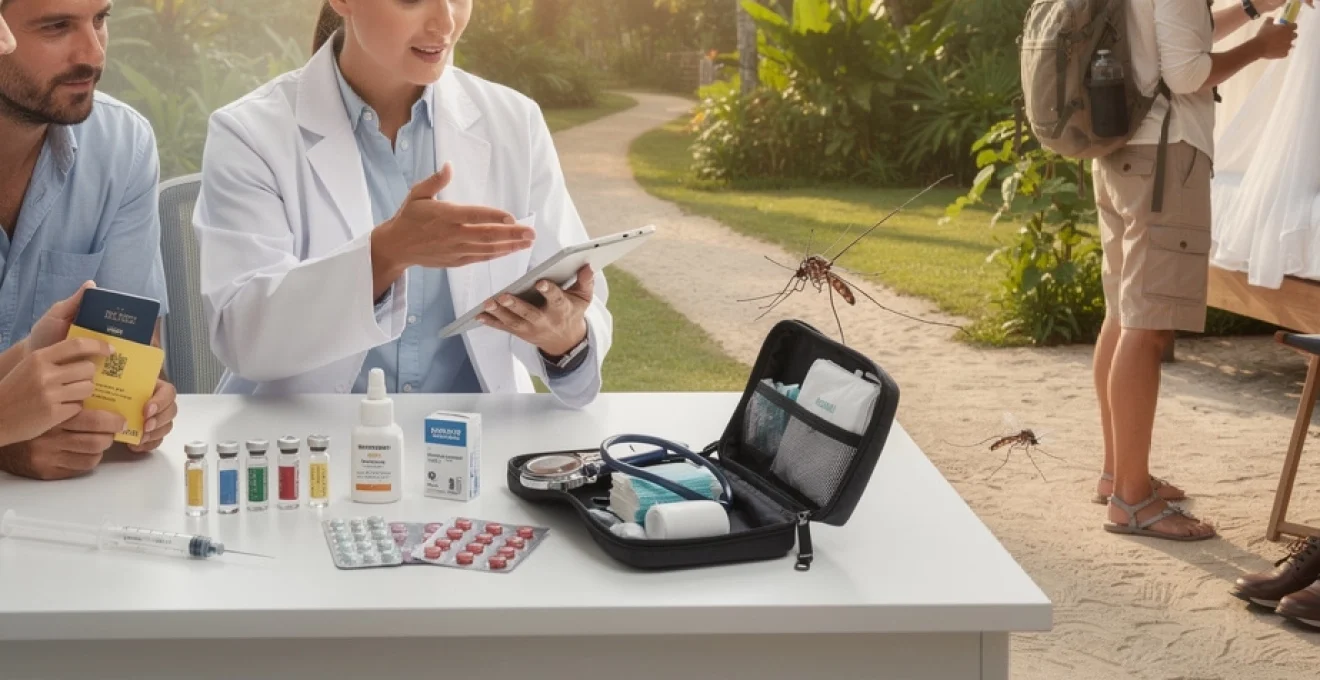
Tropical destinations offer breathtaking landscapes, vibrant cultures, and unforgettable experiences, but they also present unique health challenges that require careful preparation. The combination of year-round warmth, high humidity, and distinct disease patterns creates an environment where preventable illnesses can quickly derail your travel plans. Whether you’re planning to explore the Amazon rainforest, trek through Southeast Asian jungles, or relax on Caribbean beaches, understanding the specific health risks and implementing proper preventive measures is crucial for a safe and enjoyable journey.
The statistics speak volumes about the importance of proper preparation: each year, millions of travellers return home with preventable tropical diseases, many of which could have been avoided with adequate pre-travel planning. From malaria cases imported from sub-Saharan Africa to dengue fever contracted in popular Asian destinations, the consequences of inadequate health preparation can be severe and long-lasting.
Pre-travel medical consultation and risk assessment documentation
Scheduling a comprehensive pre-travel medical consultation 6-8 weeks before departure forms the foundation of safe tropical travel. This timeframe allows sufficient time for vaccinations to develop immunity and for any adverse reactions to be addressed before travel. During this consultation, healthcare providers assess your medical history, current medications, destination-specific risks, and travel itinerary to create a personalised health protection plan.
The consultation process involves reviewing your vaccination records, identifying gaps in protection, and determining which additional immunisations are necessary for your specific destinations. Many travellers underestimate the importance of routine vaccinations, yet diseases like measles and rubella remain prevalent in many tropical regions. Your healthcare provider will also assess whether you have any medical conditions that might increase your susceptibility to tropical diseases or complicate treatment if you become ill abroad.
Documentation requirements vary significantly between countries and regions. Some nations mandate specific vaccinations for entry, whilst others require proof of vaccination when arriving from certain areas. The International Certificate of Vaccination or Prophylaxis (ICVP) serves as official documentation for vaccines like yellow fever, which is required for entry to many countries in sub-Saharan Africa and South America. Maintaining accurate vaccination records becomes particularly important for frequent travellers who may need to demonstrate their immunisation status at multiple border crossings.
Yellow fever vaccination requirements for Sub-Saharan africa and south america
Yellow fever vaccination represents one of the most critical health preparations for tropical travel, particularly for destinations in sub-Saharan Africa and South America. This mosquito-borne viral disease can cause severe illness, including liver damage, bleeding, and death in approximately 20-50% of severe cases. The yellow fever vaccine provides excellent protection, with immunity lasting at least 10 years and often for life after a single dose.
Countries with yellow fever transmission require vaccination certificates for travellers arriving from endemic areas, and many nations mandate vaccination for all visitors regardless of origin. The vaccine must be administered at designated yellow fever vaccination centres, as only these facilities can issue the internationally recognised certificates. Planning becomes crucial because the certificate only becomes valid 10 days after vaccination, meaning last-minute travellers may face entry restrictions.
Malaria chemoprophylaxis selection based on plasmodium resistance patterns
Malaria prevention requires a nuanced approach based on the specific Plasmodium species present in your destination and their resistance patterns to antimalarial drugs. Plasmodium falciparum, the most dangerous species, has developed resistance to multiple drugs in various regions, particularly in Southeast Asia and parts of Africa. This resistance necessitates careful drug selection based on current epidemiological data and individual risk factors.
Atovaquone-proguanil offers broad-spectrum protection and excellent tolerability but comes at a higher cost than alternatives. Doxycycline provides effective protection against resistant strains and offers additional benefits against other bacterial infections, though it increases sun sensitivity. Mefloquine remains effective in many areas but carries a higher risk of neuropsychiatric side effects. Your healthcare provider will consider your medical history, destination, travel duration, and personal preferences when selecting the most appropriate option.
Hepatitis A and B immunisation protocols for endemic regions
Hepatitis A and B vaccination protocols require different approaches based on the level of endemicity in your destination and
your likelihood of exposure. Hepatitis A is typically given as a 2-dose schedule 6 to 12 months apart, although even a single dose before travel offers strong short-term protection. Hepatitis B usually requires a 3-dose course over 6 months, but accelerated schedules exist for last-minute travellers, with follow-up boosters to secure long-term immunity. For many people visiting tropical countries frequently or for extended periods, combined Hepatitis A and B vaccines provide a practical way to build comprehensive protection against both viruses.
For travellers with underlying liver disease, immunosuppression, or those planning higher-risk activities such as long-term volunteering, healthcare work, or intimate contact with local populations, Hepatitis B becomes especially important. In regions where both infections are endemic and medical facilities may be limited, vaccination reduces your reliance on emergency care following potential exposure. If you’re unsure of your existing immunity, simple blood tests can confirm whether you’ve had previous infection or vaccination, allowing your provider to tailor an efficient, cost-effective immunisation plan before you depart.
Japanese encephalitis vaccine considerations for southeast asian travel
Japanese encephalitis (JE) is a mosquito-borne viral infection found across many rural and peri-urban areas of Southeast Asia and parts of the Western Pacific. While the overall risk to short-term travellers is low, the consequences of severe infection can be devastating, including permanent neurological damage and death. The JE vaccine is most strongly recommended for travellers spending a month or more in endemic areas, especially if they’ll be staying in rural regions, working outdoors, or visiting rice fields and pig farms where transmission is highest.
Shorter-term travellers may also be candidates for vaccination if their itinerary includes extensive outdoor evening activities, homestays in villages, or periods when outbreaks are being reported locally. Modern inactivated JE vaccines typically require two doses spaced 28 days apart, although some products offer an accelerated schedule. As with other tropical travel vaccinations, planning your consultation at least 6 to 8 weeks before departure ensures you can complete the full course and achieve optimal immunity before arriving in high-risk zones.
Meningococcal ACWY vaccination for Sub-Saharan meningitis belt exposure
The African “meningitis belt” stretches from Senegal in the west to Ethiopia in the east and experiences seasonal outbreaks of meningococcal disease, particularly during the dry season. Travellers visiting these areas, especially between December and June, face an increased risk of acquiring invasive meningococcal infection, which can cause meningitis and septicaemia with rapid progression and high mortality. The quadrivalent MenACWY vaccine protects against four major strains (A, C, W, and Y) and is recommended for those spending prolonged periods in affected regions, living in close contact with local communities, or participating in large gatherings.
Some countries, including Saudi Arabia for Hajj and Umrah pilgrims, legally require proof of MenACWY vaccination for entry during certain periods. If your tropical itinerary includes transiting through or working in the meningitis belt, or undertaking humanitarian, medical, or educational placements, you should discuss this vaccine with your travel health provider. Protection usually lasts at least 5 years in adults, so frequent travellers to high-risk regions may benefit from receiving the vaccine well ahead of time and maintaining an up-to-date record in their International Certificate of Vaccination.
Vector-borne disease prevention strategies and personal protective equipment
Beyond vaccines and tablets, physical protection against insect bites is one of the most effective health tips before visiting tropical countries. Mosquitoes, ticks, sandflies, and midges can transmit malaria, dengue, Zika, chikungunya, yellow fever, and other tropical infections. Think of your defences as layered armour: repellent on the skin, treated clothing on the body, and bed nets around your sleeping area. When used together and applied correctly, these measures can reduce your risk of insect-borne disease dramatically, even in high-transmission environments.
Personal protective equipment (PPE) for travellers may sound technical, but in practice it includes familiar items: long-sleeved shirts, trousers, socks, hats, and insect repellent. The key is understanding when, where, and how to use each layer for maximum benefit. Are you heading to a malaria-endemic jungle, or a dengue-prone city? Knowing which mosquito species you’re targeting helps you time your precautions effectively and avoid complacency during “off-peak” hours that may not be as safe as they seem.
Deet-based repellent application techniques for aedes aegypti control
Aedes aegypti, the primary vector for dengue, Zika, and chikungunya, is a day-biting mosquito that thrives in urban and semi-urban environments. Because it bites most aggressively around early morning and late afternoon, you need consistent repellent use whenever you’re outdoors, not just at night. DEET-based repellents (ideally 20–50%) remain the gold standard for personal protection, offering several hours of defence when applied correctly. Lower concentrations provide shorter protection and may need to be reapplied more frequently in humid, sweaty conditions.
For best results, apply DEET repellent to all exposed skin after sunscreen has fully dried, using enough product to form an even, thin layer rather than a few scattered sprays. Pay attention to ankles, wrists, behind the knees, and the back of the neck, as mosquitoes often target these overlooked areas. If you’re using clothing that isn’t pre-treated, you can lightly spray fabric surfaces as well, avoiding plastics and synthetic materials that may degrade with prolonged DEET contact. Remember to reapply after heavy sweating, swimming, or showering, following the manufacturer’s recommended intervals.
Permethrin-treated clothing systems for tick and mosquito protection
Permethrin is a synthetic pyrethroid insecticide that can be safely applied to clothing, hats, and bed nets to create a powerful “contact kill” barrier against mosquitoes, ticks, and other biting insects. For travellers planning intensive outdoor activities—such as trekking in tropical forests, camping, or wildlife research—using permethrin-treated clothing significantly reduces the number of bites and the risk of diseases like malaria and tick-borne encephalitis. Many outdoor brands now sell pre-treated garments that retain their effectiveness for dozens of washes.
If you prefer to treat your own clothing, follow product instructions carefully, ideally performing treatment outdoors in a well-ventilated space and allowing garments to dry completely before wearing. Focus on items that cover your extremities: socks, trousers, cuffs, and shirt collars where insects often crawl in. Combining permethrin-treated fabrics with DEET on exposed skin provides a synergistic effect, much like locking your doors and turning on an alarm system at the same time. This dual approach is especially valuable in regions with both mosquito and tick-borne risks.
Bed net selection and proper installation methods
In many tropical settings, particularly rural or low-resource areas, insecticide-treated bed nets are a cornerstone of malaria prevention. Not all nets are created equal, however. When choosing a net, look for long-lasting insecticidal nets (LLINs) with a fine mesh that prevents small mosquitoes and midges from entering. The size and shape should suit your sleeping arrangements, whether that’s a single bed, double bed, or hammock. Conical nets are versatile but may sag if not supported properly, while rectangular nets often provide better internal space when you have multiple suspension points.
Correct installation is just as important as net quality. Before sleeping, ensure the net is tucked securely under the mattress or sleeping mat on all sides, with no gaps where insects can enter. Avoid letting the net rest directly on your skin, as mosquitoes can bite through the mesh if they are close enough. If you’re staying in basic accommodation, carry lightweight hooks or cord to create extra attachment points on ceilings or walls. Inspect the net regularly for holes and repair any damage promptly with tape or stitching to maintain full protection throughout your trip.
Peak biting time awareness for anopheles and culex species
Understanding when different mosquito species are most active allows you to fine-tune your protective measures throughout the day. Anopheles mosquitoes, which transmit malaria, typically bite from dusk until dawn, making evening and nighttime precautions especially critical. This means wearing long sleeves and trousers after sunset, using DEET repellent consistently, and sleeping under insecticide-treated nets whenever you’re in malaria-endemic regions. Indoor residual spraying and air conditioning can offer additional protection by reducing mosquito numbers inside buildings.
Culex mosquitoes, which can transmit Japanese encephalitis and West Nile virus, are often most active from dusk through the night, overlapping with Anopheles but sometimes extending into early morning. Meanwhile, as noted earlier, Aedes mosquitoes favour daytime biting. By recognising these patterns, you can adapt your behaviour—closing windows before dusk, avoiding unnecessary outdoor exposure at peak times, and planning activities like jungle treks or river trips during lower-risk hours whenever possible. Think of this as “time-based PPE”: you’re not just protected by what you wear, but also by when and where you choose to be outdoors.
Gastrointestinal health protection and water purification methods
Gastrointestinal infections are among the most common health problems encountered in tropical countries, ranging from mild traveller’s diarrhoea to severe illnesses such as cholera, typhoid, and amoebic dysentery. Changes in local food hygiene standards, water quality, and unfamiliar bacteria can easily upset your digestive system, especially in the first week of travel. While it’s impossible to eliminate all risk, sensible precautions dramatically reduce the likelihood of serious illness that could disrupt your trip—or land you in hospital.
Safe food and water practices begin with the basics: drink bottled, boiled, or properly treated water; avoid ice of uncertain origin; and opt for freshly cooked, piping hot meals over lukewarm buffets. A simple rule of thumb many travel health experts use is “boil it, cook it, peel it, or leave it.” For higher-risk trips, especially to remote areas, carrying a portable water purification method is invaluable. Modern options include compact filters, UV purifiers, and chlorine dioxide tablets that can make river or tap water safe to drink when used correctly.
Maintaining hand hygiene is equally important. Washing hands with soap and safe water before eating and after using the toilet remains one of the most effective ways to prevent gastrointestinal infections. When soap and water are not available, alcohol-based hand sanitiser (at least 60% alcohol) offers good backup protection. Packing oral rehydration salts (ORS) and a short course of antidiarrhoeal medication provides a first line of treatment if diarrhoea occurs. If you experience high fever, blood in your stool, or symptoms lasting more than 3 days, seek medical care promptly, as these may indicate a more serious tropical infection needing targeted treatment.
Climate adaptation and heat-related illness prevention protocols
Heat and humidity in tropical climates can stress even the fittest traveller, especially during the first few days in-country. Unlike drier hot environments, tropical heat combines high temperatures with moisture-laden air, reducing the effectiveness of sweating and increasing the risk of dehydration and heat-related illness. Preparing your body and your schedule for these conditions is just as important as packing the right medicines. Have you considered how your usual pace of life will translate to 35°C heat with 90% humidity?
Effective climate adaptation involves a mix of behavioural strategies, hydration management, and awareness of early warning signs of heat stress. You may find that tasks which feel routine at home—climbing stairs, carrying a backpack, or walking in direct sun—become far more taxing in the tropics. By building in rest periods, planning physically demanding activities for cooler morning hours, and using shade and air conditioning whenever possible, you can enjoy your destination while keeping heat-related risks under control.
Acclimatisation strategies for high humidity environments
Acclimatisation is the process by which your body gradually adapts to a hotter, more humid climate, improving your ability to regulate temperature and maintain performance. This adjustment typically takes 7 to 14 days, with the greatest improvements occurring in the first week. During this time, it’s wise to reduce your usual exertion level, avoid sudden intense exercise, and give yourself permission to move more slowly. Think of early days in the tropics as a “training phase” rather than a race to tick off every attraction.
Practical acclimatisation strategies include starting with shorter walks or lighter activities and progressively increasing duration and intensity as you feel more comfortable. Wear loose, breathable clothing made from moisture-wicking fabrics or light cotton, and choose footwear that allows your feet to ventilate. Scheduling breaks in shaded or air-conditioned spaces allows your body to cool down and reset. Listening to your body—recognising when you feel unusually fatigued, dizzy, or nauseated—is crucial; pushing through early warning signs can quickly escalate into serious heat illness.
Electrolyte replacement therapy for tropical dehydration
In hot, humid climates, you lose not only water through sweat but also essential electrolytes such as sodium, potassium, and chloride. Plain water alone may not be enough to restore balance, especially if you’re exercising, trekking, or already affected by diarrhoea. Electrolyte replacement therapy bridges this gap, helping maintain blood volume, nerve function, and muscle performance. It’s a simple but powerful tool for staying healthy in tropical regions where dehydration can sneak up on you surprisingly fast.
Oral rehydration salts (ORS) or electrolyte tablets are compact, lightweight additions to your travel health kit that can be dissolved in safe water whenever needed. Commercial sports drinks can help in a pinch, but many are high in sugar and not optimally balanced for medical rehydration. A sensible routine is to sip fluids steadily throughout the day rather than gulping large amounts all at once. If you notice dark urine, infrequent urination, dry mouth, or headaches, it’s time to increase both your fluid and electrolyte intake promptly. In effect, you’re “topping up the tank” before the engine overheats.
Heat exhaustion recognition and field treatment techniques
Recognising heat exhaustion early is vital, as it can progress to life-threatening heatstroke if untreated. Common symptoms include heavy sweating, weakness, dizziness, nausea, headache, and a rapid pulse. Skin may feel cool and clammy despite the high ambient temperature. Travellers often mistake these signs for simple tiredness, especially when excited by new surroundings. Asking yourself, “Do I feel worse than my level of activity should explain?” can be a useful mental check in hot environments.
Initial treatment focuses on cooling and rehydration. Move to a shaded or air-conditioned area, lie down with legs slightly elevated, and loosen or remove excess clothing. Apply cool, wet cloths to the skin, fan the person, and encourage slow sips of water or an electrolyte solution if they are fully conscious and not vomiting. Avoid ice-cold drinks or sudden immersion in very cold water, which can cause shivering and reduce heat loss. If symptoms persist, worsen, or if the person becomes confused, stops sweating, or develops a very high temperature, seek emergency medical help immediately, as these are red flags for heatstroke.
UV index management and melanoma risk mitigation
In tropical regions, the UV index is often high or extreme for much of the year, dramatically increasing the risk of sunburn and long-term skin damage. The intensity of sunlight close to the equator can surprise travellers from temperate climates, where a similar air temperature might carry a far lower UV dose. Effective sun protection is therefore a core component of health tips before visiting tropical countries, not just a cosmetic concern. Cumulative UV exposure contributes to premature skin ageing, cataracts, and skin cancers, including melanoma.
Mitigating UV risk involves multiple strategies: applying broad-spectrum sunscreen with SPF 30 or higher, reapplying every two hours and after swimming or heavy sweating, and wearing wide-brimmed hats, sunglasses with UV protection, and sun-protective clothing. When possible, seek shade during peak UV hours, typically between 11am and 3pm, and remember that reflective surfaces like water and sand intensify exposure. Using local UV index forecasts can help you plan outdoor activities more safely—if the index is very high, consider shifting strenuous excursions to early morning or late afternoon when the sun’s rays are less intense.
Emergency medical preparedness and evacuation insurance coverage
Even with careful planning, unexpected medical issues can arise during travel to tropical countries, ranging from minor injuries to serious infections or accidents. Being prepared for these scenarios before you depart can make the difference between a manageable inconvenience and a financial or logistical crisis. Comprehensive travel insurance that includes medical treatment, hospitalisation, and emergency evacuation is not a luxury in the tropics—it’s an essential safety net.
When assessing policies, look beyond headline figures to check coverage for pre-existing conditions, high-risk activities (such as diving, trekking, or motorbike rental), and medical evacuation to the nearest appropriate facility, which may be in a neighbouring country. In some regions, high-quality private hospitals require proof of insurance or upfront payment before providing non-emergency care. Keeping digital and paper copies of your insurance documents, policy number, and emergency contact phone numbers readily accessible ensures you can act quickly under stress.
Practical emergency preparedness also includes carrying a personalised medical kit with prescription medications, basic first aid supplies, and a summary of your medical history and allergies. Researching the locations of reputable hospitals or clinics at your destination, as well as local emergency numbers, allows you to respond swiftly if illness or injury occurs. Consider registering your trip with your home country’s foreign affairs or travel advisory service, which can provide alerts and may assist in extreme emergencies. Ultimately, robust preparation doesn’t mean you expect problems; it simply means you’re ready to handle them calmly if they arise.
Post-travel health monitoring and tropical disease screening protocols
Your responsibility for travel health doesn’t end when you board the flight home. Many tropical diseases have incubation periods ranging from days to weeks—or even months—meaning symptoms may only appear after you return. Paying attention to your health in the weeks following your trip and seeking timely medical advice if something feels wrong is a critical final step in safe tropical travel. How can you tell when a seemingly simple fever might be more than “just a bug” picked up on the plane?
Any fever of 38°C or higher within a year of visiting a malaria-endemic area warrants urgent medical assessment, with clear mention of your recent travel history. Malaria, dengue, chikungunya, and typhoid can all present with non-specific flu-like symptoms, so informing healthcare professionals about where you’ve been, what you did, and any known exposures helps them order appropriate tests quickly. Persistent diarrhoea, unexplained weight loss, jaundice, or unusual rashes after returning from tropical regions also merit evaluation for infections such as giardiasis, amoebiasis, viral hepatitis, or skin infestations.
If you experienced animal bites or scratches in rabies-endemic countries, ensure that any recommended post-exposure prophylaxis is completed according to schedule, even if you feel well. Similarly, travellers who had unprotected sex abroad should arrange STI screening as soon as practical, following local guidelines. Keeping a simple travel health diary—recording destinations, dates, illnesses, and any medical care received—can be invaluable for clinicians if problems arise later. By combining vigilant post-travel monitoring with the pre-travel and during-travel measures discussed earlier, you close the loop on comprehensive health protection when visiting tropical countries.