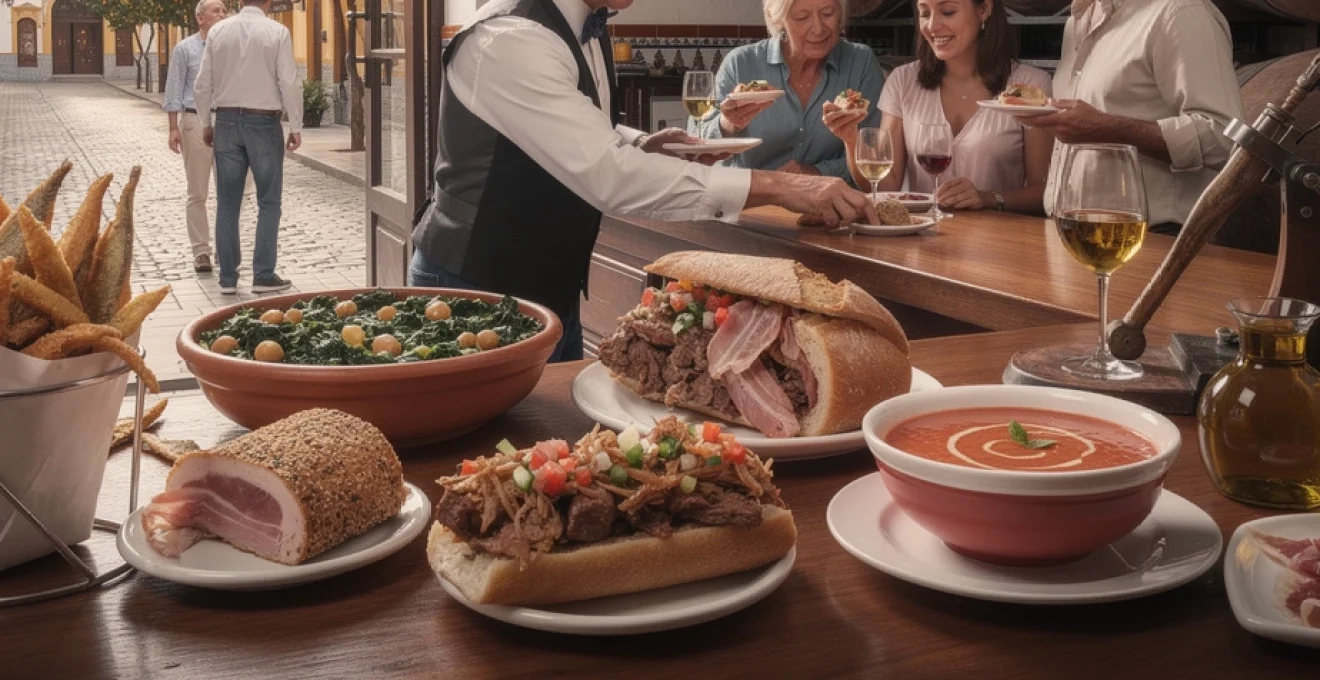
Seville stands as the undisputed capital of Andalusian tapas culture, where centuries-old culinary traditions blend seamlessly with contemporary gastronomic innovation. The city’s labyrinthine streets echo with the sounds of clinking glasses, animated conversations, and the rhythmic chopping of ingredients in countless tabernas and modern establishments alike. From the historic quarter of Santa Cruz to the vibrant neighbourhood of Triana, Seville’s tapas scene represents far more than mere sustenance—it embodies a social ritual that has shaped Andalusian identity for generations. The amber glow of sherry, the aroma of olive oil heated to perfection, and the sight of perfectly cured jamón hanging from wooden beams create an sensory symphony that defines authentic Sevillian hospitality.
Andalusian tapas heritage and sevillano culinary identity
The tapas tradition in Seville extends far beyond simple appetisers, representing a complex cultural phenomenon rooted in the region’s unique historical position as a crossroads of Mediterranean civilisations. Archaeological evidence suggests that the practice of serving small portions alongside wine dates back to Roman times, when acetaria—small salads and preserved foods—accompanied the consumption of local vintages. The evolution of this custom through the Visigothic period and into the Islamic era created the foundation for what would eventually become the sophisticated tapas culture we recognise today.
Moorish influences in traditional sevillian small plates
The eight-century Islamic presence in Andalusia profoundly influenced Sevillian cuisine, introducing sophisticated preservation techniques, spice combinations, and ingredient preparations that remain integral to contemporary tapas culture. Moorish culinary traditions brought saffron, cumin, and coriander to local kitchens, whilst advanced irrigation systems allowed for the cultivation of almonds, citrus fruits, and rice—ingredients that continue to define Andalusian gastronomy. The Islamic prohibition against alcohol paradoxically enhanced the development of tapas, as Christian reconquest saw the resurgence of wine culture paired with the sophisticated small-plate techniques refined during Muslim rule.
Traditional preparations such as escabeche (marinated fish), alcaparrones (large capers), and various almond-based sauces demonstrate clear Moorish lineage. The technique of slow-cooking meats with aromatic spices, evident in modern preparations of carrillada (pork cheeks) and rabo de toro (oxtail), reflects centuries of cultural synthesis between Islamic and Christian culinary traditions.
Regional product integration: olive oil, jamón ibérico, and sherry vinegar
Seville’s tapas identity remains inseparable from the triumvirate of premium Andalusian products: extra virgin olive oil, jamón ibérico, and sherry vinegar. The province’s olive groves, extending across more than 50,000 hectares, produce oils characterised by fruity intensity and peppery finishes that enhance everything from simple bread preparations to complex seafood dishes. Local varieties such as Picual and Hojiblanca create distinct flavour profiles that experienced taperos can identify by taste alone.
Jamón ibérico production in the nearby Sierra de Aracena represents one of Europe’s most sophisticated charcuterie traditions. The acorn-fed pigs, known as bellota grade, produce ham with distinctive nutty undertones and marbled fat that melts at room temperature. Sevillian tapas bars typically age their jamones for a minimum of 24 months, with premium establishments featuring legs cured for 48 months or longer.
Denominación de origen protegida impact on local tapas ingredients
Protected designation of origin certifications significantly influence the authenticity and quality of ingredients used in Sevillian tapas establishments. The Jerez-Xérès-Sherry DOP encompasses the sherry triangle region, ensuring that vinegars and wines used in local preparations meet stringent quality standards. Similarly, the Jamón de Huelva DOP guarantees the provenance and production methods
de dehesa-raised pigs and curing standards associated with top-tier jamón ibérico.
For Sevillian tapas culture, these DOP labels function as both quality assurance and storytelling devices. When you order a plate of queso payoyo from Cádiz or aceitunas aliñadas seasoned with Jerez vinegar, you are not simply tasting a product—you are engaging with a regulated chain of production that protects small-scale producers and regional identity. This controlled origin system also supports gastronomic tourism, as visitors increasingly seek out bars and restaurants that highlight certified local products on their tapas menus.
Chefs in Seville often build entire tasting flights around DOP ingredients, pairing sherry vinegars with different olive oils or offering comparative platters of jamón from distinct denominaciones. For the curious diner, paying attention to these labels can be an effective way to navigate menus and prioritise truly local, traceable products when exploring tapas in Seville.
Evolution from medieval tavern culture to modern gastronomy
The evolution of tapas in Seville mirrors broader shifts in Iberian social life, from medieval taverns catering to muleteers and merchants to contemporary gastro-bars serving avant-garde small plates. In the Middle Ages, inns and ventas along trade routes offered simple accompaniments—bread, cheese, salted fish—to keep travellers nourished and moderately sober while drinking wine. These early “covers”, sometimes literally placed over the glass to protect the drink, laid the groundwork for today’s tapas ritual.
By the Golden Age of Spanish literature, writers were already documenting scenes of bustling Sevillian taverns where small plates accompanied animated political and religious debate. The 19th and early 20th centuries brought café culture and the rise of the abacería—hybrid grocery shops and bars where customers could sample cured meats, tinned seafood, and local wines by the glass. In the late 20th century, the New Spanish Cuisine movement reframed tapas as a canvas for fine-dining techniques, giving rise to modern establishments that play with textures, temperatures, and cross-cultural influences while preserving the convivial format.
Today, you can trace this full historical spectrum in a single evening: begin in a century-old tavern where the floor is strewn with olive pits, then continue to a sleek bar plating deconstructed salmorejo with nitrogen-frozen toppings. The constant thread is not the style of cooking, but the social function of tapas in Seville—eating in small, shared portions, moving from place to place, and weaving gastronomy into the fabric of daily urban life.
Essential sevillian tapas preparations and culinary techniques
Understanding tapas culture in Seville also means appreciating the techniques that give classic dishes their distinctive character. Far from being improvised bar snacks, many of the most emblematic tapas rely on carefully honed methods passed down through generations of cooks. From the precise control of frying temperatures for pescaíto frito to the slow emulsification of olive oil in chilled soups, these preparations reveal a technical sophistication often hidden behind their apparent simplicity.
As you move between traditional taverns and contemporary tapas bars, you will notice how certain recipes remain almost unchanged, while others have been reinterpreted with new ingredients or presentations. Knowing the basics of how these dishes are prepared can help you recognise quality, ask informed questions, and choose where to eat in Seville with greater confidence.
Pescaíto frito: andalusian frying methods and batter compositions
Pescaíto frito—literally “little fried fish”—is one of the pillars of Andalusian tapas, and Seville has perfected both the technique and the ritual of eating it. At its best, the dish is light, crisp, and never greasy, a result that depends less on heavy batter and more on meticulous control of oil temperature and coating. Most traditional bars favour a fine coating of chickpea or wheat flour, sometimes blended with a small amount of semolina to add extra crunch without absorbing excess oil.
The key lies in maintaining the frying oil—almost always olive oil or a high-quality blend—between 170°C and 190°C. Fish such as anchovies, cuttlefish, baby squid, and small pieces of hake are dredged in flour just before frying, shaken vigorously to remove the excess, and then cooked in small batches to avoid lowering the oil temperature. This technique produces the signature “shatter-crisp” exterior while keeping the flesh moist and delicate. When you are choosing where to order pescaíto frito in Seville, look for bars with a constant turnover of orders and oil that smells clean rather than burnt or heavy.
Some modern tapas bars experiment with tempura-style batters or gluten-free mixes, but the best still respect the Andalusian principle of minimal intervention: the fish itself is the star, and the coating is little more than a vehicle for texture. A wedge of lemon, a sprinkle of sea salt, and perhaps a glass of cold manzanilla sherry are all you need to complete the experience.
Flamenquín cordobés adaptation in seville’s tapas bars
Although flamenquín originated in nearby Córdoba, Seville has enthusiastically adopted and adapted this indulgent tapa. Traditionally, it consists of a thin slice of pork loin wrapped around jamón serrano, rolled, breaded, and deep-fried into a golden cylinder. In Sevillian tapas bars, you will often encounter smaller, bite-sized versions served ración-style for sharing, or filled with regional cheeses and occasionally even vegetables to create lighter variations.
The technique behind a good flamenquín mirrors that of classic escalope preparation: the pork is pounded to an even thinness, seasoned, layered with ham (and sometimes cheese), then rolled tightly before being coated in flour, beaten egg, and breadcrumbs. Careful chilling before frying helps the roll hold its shape and prevents the filling from leaking. The result is a crisp exterior that gives way to layers of savoury meat and, in some modern versions, molten cheese.
Where can you find standout flamenquín in Seville? Look for establishments that fry to order and serve the rolls freshly cut, revealing a neat spiral rather than a collapsed mass. Many bars in the Arenal and Alameda districts have turned this once-rustic dish into a signature tapa, pairing it with refined garnishes such as piquillo pepper coulis or a drizzle of PX sherry reduction.
Espinacas con garbanzos: legume cookery and spice balancing
Espinacas con garbanzos is one of the most emblematic vegetarian tapas in Seville, yet its apparent simplicity hides a nuanced balance of textures and spices. The dish likely traces its roots to Moorish and Sephardic culinary traditions, combining slow-cooked chickpeas with wilted spinach, garlic, cumin, and smoked paprika. In many taverns, stale bread is fried and blended into the sauce, giving the stew body and a subtle toasted flavour.
Proper legume cookery is essential here. While some modern kitchens rely on high-quality canned chickpeas for convenience, the most traditional bars still soak dried chickpeas overnight and simmer them slowly with bay leaves until tender but not mushy. The spice base—often a paste of garlic, cumin, and paprika fried briefly in olive oil—must be cooked just long enough to bloom the aromas without burning, a step that can make the difference between a flat dish and one with deep, warming complexity.
As you explore tapas in Seville, notice how each bar adjusts the proportions of spinach to chickpeas, the intensity of cumin, and the level of smokiness from the paprika. Some versions lean towards a dry, almost crumbly consistency ideal for piling onto bread, while others are saucier and designed to be eaten with a fork. If you are unsure what to order, asking for espinacas con garbanzos is an excellent way to gauge a tavern’s respect for tradition and ingredients.
Montaditos de pringá: slow-cooked meat preservation techniques
The montadito de pringá is a quintessential Sevillian bite that grew out of domestic resourcefulness. Pringá originally referred to the mixture of meats left over from a long-simmered stew—often including beef, pork, and chorizo—shredded and mashed together with their own rendered fat. Rather than wasting these remnants, families would spread them onto bread as a richly flavoured snack that could be enjoyed over several days.
In contemporary tapas bars, this practice has evolved into a beloved small sandwich served warm, usually in the mid-morning or early evening. The underlying technique remains rooted in slow cooking and preservation: large cuts of meat are simmered gently with aromatics until they can be pulled apart by hand, then mixed and stored in their own fat, which acts as a natural preservative and flavour carrier. When a customer orders a montadito de pringá, a portion is reheated and tucked into crusty bread, often toasted lightly on the plancha.
From a culinary standpoint, the dish is a masterclass in secondary use and nose-to-tail efficiency—nothing is wasted, and flavours are intensified over time. For visitors, it is also one of the most direct ways to experience Sevillian comfort food. Seek it out in traditional taverns around the old town and Triana, where pringá is still made in-house rather than purchased pre-prepared.
Gazpacho andaluz variations in local tabernas
Gazpacho andaluz is perhaps Andalusia’s most internationally famous contribution to cold soup culture, and Seville offers a wealth of variations that go far beyond the supermarket carton. At its core, classic gazpacho is a blend of ripe tomatoes, green pepper, cucumber, garlic, bread, olive oil, and vinegar, emulsified into a smooth, drinkable consistency. In many Sevillian bars, it is served in small glasses rather than bowls, blurring the line between beverage and tapa.
Local tabernas play with this base in subtle but significant ways. Some reduce or omit bread altogether to create a lighter, almost juice-like drink ideal for the hottest months; others increase the proportion of olive oil to produce a creamier, more luxurious texture. Garnishes can range from simple diced vegetables to croutons, hard-boiled egg, or even flakes of salted tuna, turning a humble soup into a layered tapa. You may also encounter relatives of gazpacho such as salmorejo—thicker, bread-forward, and typically topped with jamón and egg—on the same menu.
For those exploring tapas in Seville during summer, a practical tip is to order gazpacho early in your route, when you are still thirsty and the palate is fresh. Use it as a cooling pause between richer fried dishes and meat-based tapas. And if you are curious about ingredients or techniques, many bartenders are happy to explain their house recipe, reflecting a local pride in even the simplest preparations.
Iconic tapas establishments in seville’s historic quarters
The fabric of Seville’s tapas culture is woven not only from recipes and ingredients but also from the spaces that host them. Certain establishments have transcended the role of mere eateries to become living institutions, where architecture, service rituals, and generational continuity are as important as the food itself. Visiting these bars offers insight into how tapas in Seville function as repositories of memory and identity.
From wood-panelled taverns lined with sherry barrels to contemporary dining rooms framed by 19th-century façades, each iconic venue tells a different chapter of the city’s gastronomic story. When planning where to eat in Seville, incorporating a mix of these historic and modern reference points allows you to experience the full spectrum of the city’s tapas heritage.
Casa morales: century-old sherry barrel architecture and traditional service
Located just steps from the Cathedral, Casa Morales has been serving Sevillanos since 1850 and remains one of the most atmospheric places to experience traditional tapas culture. The bar is divided into distinct spaces, but its most striking feature is the rear room, where enormous clay sherry amphorae—some over two metres high—are embedded into the walls. These vessels, once used to store bulk wine, now function as architectural icons that transport visitors to an earlier era of sherry commerce.
Service at Casa Morales follows time-honoured patterns: orders are often written in chalk on the bar, and plates arrive swiftly, without unnecessary formality. The menu leans heavily on cold tapas and preserved products—anchovies, mojama (cured tuna), local cheeses—reflecting its origins as an abacería. When you visit, try pairing a simple montadito of lomo (cured pork loin) with a glass of oloroso or manzanilla sherry poured directly from the cask, an experience that encapsulates the link between architecture, product, and ritual.
Casa Morales also illustrates how historic spaces adapt to modern tourism without losing their core identity. While you will certainly find visitors among the crowd, the clientele remains predominantly local, and peak hours still see regulars taking their usual spots at the bar, maintaining an unbroken line of habit across generations.
El rinconcillo: spain’s oldest tapas bar operating since 1670
Often cited as the oldest continuously operating bar in Spain, El Rinconcillo dates back to 1670 and has become synonymous with tapas in Seville. Stepping inside, you are greeted by a visual collage of centuries: wooden beams darkened with age, geometric tiles climbing the walls, and cured hams hanging above a bar where orders are still tallied in chalk. The front room, typically crowded with standing patrons, offers one of the most evocative environments for an authentic tapeo.
The kitchen at El Rinconcillo focuses on classic Sevillian tapas executed with consistency rather than experimentation. Dishes like espinacas con garbanzos, salmorejo, croquettes, and jamón ibérico showcase the city’s traditional repertoire, making the bar a useful benchmark for first-time visitors. Prices remain surprisingly reasonable given the venue’s fame, and portions are designed for sharing, encouraging the social aspect of the experience.
Because of its popularity, El Rinconcillo can become crowded, especially in the evenings and on weekends. One practical strategy is to visit just after opening or in the late afternoon, when you can better appreciate the details of the interior and observe the rhythm of service—plates sliding across the bar, sherry being poured, and the soft murmur of conversation beneath the clink of glasses.
Bar eslava: modern tapas innovation in traditional alameda setting
In the dynamic Alameda de Hércules district, Bar Eslava has earned a reputation as one of Seville’s most influential modern tapas bars. Unlike the centuries-old taverns of the old town, Eslava represents a newer wave of establishments that blend contemporary culinary techniques with a respect for local products. The décor is understated and bright, a contrast to the dim, wood-heavy interiors of traditional bars, yet the atmosphere remains casual and convivial.
The menu at Bar Eslava is where innovation becomes most evident. Signature tapas such as the slow-cooked egg on boletus cake with caramelised wine reduction, or the honey-glazed pork ribs, reinterpret Andalusian flavours in refined, almost fine-dining compositions—served, importantly, at accessible tapa prices. This approach has attracted both locals and gastronomically inclined visitors, making Eslava a frequent answer to the question “where to try modern tapas in Seville?”
Due to its popularity, waiting for a table is common, especially at peak times. However, the bar area operates on a first-come, first-served basis, and many regulars prefer to eat standing, in keeping with the city’s traditional tapas customs. If you are interested in seeing how Sevillian cuisine is evolving, Bar Eslava offers a clear window into the city’s contemporary culinary creativity.
Taberna coloniales: multi-location success in barrio santa cruz
Taberna Coloniales began as a modest tavern and has since expanded to multiple locations, including a prominent outpost near the Plaza Cristo de Burgos, close to the edges of Barrio Santa Cruz. Despite its growth, it has maintained the feel of a classic neighbourhood bar, with marble-topped tables, chalkboard menus, and generous portions designed for sharing among families and groups of friends.
The menu at Coloniales is extensive, featuring both time-honoured dishes—such as solomillo al whisky and carrillada—and more contemporary creations. One of its hallmarks is the option to order many plates as either tapa, half portion, or full portion, making it an ideal place for travellers who want to sample a broad cross-section of Sevillian tapas without overspending. The pricing is notably competitive, which has helped cement its reputation among locals.
Because of its popularity and central location, you can expect a waiting list during peak evenings, managed via a simple name-on-the-list system. This, too, is part of the experience: you might find yourself having a drink outside while you wait, blending into the crowd of Sevillanos and visitors all participating in the same nightly ritual of shared, small-plate dining.
Tapas route cartography through seville’s neighbourhood ecosystems
Navigating tapas in Seville is as much about geography as it is about gastronomy. Each neighbourhood—or barrio—functions like its own culinary ecosystem, with distinct rhythms, price points, and specialities. Planning your route with a sense of this “tapas cartography” allows you to experience how the city’s food culture shifts from one district to another, much like moving through different rooms in a single, sprawling house.
For example, a classic daytime route might begin in the historic centre around the Cathedral and Santa Cruz, where narrow alleys open onto hidden plazas lined with traditional taverns. From there, you could cross the bridge into Triana for seafood-focused tapas near the market, before heading north in the evening to Alameda de Hércules, where contemporary bars and younger crowds dominate. Asking yourself what kind of atmosphere you want—lively or quiet, traditional or experimental—can help determine which neighbourhood should anchor your tapas exploration that day.
Seasonal tapas calendar and ingredient availability cycles
One of the most rewarding ways to deepen your understanding of tapas culture in Seville is to pay attention to seasonality. While some staples appear year-round, many of the most beloved dishes are tied to specific times of year, festivals, or agricultural cycles. Just as you would not expect the same menu in a northern European bistro in January and July, the most authentic tapas bars in Seville adjust their offerings to reflect what is freshest and most appropriate to the climate.
In spring, for instance, you will see an abundance of artichokes, broad beans, and fresh peas, often featured in light stews or briefly sautéed with jamón. Holy Week and the Feria de Abril bring their own specialities, such as bacalao (salt cod) dishes and sweet fritters like pestiños or torrijas. Summer menus lean heavily on chilled dishes—gazpacho, salmorejo, marinated salads—designed to cool the body in temperatures that can exceed 40°C. Autumn and winter mark the peak for hearty stews, game meats, and slow-cooked dishes like carrillada and oxtail.
For visitors, understanding this seasonal rhythm can be a practical tool when deciding where to eat in Seville and what to order. If a bar is advertising a dish strongly associated with a particular season when the ingredients are not at their best, it may be a sign that the kitchen is catering more to expectations than to quality. Conversely, a chalkboard menu that changes weekly, highlighting seasonal vegetables, fish, and regional products, usually indicates a commitment to freshness and local sourcing.
Contemporary tapas tourism integration and economic impact analysis
In recent decades, tapas in Seville have moved from being a primarily local ritual to a major driver of international tourism and urban economic development. According to regional tourism statistics, gastronomy now ranks among the top three motivations for visiting Andalusia, and Seville’s reputation as a tapas capital plays a central role in that appeal. The result is a complex interplay between preserving authenticity and accommodating growing numbers of visitors seeking “where to try tapas in Seville” experiences.
On the economic front, the proliferation of tapas-focused tourism has generated employment not only in bars and restaurants but also along the entire supply chain, from small-scale olive growers and sherry producers to artisanal cheesemakers. Neighbourhoods such as Triana and Alameda have seen significant revitalisation, with former industrial or residential spaces converted into culinary venues that attract both locals and visitors. At the same time, this growth presents challenges, including rising rents and the risk of homogenisation if bars begin prioritising easily recognisable dishes over regional diversity.
Many of the city’s most respected establishments navigate this tension by integrating visitors into pre-existing local practices rather than creating parallel experiences. Food tours, for example, often partner with family-run taverns that have been operating for decades, ensuring that tourism revenue supports long-standing businesses instead of displacing them. As travellers, we can contribute positively by seeking out venues that highlight local products, respect seasonality, and employ staff under fair conditions, rather than simply following the most photographed spots on social media.
Ultimately, the integration of tapas tourism into Seville’s economy underscores a broader trend: gastronomy has become a key lens through which cities project their identity and negotiate global attention. For Seville, the challenge and opportunity lie in ensuring that the clink of glasses and the sharing of small plates continue to reflect an authentic Andalusian way of life—even as more of the world comes to the city’s bars to taste it.