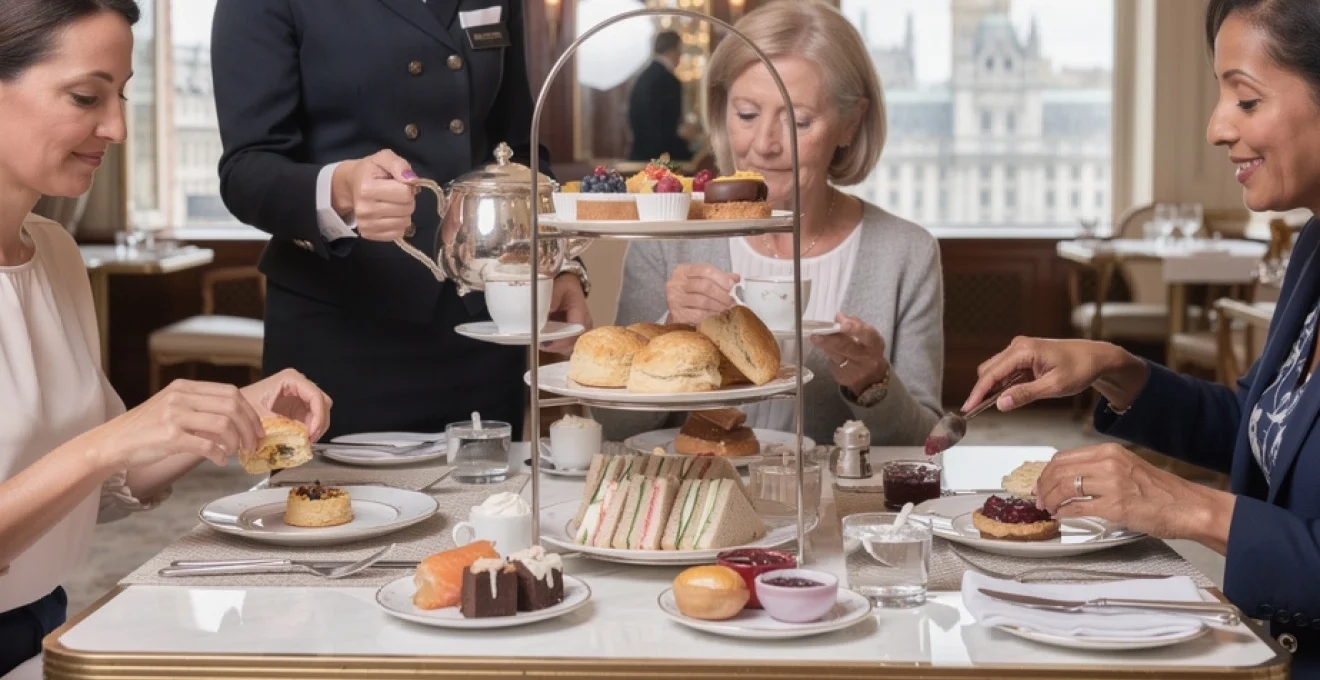
The quintessentially British tradition of afternoon tea represents far more than a simple meal—it embodies centuries of refined social customs, culinary artistry, and cultural heritage that continues to captivate visitors from around the globe. London serves as the epicentre of this beloved ritual, where elegant establishments maintain the highest standards of service whilst offering an authentic glimpse into aristocratic leisure practices that originated in the 1840s. Whether you’re seeking an intimate gathering with friends or marking a special celebration, understanding the intricate protocols and selecting the perfect venue will transform your afternoon tea experience from merely pleasant to truly unforgettable.
Essential etiquette protocols for traditional afternoon tea service
Mastering afternoon tea etiquette requires understanding subtle social conventions that distinguish casual dining from this refined cultural practice. These protocols ensure respectful participation in a tradition that has welcomed guests for nearly two centuries, creating an atmosphere of sophistication and mutual consideration amongst fellow diners.
Proper scone breaking techniques and jam application methods
The correct approach to consuming scones follows specific techniques that honour traditional practices whilst ensuring optimal flavour combinations. Break your scone horizontally using your hands rather than cutting with a knife, creating two separate halves that provide the ideal surface for accompaniments. Apply clotted cream first using the provided knife, followed by jam—though regional preferences vary between Devon and Cornwall regarding this sequence. Avoid biting directly into a whole scone, as this departure from convention may appear uncouth to fellow guests who observe traditional protocols.
Tea pouring hierarchy and guest service customs
Tea service follows established hierarchical customs that demonstrate consideration for others whilst maintaining proper social order. The designated host should pour for guests first, using the provided tea strainer when loose-leaf varieties are served. Pour milk after the tea rather than before, allowing guests to determine their preferred strength and colour. When serving others, hold the teapot handle firmly whilst using your other hand to steady the lid, preventing accidental spillage that could disrupt the elegant presentation.
Napkin placement and cutlery usage standards
Proper napkin placement and utensil usage reflect understanding of formal dining conventions that enhance the overall experience. Place your napkin on your lap immediately upon seating, folding it in half with the crease facing your body. Use the smallest fork provided for petit fours and pastries, whilst sandwiches may be consumed by hand following traditional finger food customs. When temporarily leaving the table, place your napkin on your chair seat rather than the table surface, signalling your intention to return.
Conversation topics and social interaction guidelines
Appropriate conversation topics contribute significantly to the refined atmosphere that distinguishes afternoon tea from casual dining experiences. Engage in pleasant discourse about travel experiences, cultural observations, or seasonal topics whilst avoiding controversial subjects that might disturb fellow guests. Maintain moderate voice levels that allow private conversation without disrupting neighbouring tables, demonstrating consideration for others who seek the same peaceful ambiance you desire.
Premium london venues for authentic afternoon tea experiences
London’s most prestigious establishments offer distinctly different approaches to traditional afternoon tea service, each maintaining exceptional standards whilst providing unique atmospheric qualities that cater to diverse preferences and special occasions.
The ritz london’s palm court traditional service
The Ritz London presents afternoon tea in their dedicated Palm Court, where five daily sittings accommodate guests seeking the most formal traditional experience available in the capital. The ornate setting features elaborate décor, professional live music, and impeccably trained staff who execute service with military precision. Tables are positioned closely together, creating an intimate yet theatrical atmosphere where guests become part of the distinguished tradition. The comprehensive service includes exceptional tea sandwiches, perfectly proportioned scones, and an additional dessert trolley that provides extra indulgences beyond the standard three-tier presentation.
Fortnum & mason’s diamond jubilee tea salon
Fortnum & Mason dedicates an entire floor of their Piccadilly flagship store to their Diamond Jubilee Tea Salon, where live piano accompaniment enhances the elegant white-tablecloth setting. The establishment’s reputation rests particularly upon their extraordinary bread quality, which creates tea sandwiches described by regular patrons as remarkably soft and cloud-
soft, with fillings that showcase classic British flavours at their best. Tea selection here is outstanding, with signature blends such as Queen Anne or Royal Blend offering robust yet nuanced profiles ideal for a traditional English afternoon tea in London. Guests particularly praise the scones and clotted cream, which many consider among the finest in the city, as well as the balanced portion sizes that allow you to enjoy every component without feeling overwhelmed. Service is attentive and knowledgeable, making Fortnum & Mason an excellent choice for both first-time visitors and seasoned afternoon tea enthusiasts.
Claridge’s foyer & reading room heritage experience
Claridge’s offers one of the most iconic venues for a traditional English afternoon tea in London, with its Foyer & Reading Room combining Art Deco elegance and contemporary comfort. Afternoon tea here follows the classic three-tier format, with menus that change seasonally to highlight the best British produce. Expect perfectly cut finger sandwiches, warm scones served with Cornish clotted cream, and pastries crafted with the precision of haute pâtisserie. Prices for the standard afternoon tea typically start from around £95 per person, with Champagne upgrades available for special occasions.
What sets Claridge’s apart is its meticulous attention to detail across the entire tea service. Teas are brewed to exacting specifications, with staff advising you on optimal steeping times and flavour profiles whether you choose a traditional Darjeeling or the house Claridge’s blend. Live music, soft lighting, and plush seating create an atmosphere that feels both glamorous and reassuringly relaxed, ideal if you want to immerse yourself in heritage without any sense of stiffness. Due to its enduring popularity, reservations are essential, especially for weekend sittings or festive seasonal teas.
The shard’s aqua shard contemporary tea service
For a more contemporary interpretation of a traditional English afternoon tea in London, Aqua Shard on level 31 of The Shard combines classic elements with striking modern presentation and panoramic skyline views. Rather than replicating an old-world tearoom, this venue embraces sleek architecture, floor-to-ceiling glass, and London’s dramatic cityscape as part of the experience. The three-tier stand often includes inventive twists on traditional sandwiches, modern pastries, and scones served in a more minimalist style, appealing to guests seeking Instagram-worthy visuals alongside refined flavours.
Tea selection at Aqua Shard typically encompasses both classic blends and more adventurous infusions, providing an opportunity to experiment beyond English Breakfast or Earl Grey. Service is polished yet less formal than at heritage hotels, which makes this an excellent option if you prefer a relaxed dress code and a slightly more casual atmosphere. Prices sit in the upper mid-range compared with other premium afternoon tea venues in London, but the combination of quality, creativity, and unforgettable views over Tower Bridge and the City delivers strong value for a special outing.
Harrods georgian restaurant classic presentation
Harrods’ Georgian Restaurant, located within the legendary Knightsbridge department store, showcases a classic interpretation of the English afternoon tea tradition with a distinctly glamorous twist. The setting blends ornate ceilings, chandeliers, and plush seating to create the feeling of a grand European salon, making it a popular choice for visitors who wish to combine luxury shopping with a leisurely tea service. Traditional finger sandwiches, warm scones with clotted cream and jam, and a selection of elegant pastries are presented on fine china, preserving the timeless charm associated with Harrods.
Guests can choose from an extensive tea menu, including exclusive Harrods blends developed specifically for afternoon tea service. Service tends to be efficient and friendly, with staff happy to explain the different tea options and offer refills on sandwiches or scones when available. Because Harrods is a major visitor attraction, afternoon tea here often feels lively and international rather than hushed and formal. If you enjoy combining people-watching with your tiers of treats, the Georgian Restaurant provides a quintessential London department store experience without compromising on the core elements of a traditional tea.
Traditional three-tier stand components and consumption sequence
The hallmark of a traditional English afternoon tea in London is the iconic three-tier stand, carefully arranged to guide you through a structured yet indulgent culinary progression. Understanding the role of each layer helps you pace yourself, appreciate the craftsmanship of each item, and avoid the common mistake of diving into the sweets too early. While some modern venues introduce creative variations, most still honour the classic bottom-to-top order that has defined afternoon tea since the 19th century.
Bottom tier savoury selection: cucumber and smoked salmon sandwiches
The bottom tier typically presents an assortment of delicate finger sandwiches, designed to open the afternoon tea experience with light, savoury flavours. Cucumber sandwiches, often paired with cream cheese or a subtle herb butter, represent the purest expression of British restraint and elegance: cool, refreshing, and finely seasoned rather than overpowering. Smoked salmon on soft bread—sometimes with lemon, dill, or a hint of horseradish—adds richness and depth, providing a satisfying contrast to the simplicity of cucumber.
Many London tea rooms supplement these classics with additional fillings such as egg and cress, roasted chicken, or ham with mustard, but the guiding principle remains balance and delicacy. Sandwiches are usually crustless and cut into neat fingers or rectangles for ease of eating with your fingers. To experience traditional afternoon tea in the intended way, you should begin with these savouries, working your way across the selection before contemplating the next tier. This progression mirrors a formal meal, where you start with savoury courses before moving to bread and dessert.
Middle tier fresh-baked scones with clotted cream pairings
The middle tier almost always houses the scones, widely regarded as the heart of a traditional English afternoon tea in London. Served warm and lightly golden, they may come as plain, fruit-studded, or occasionally flavoured with subtle additions such as vanilla or buttermilk. Accompaniments typically include thick clotted cream—denser and richer than whipped cream—and a high-quality fruit preserve, often strawberry or raspberry. Some venues also offer lemon curd for a sharper citrus counterpoint.
Best practice is to enjoy the scones after you have finished, or almost finished, your sandwiches, treating them as the bridge between savoury and sweet. As discussed earlier, you should break the scone by hand and apply cream and jam in your preferred order, taking care not to assemble it like a sandwich. Because scones can be filling, pace yourself and consider sharing an extra one if your venue offers refills. This way, you can fully appreciate the pastries waiting above without feeling overly full.
Top tier petit four selection and seasonal pastry varieties
The top tier showcases the pâtissier’s artistry, presenting an array of petits fours, miniature cakes, and seasonal pastries that complete your afternoon tea on a high note. You might encounter glossy fruit tartlets, delicate éclairs, layered mousse cakes, or macarons, each crafted to offer an intense burst of flavour in just a few bites. During festive seasons, many London tea rooms incorporate themed creations—think spiced gingerbread entremets at Christmas or pastel-hued floral cakes in spring—to reflect the time of year.
Because these sweets are often rich and intricately decorated, they are designed to be savoured slowly rather than eaten in quick succession. You can think of the top tier as the dessert trolley of your miniature banquet, showcasing variety and creativity in equal measure. For an optimal experience, choose your first pastry based on the tea in your cup—pair a citrusy Earl Grey with fruit-led desserts or a malty Assam with chocolate-heavy options—to create satisfying flavour contrasts.
Proper tier progression and timing considerations
Following the classic bottom-to-top progression—sandwiches, then scones, then sweets—helps you enjoy a traditional English afternoon tea in London without overwhelming your palate. Aim to spend the first third of your time on the savouries, the middle third on scones, and the final third on pastries, adjusting as needed based on your venue’s pacing. Many establishments are happy to replenish sandwiches or scones, so do not feel pressured to rush; instead, ask for a pause between courses if you need a moment.
If you are sharing a stand, coordinate with your companions so that each person can sample the full range of items. This might mean cutting some pastries neatly in half or agreeing on who tries which piece first. Remember that afternoon tea is intended as a leisurely ritual rather than a quick snack, more like attending a matinee performance than grabbing a takeaway coffee. By respecting the intended sequence, you give each tier its deserved attention and elevate your overall experience.
Premium tea blend selection and brewing specifications
Choosing the right tea blend is central to enjoying a truly traditional English afternoon tea in London, as the beverage itself anchors the entire experience. Most high-end venues offer a carefully curated menu of black, green, oolong, and herbal infusions, with staff on hand to offer pairing suggestions based on your flavour preferences. Classic options such as English Breakfast, Assam, Darjeeling, and Earl Grey remain popular because their robust profiles stand up well to both savoury sandwiches and rich pastries.
To get the best from your chosen tea, pay attention to brewing specifications. Black teas typically require water just off the boil—around 95–100°C—with steeping times between three and five minutes, depending on the desired strength. Green and white teas prefer slightly cooler water, often between 70–85°C, to avoid bitterness, and shorter infusions. Many London tea rooms time the infusion for you, removing the leaves or providing guidance on when to pour, but it is worth asking if you are unsure. Treat brewing like baking: following the recipe yields far better results than guessing.
If you are sensitive to caffeine or visiting later in the afternoon, consider lighter options such as Darjeeling (often called the “champagne of teas”) or a well-crafted herbal infusion. Rooibos, mint, and chamomile blends are widely available and pair especially well with the sweeter top tier of the stand. You may also experiment by changing teas as you progress through the courses, beginning with a stronger blend for sandwiches before moving to a floral or citrus-led tea with pastries. This approach echoes wine pairing in formal dining and allows you to explore a broader spectrum of flavours in one sitting.
Seasonal menu variations and themed afternoon tea collections
One of the pleasures of exploring traditional English afternoon tea in London is discovering how menus evolve with the seasons and special events. Many leading hotels and tea salons introduce themed afternoon teas inspired by artists, historical figures, or cultural milestones, incorporating bespoke pastries, unique décor, and even curated music. These experiences retain the fundamental three-tier structure and etiquette but play creatively with colours, shapes, and flavours to tell a story on the plate.
Seasonal variations often reflect ingredients at their best: spring brings lighter flavours with berries and floral notes, summer menus may highlight stone fruits and citrus, autumn teas embrace caramel, apple, and warming spices, while winter showcases chocolate, chestnut, and festive decorations. By aligning your booking with the time of year, you can enjoy a version of afternoon tea that feels rooted in London’s seasonal rhythm rather than generic. This is especially rewarding if you visit the city frequently and want each tea experience to feel distinct.
Themed collections can book up quickly, particularly around Christmas, school holidays, or major cultural events, so planning ahead is essential. Before reserving, review sample menus on the venue’s website to ensure the theme and flavours appeal to your tastes—after all, a bold matcha-inspired menu might delight some guests but feel unfamiliar to others expecting traditional Victoria sponge. Ultimately, whether you opt for a heritage menu or a limited-edition theme, the key is that the experience feels both special and aligned with your expectations.
Reservation strategies and optimal timing for london afternoon tea sessions
Because afternoon tea has become one of the most sought-after dining experiences in the capital, securing a table at your preferred venue requires strategic planning. For iconic locations such as The Ritz, Fortnum & Mason, or Claridge’s, it is wise to book several weeks—sometimes months—ahead, particularly if you are visiting during peak tourist seasons like summer or December. Many establishments now offer online booking systems that allow you to select specific sittings and note dietary requirements in advance, ensuring a smoother experience upon arrival.
When considering timing, remember that a traditional English afternoon tea in London typically lasts between 90 minutes and two hours. Earlier sittings around 12:30–2:00 p.m. can function as a late lunch, while later slots between 3:30–5:00 p.m. resemble an early dinner in terms of how filling they are. If you plan evening activities such as theatre tickets, choose a sitting that leaves ample time to travel and digest, bearing in mind that you may not need a full meal afterwards. Weekdays usually offer a calmer atmosphere and greater availability than weekends, which can feel busier and more celebratory.
Finally, consider practical factors such as dress codes and cancellation policies. Some venues request smart casual attire—collared shirts or dresses rather than sportswear—while others maintain stricter guidelines, especially for signature services. Review confirmation emails carefully so you are not caught off guard on the day. If you are travelling with children, check whether the venue offers a dedicated children’s afternoon tea menu and what age restrictions may apply. With a little forethought, you can align your reservation, timing, and expectations to create a seamless, memorable afternoon tea that encapsulates the best of London’s enduring culinary tradition.