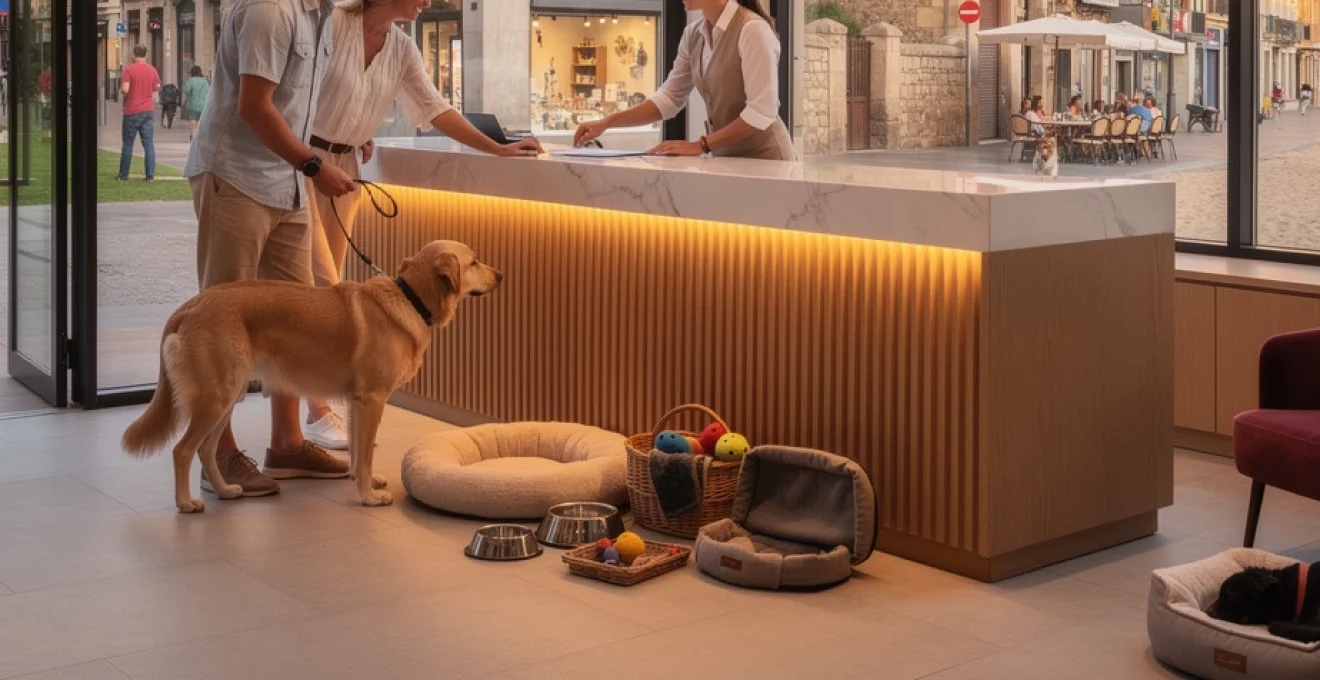
Barcelona stands as one of Europe’s most welcoming destinations for travellers accompanied by their canine companions. The Catalan capital has embraced pet-friendly tourism with remarkable enthusiasm, offering an extensive array of accommodation options that cater specifically to dog owners. From luxury hotels with dedicated pet concierge services to charming boutique establishments featuring dog beds and welcome treats, Barcelona’s hospitality sector has evolved to recognise that modern travellers increasingly view their pets as integral family members. This comprehensive approach to pet accommodation reflects the city’s broader cultural shift towards inclusive tourism, where four-legged visitors receive the same level of consideration as their human counterparts.
The city’s commitment to pet-friendly tourism extends beyond mere tolerance, encompassing a sophisticated understanding of what dog owners require during their stay. Barcelona’s accommodation providers have developed specialised services that address everything from dietary requirements to exercise needs, creating an environment where both pets and their owners can enjoy a stress-free holiday experience. This evolution has positioned Barcelona as a leading European destination for pet tourism, attracting visitors from across the continent who seek destinations that welcome their entire family.
Canine-friendly hotel classifications and accommodation standards in barcelona
The Barcelona accommodation landscape for pet owners encompasses a diverse spectrum of establishments, each offering distinct advantages and service levels. Understanding these classifications enables travellers to make informed decisions based on their specific requirements and budget considerations. The city’s pet-friendly accommodations have developed standardised approaches to canine hospitality, creating predictable service levels across different property categories.
Luxury Pet-Welcoming properties: hotel casa fuster and monument hotel
Barcelona’s luxury hotels have pioneered comprehensive pet programmes that rival those found in major international destinations. These establishments typically charge between €200-400 per night, with pet fees ranging from €25-50 per stay. Luxury properties often provide bespoke pet amenities including orthopedic dog beds, ceramic food and water bowls, and curated welcome packages featuring locally sourced treats. Many luxury hotels maintain partnerships with local veterinary clinics, offering 24-hour emergency contact services for guest peace of mind.
The service standards at these properties extend to dedicated pet concierge services, which can arrange dog walking, grooming appointments, and even pet photography sessions. Room configurations often include ground-floor accessibility and private terraces, particularly valuable for elderly dogs or those with mobility challenges. These establishments typically maintain maximum weight limits of 30-40 kilograms, though exceptions can sometimes be negotiated for well-behaved larger breeds.
Boutique establishments with dedicated dog amenities: cotton house and hotel neri
Barcelona’s boutique hotel sector has distinguished itself through creative approaches to pet accommodation. These properties, typically ranging from €150-300 per night, often occupy historic buildings that have been sensitively adapted to accommodate modern pet travel requirements. Boutique establishments frequently offer personalised service levels that larger hotels cannot match, including customised meal preparation for dogs with dietary restrictions and flexible check-in procedures that accommodate long-distance travel schedules.
Many boutique properties feature unique architectural elements such as internal courtyards or rooftop terraces that provide secure exercise areas for dogs. These spaces often incorporate water features and shade structures, creating comfortable environments for pets during Barcelona’s warmer months. The intimate scale of boutique hotels enables staff to develop personal relationships with returning guests and their pets, creating a home-away-from-home atmosphere that many dog owners particularly value.
Budget-conscious Dog-Friendly lodging: generator barcelona and TOC hotel
Barcelona’s budget accommodation sector has embraced pet-friendly policies with increasing sophistication, offering viable options for cost-conscious travellers. These establishments typically charge €80-150 per night, with pet fees usually ranging from €15-25 per stay. Budget properties often compensate for basic amenities through strategic location advantages, positioning themselves near major parks or dog-friendly beaches that provide excellent exercise opportunities.
The challenge for budget accommodations lies in balancing cost-effectiveness with adequate pet facilities. Many have addressed this through partnerships with local pet service providers, offering discounted rates for grooming, walking services, and veterinary care. Some properties have developed innovative solutions such as shared pet exercise areas or communal dog washing facilities that provide functionality without significant
capital expenditure. When evaluating budget-friendly, pet-friendly accommodations in Barcelona, you should pay close attention to room size, flooring type, and access to green spaces, as these elements often matter more than decorative extras. Many cost-conscious properties prioritise practical features such as easy-to-clean surfaces, nearby dog parks, and flexible check-in times for guests travelling long distances with pets.
Guests who choose these more economical options typically accept that certain luxuries—like in-room pet menus or on-site grooming—may not be available. However, the savings can be substantial, allowing you to allocate more of your budget to dog-friendly activities around the city, from coastal walks to park visits. For travellers planning short urban breaks or road trips, these hotels often represent the best balance between affordability and essential comfort for both humans and dogs.
Aparthotel solutions for extended stays with pets: citadines and suitehotel
For visitors planning an extended stay with their dog, aparthotels such as Citadines and Suitehotel provide a highly practical solution. These properties typically offer studios or one-bedroom apartments equipped with kitchenettes, larger living areas, and sometimes separate sleeping zones, which can be particularly beneficial for anxious or noise-sensitive dogs. Long-stay pet-friendly accommodations in Barcelona usually apply a per-stay or per-week pet fee, often between €40-80, which can prove more economical than nightly charges at traditional hotels.
The key advantage of aparthotel accommodation is the flexibility it affords pet owners. You can store specific dog food brands, prepare special diets, and maintain more consistent routines, which helps dogs acclimatise to a new urban environment. Many aparthotels are located in residential areas rather than heavily touristed zones, giving you easier access to local parks, quieter streets for late-night walks, and essential services such as veterinary clinics and pet supply stores.
Another important benefit lies in the layout of these pet-friendly apartments in Barcelona. Ground-floor or lower-level units may include small balconies or internal patios, offering safe outdoor space for brief breaks. Housekeeping schedules are often more flexible too, enabling you to arrange cleaning times around your pet’s habits. When reserving, it is advisable to request written confirmation of pet policies, including any restrictions on leaving dogs unattended and the maximum number or size of pets allowed per unit.
Barcelona district analysis for optimal pet accommodation selection
Selecting the right district is as crucial as choosing the right hotel when planning a pet-friendly stay in Barcelona. The city’s neighbourhoods vary significantly in terms of green space, traffic levels, noise, and access to dog-friendly facilities. Understanding how each barrio caters to dogs will help you identify the best location for your specific canine companion, whether you travel with an energetic puppy or an older dog needing calmer surroundings.
While central districts offer unbeatable access to major sights, they can also be busier and hotter during peak season, which may not suit all pets. In contrast, more residential areas provide quieter streets and larger parks but may require additional time on public transport. By analysing key neighbourhoods—Eixample, Gràcia, El Born, and Barceloneta—you can balance sightseeing convenience with your dog’s comfort and wellbeing, ensuring that daily walks, feeding routines, and rest periods remain manageable throughout your trip.
Eixample neighbourhood: proximity to parc de la ciutadella and veterinary services
The Eixample district is one of the most practical areas for booking pet-friendly accommodation in Barcelona. Characterised by its grid layout and wide, tree-lined avenues, it offers comparatively generous pavements, making it easier to navigate with a dog on leash. Many of the city’s most established pet-friendly hotels and aparthotels are located here, particularly near major thoroughfares such as Passeig de Gràcia and Gran Via. This central positioning places you within comfortable walking distance or a short metro ride from Parc de la Ciutadella, one of Barcelona’s most popular green lungs for dog owners.
Parc de la Ciutadella provides expansive lawns, shaded paths, and a generally relaxed atmosphere where local residents regularly walk their dogs, particularly in the early morning and evening. While dogs must remain leashed in most areas, the open spaces are ideal for gentle exercise and socialisation. Beyond recreation, Eixample also offers excellent access to veterinary services and specialised pet shops, with multiple clinics and 24-hour pharmacies spread throughout the district. This makes it an attractive choice if you are concerned about quick access to medical care or if your dog requires ongoing treatment during your stay.
Another advantage of Eixample is its balanced urban environment. Although it is a central district, it does not feel as congested as the areas immediately around La Rambla. Many streets have central pedestrian islands and dedicated crossing points, which can make daily walks safer and more predictable, especially for nervous or reactive dogs. However, traffic noise can still be significant on main avenues, so when choosing a pet-friendly hotel in Eixample, you may prefer interior-facing rooms or courtyard views for a quieter night’s rest.
Gràcia quarter: dog-friendly terraces and park güell access routes
For travellers seeking a more bohemian atmosphere, the Gràcia quarter offers an appealing blend of village charm and urban convenience. Narrow streets open onto intimate plazas where outdoor terraces abound, many of which welcome dogs. In practice, you will find that a large number of cafés and bars in Gràcia are used to canine customers, often providing water bowls as a matter of course. This makes the neighbourhood particularly attractive if you enjoy lingering over a coffee or dinner with your dog comfortably settled at your feet.
Gràcia’s location also provides relatively convenient access routes to Park Güell, one of Barcelona’s most iconic green spaces. While the monument zone has become more restrictive for pets in recent years, the forested areas and surrounding streets still offer excellent walking opportunities. Booking pet-friendly accommodation in Gràcia allows you to reach these paths on foot or via short taxi or bus rides, avoiding the steepest sections of the climb. For dogs accustomed to moderate exercise, these uphill walks can be a stimulating part of the daily routine, provided you avoid the hottest hours in summer.
It is worth noting that Gràcia’s streets are often cobbled and can be busy in the evenings, particularly during local festivals. Sound-sensitive dogs may find fireworks or live music unsettling, so checking local event calendars before you travel can be prudent. On the positive side, the quarter’s largely residential character means lower vehicle traffic compared with major avenues in Eixample. If your priority is a sociable, neighbourhood feel with abundant dog-friendly terraces rather than immediate proximity to the beach, Gràcia can be one of the best districts to stay with a dog in Barcelona.
El born district: medieval streets navigation and pet-accessible attractions
El Born, part of the Ciutat Vella (Old Town), is known for its medieval street pattern, historic buildings, and cultural venues. From a pet-travel perspective, its winding lanes offer plenty of visual interest but also certain challenges. The streets are often narrow and can become crowded, especially during evenings and weekends. When staying in a dog-friendly hotel in El Born, you will need to plan your walking routes carefully, perhaps opting for early-morning strolls when the area is quieter. For dogs who are comfortable around people and urban noise, however, the neighbourhood can be an engaging environment full of new scents and stimuli.
One of El Born’s key advantages is its proximity to Parc de la Ciutadella, accessible within a 10–15 minute walk from many accommodations. This provides a welcome contrast to the dense urban fabric of the district, allowing your dog to enjoy more open space several times a day if needed. Additionally, the waterfront and beaches are not far away, so you can combine cultural sightseeing with coastal walks on the same day. While most major attractions, such as the Picasso Museum and Santa Maria del Mar, do not admit dogs, their impressive exteriors can still be appreciated while your dog accompanies you.
Navigating El Born with a dog requires a certain level of spatial awareness. Delivery vehicles, bicycles, and scooters share the same tight streets as pedestrians, so it is advisable to keep your dog on a short leash and close to your side. On the other hand, the district’s numerous small squares and side alleys can function like pockets of calm where you can pause for a break. Many bars and restaurants with outdoor seating tolerate well-behaved dogs, particularly on terraces. If your dog is prone to anxiety in crowds, you might treat El Born as a daytime exploration zone while choosing a quieter residential area for overnight stays.
Barceloneta beachfront: coastal accommodation near platja del somorrostro dog beach
For visitors who prioritise sea air and daily beach walks, Barceloneta is the natural choice. This former fishing district has evolved into a lively beachfront area with a growing number of pet-friendly apartments and hotels. The long promenade is ideal for extended on-leash walks, and in the cooler months you will see many local residents walking their dogs along the sand. While official dog-access rules change seasonally, staying in Barceloneta places you close to designated areas such as Platja del Somorrostro and, further along the coast, Platja de Llevant’s fenced dog zone.
The main advantage of a beachside base is straightforward: you can integrate multiple short, stimulating walks into your daily routine with minimal effort. The sea breeze and wide-open views provide a refreshing contrast to the denser urban grid found inland. However, Barceloneta also tends to be one of the busiest neighbourhoods in peak season, with beachgoers, cyclists, and street vendors contributing to a constantly changing soundscape. If your dog is sensitive to noise or skateboards and scooters, you may prefer to visit the area during the day and sleep elsewhere.
When evaluating pet-friendly accommodation near Barcelona’s beaches, pay particular attention to building sound insulation and street orientation. Rooms facing interior courtyards or side streets are often quieter than those directly overlooking the promenade. You should also clarify local rules regarding rinsing sand off your dog; some properties provide outdoor taps or showers, while others ask guests to use nearby public facilities. As a general rule, keeping a lightweight towel and portable water container in your beach bag will help you manage salt and sand before returning to your room.
Essential canine accommodation booking protocols and documentation requirements
Securing pet-friendly accommodation in Barcelona involves more than simply ticking a “pets allowed” box during online booking. Each hotel, aparthotel, or guesthouse operates under its own detailed policy, which can include weight limits, breed restrictions, cleaning surcharges, and rules about leaving animals unattended. To avoid misunderstandings at check-in, it is essential to request written confirmation of all key conditions before you travel. This is especially important if you plan to stay during high-demand periods, when properties may enforce their rules more strictly.
From a documentation perspective, you should travel with your dog’s microchip registration, vaccination records, and proof of up-to-date rabies immunisation. For visitors from other EU countries, the EU Pet Passport remains the primary document, while travellers from outside the EU should carry equivalent veterinary certificates in English or Spanish. Some upmarket hotels may ask to see these documents during check-in, particularly if they provide access to shared spaces such as gardens or terraces. Having digital copies stored on your phone or cloud service adds an extra layer of security in case physical documents are misplaced.
When making a reservation, you can think of the process as similar to booking for a small child with special needs: the more information you provide in advance, the smoother your stay will be. Inform the property of your dog’s size, breed, and any particular behavioural characteristics, such as separation anxiety or fear of lifts. This allows staff to assign an appropriate room—perhaps on a lower floor, near an exit, or away from high-traffic corridors. You should also ask explicitly about housekeeping schedules and whether you are allowed to leave your dog in the room unattended, and if so, under what conditions.
Financially, pet fees in Barcelona accommodations vary widely, from complimentary stays in certain boutique hotels to nightly charges of €25 or more in luxury properties. Some establishments also request a refundable deposit to cover potential damage, which may be pre-authorised on your credit card. Clarifying these amounts in advance helps avoid surprises on your final bill. If you anticipate using external dog-walking or pet-sitting services, you may also wish to check whether hotel staff are willing to give temporary access to third-party providers, as building security protocols can affect how easily these professionals can collect and return your dog.
Barcelona municipal pet regulations and accommodation compliance standards
Barcelona’s municipal regulations regarding dogs are designed to balance animal welfare with public safety and cleanliness. As a guest in a pet-friendly hotel, you and your dog are expected to comply with these local rules just as residents do. Core requirements include keeping dogs leashed in public spaces (with some exceptions in designated dog parks), cleaning up all solid waste, and carrying water to rinse away urine on pavements or building facades. Hotels may remind you of these obligations during check-in and can apply internal sanctions if repeated complaints arise from other guests or neighbours.
Certain dog breeds classified as potentially dangerous under Spanish law are subject to additional rules, including mandatory muzzling in public spaces and the requirement for owners to hold a specific licence and liability insurance. If you travel with a large or powerful breed, you should verify whether your documentation meets Catalan and national standards before arrival. Some hotels may have stricter internal policies than the city itself, either limiting these breeds or imposing additional conditions such as ground-floor rooms only. Asking direct questions before you book is the best way to avoid last-minute refusals.
Noise control is another important aspect of regulatory compliance. While occasional barking is tolerated, persistent noise can result in complaints from other guests and, in extreme cases, intervention by local authorities. Accommodation providers in Barcelona often include noise clauses in their pet policies, reserving the right to terminate a stay if issues remain unresolved. To mitigate this risk, you might consider bringing familiar items such as your dog’s bed, blankets, or a white-noise machine to help them relax in an unfamiliar environment. Training your dog to remain calm when left alone, even for short periods, is particularly valuable before embarking on urban travel.
From an accommodation management perspective, compliance also involves hygiene standards and allergen control. Many hotels designate specific floors or room categories for guests with pets, facilitating more thorough cleaning procedures and minimising exposure for travellers with allergies. Some may restrict dogs from entering breakfast rooms, swimming pool areas, or spa facilities, except for certified assistance animals. While these rules can feel restrictive, they are part of the broader framework that allows Barcelona to maintain a wide range of pet-friendly properties while still meeting diverse guest expectations and regulatory requirements.
Specialized dog services and veterinary infrastructure near accommodation hubs
A key factor that distinguishes Barcelona from many other urban destinations is its well-developed ecosystem of pet services. Within a relatively compact area, you will find veterinary clinics, grooming salons, pet supply retailers, and professional dog walkers, many of whom are accustomed to working with international visitors. This infrastructure provides an important safety net: if your dog develops a minor health issue, needs a last-minute grooming appointment, or requires care while you attend a non-pet-friendly attraction, help is rarely far away. Understanding where these services are located relative to major accommodation hubs will help you plan more confidently.
Most established dog-friendly neighbourhoods—such as Eixample, Gràcia, and the beachfront areas—are particularly well served. Many professionals speak English in addition to Spanish and Catalan, making communication easier for international guests. You can think of this network as the equivalent of an extended hotel concierge team specifically for your dog: clinics provide medical support, walkers supply exercise and companionship, and retailers ensure you never run short of food or essential equipment. Before your trip, it is worth saving contact details and locations for at least one service in each main category, much like you would note emergency numbers or embassy information when travelling abroad.
24-hour emergency veterinary clinics: hospital veterinari molins and anicura
Although no one anticipates needing emergency veterinary care during a holiday, having this information at hand can significantly reduce stress should an incident occur. Several 24-hour veterinary hospitals serve the wider Barcelona area, including well-regarded providers such as Hospital Veterinari Molins and various AniCura centres. While some of these facilities are located slightly outside the city centre, they are accessible by taxi or private vehicle, and staff are accustomed to treating both local and visiting animals. In urgent cases, time is of the essence, so knowing the nearest option to your accommodation can be invaluable.
Within the central districts, numerous smaller clinics operate extended hours on weekdays and offer on-call emergency services at night or on weekends. Many hotels maintain updated lists of nearby veterinarians and can assist with calling ahead to explain your situation in Spanish or Catalan if needed. When you check into your pet-friendly hotel in Barcelona, you may wish to ask the front desk for the name and address of their preferred veterinary partner and store these details in your phone. Think of this step as the canine equivalent of noting the nearest hospital or urgent care facility for yourself.
Insurance considerations also play a role. If your dog is covered by international pet health insurance, you should verify in advance how emergency treatments in Spain are reimbursed—whether through direct billing or later claim submission. Most clinics will provide detailed invoices in Spanish, which you can supplement with your own notes in English describing the incident and treatment. While serious emergencies are thankfully rare, this level of preparation allows you to respond calmly and efficiently, focusing on your dog’s recovery rather than logistical complications.
Professional dog walking services: doggy walker barcelona and pet sitter barcelona
Professional dog walkers and pet sitters can be a valuable resource if you wish to visit museums, dine in non-dog-friendly venues, or attend events where pets are not permitted. Services such as Doggy Walker Barcelona and Pet Sitter Barcelona specialise in urban dog care, offering everything from 30-minute walks to full-day companionship. Many operate on a flexible basis, allowing you to book one-off sessions or multiple days, depending on your itinerary. When evaluated against the overall cost of a city break, these services often represent good value, especially if they enable you to enjoy experiences that would otherwise be off-limits.
Before hiring a dog walker in Barcelona, you should verify their credentials, insurance coverage, and familiarity with your dog’s breed and temperament. Reputable providers are usually happy to schedule an introductory meeting—either in your hotel lobby or in a nearby park—so your dog can get to know them in a low-pressure setting. Think of this as a trial run: if your dog appears comfortable and the walker asks informed questions about routines, commands, and health issues, you can book subsequent sessions with greater confidence. Language skills may also be relevant; if you do not speak Spanish, choosing a walker who communicates well in English will reduce the risk of misunderstandings.
Coordination with your accommodation is another important piece of the puzzle. Some hotels are accustomed to hosting external service providers and have clear procedures for granting them temporary access, while others may require you to be present when your dog is collected and returned. Clarify these arrangements with the front desk and, if necessary, introduce the walker to staff during the first appointment. By treating this three-way relationship—hotel, service provider, and owner—as a small team effort, you can ensure that your dog receives consistent, reliable care throughout your stay.
Pet supply retailers: kiwoko stores and tiendanimal locations
Even if you travel with a well-stocked bag, it is reassuring to know that you can easily replenish dog food, treats, or accessories once in Barcelona. Large pet retail chains such as Kiwoko and Tiendanimal operate several stores in and around the city, often located in or near major shopping centres. These outlets carry a wide range of international and local brands, including specialised diets for dogs with allergies or medical conditions. If your dog eats a particular premium food that is widely distributed in Europe, there is a good chance you will find it in one of these stores.
Beyond food, these retailers also supply practical items that can make urban travel smoother: collapsible water bowls, cooling mats for summer heat, reflective harnesses for evening walks, and muzzles that comply with Spanish regulations if required. Visiting a pet store early in your trip can be a smart move, allowing you to adapt to local conditions—perhaps by purchasing a lighter lead for hot days or dog-safe sunscreen for sensitive noses. Many shops are dog-friendly themselves, so your pet can accompany you inside and even participate in choosing new toys or treats.
In addition to large chains, numerous independent pet boutiques operate in central districts such as Eixample, Gràcia, and El Born. These smaller shops often offer more personalised advice and curated product selections, focusing on high-quality nutrition and ethically sourced accessories. Prices may be slightly higher than in big-box stores, but the expertise and unique items can be worth the premium, particularly if you are looking for specialised gear. As with any urban shopping, it is sensible to check opening hours in advance, as some retailers close for a midday break or operate reduced hours on Sundays.
Canine grooming facilities: dog’s beauty salon and peluquería canina
Grooming services can be especially useful during longer stays, summer visits, or beach-focused holidays when dogs may accumulate sand, salt, or urban dust more quickly than usual. Dedicated facilities such as Dog’s Beauty Salon and various peluquería canina (dog grooming) studios around the city offer everything from basic washes to full styling services. Many groomers are experienced in handling a range of coat types, from double-coated Nordic breeds to long-haired toy dogs, and can provide recommendations tailored to Barcelona’s climate and your planned activities.
Booking an appointment in advance is advisable, particularly if you visit during peak tourist season or around public holidays. When making a reservation, you should specify your dog’s breed, size, and any behavioural concerns, such as fear of dryers or previous negative experiences. This allows the groomer to allocate sufficient time and, if necessary, schedule the appointment at a quieter hour. For nervous dogs, you might request a simple wash and brush-out as a first step, building trust before attempting more involved grooming tasks like trimming or de-matting.
Some grooming salons also offer self-service wash stations, which can be an economical and practical option if you simply want to rinse off beach sand or park mud. These facilities typically provide raised tubs, non-slip mats, and professional dryers, making the process quicker and more comfortable than using a hotel bathroom. As always, check with your accommodation before bathing your dog in the room, as many properties prefer that guests use external facilities to avoid drain blockages or damage. By integrating grooming into your travel plans, you help keep your dog comfortable and your temporary living space clean, enhancing the experience for everyone involved.
Transportation logistics for pet-accompanied barcelona accommodation access
Planning how you and your dog will move between the airport, train station, and your chosen accommodation is a crucial component of a smooth trip. Barcelona’s transport network is relatively pet-friendly, but specific rules apply depending on the mode of travel and your dog’s size. On the metro, small dogs in carriers can travel at any time, while larger dogs are allowed outside peak hours and must wear a muzzle and be kept on a short leash. As you map out your route from arrival point to hotel, consider not only the number of line changes but also the likely crowd levels at different times of day.
Taxis and ride-hailing services offer a more direct and often less stressful option, especially after a long journey. Many drivers accept dogs, particularly if they are secured in a carrier or wear a harness attached to a seat belt, but it is courteous to confirm this before boarding. You might think of a private transfer as similar to booking extra legroom on a flight: while not strictly necessary, it can significantly improve comfort for both you and your pet. Some specialised pet transport companies even operate in the region, providing vehicles equipped with protective covers and space for larger crates.
If you arrive in Barcelona by train, you will encounter a slightly different set of rules. On commuter services (Rodalies/Cercanías), dogs of all sizes are generally permitted, though larger animals must be leashed and, in some cases, muzzled. Long-distance trains often restrict pets to small dogs under a certain weight, travelling in carriers with advance reservations and separate pet tickets. Before your journey, you should verify the latest policies of your chosen rail operator, as regulations can change and may differ between routes. Carrying printed or digital copies of relevant rules can occasionally help resolve misunderstandings with staff.
Within the city, your daily movements between hotel and attractions will likely involve a mix of walking and public transport. When choosing a pet-friendly hotel in Barcelona, pay attention to its proximity to metro stations and green spaces, which can simplify your routines. As a general strategy, aim to schedule your longest journeys for cooler parts of the day, particularly between June and September when pavements can become hot enough to discomfort your dog’s paws. By viewing transportation planning as an integral part of your accommodation choice, rather than a separate afterthought, you create a more coherent, dog-centred travel experience from arrival to departure.