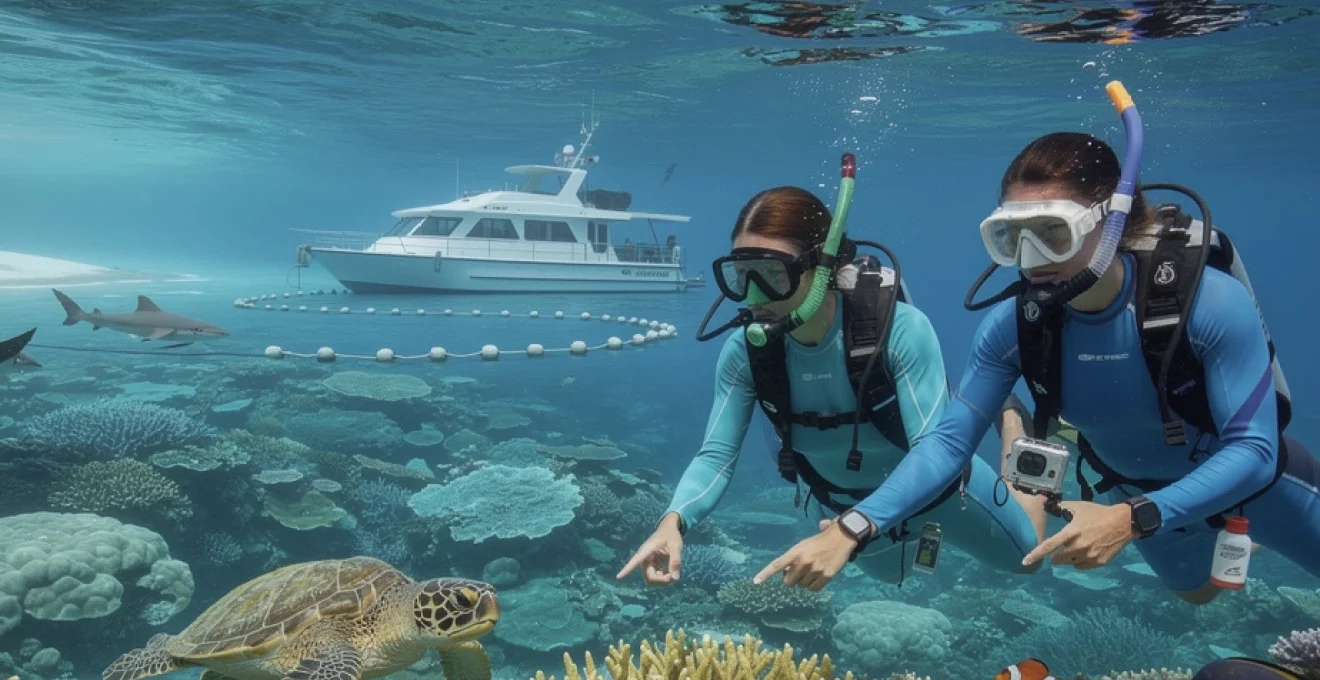
The Great Barrier Reef represents one of Earth’s most extraordinary natural wonders, stretching over 2,300 kilometres along Australia’s northeastern coastline. This UNESCO World Heritage site encompasses approximately 2,900 individual reefs and 900 islands, creating the world’s largest coral reef ecosystem. For snorkelers, the reef offers an unparalleled opportunity to witness vibrant marine biodiversity firsthand, from intricate coral formations to an astonishing array of tropical fish species. With over 1,500 fish species, 411 hard coral varieties, and six of the world’s seven marine turtle species calling these waters home, understanding the practical considerations for snorkeling here becomes essential for anyone planning this bucket-list experience.
Understanding marine park zoning systems at the great barrier reef
The Great Barrier Reef Marine Park operates under a sophisticated zoning system designed to balance conservation with public access. This framework, established by the Great Barrier Reef Marine Park Authority, divides the reef into distinct zones, each with specific regulations governing human activities. The zoning plan serves as a critical management tool, ensuring that approximately 33% of the reef remains under the highest level of protection whilst still providing access to snorkelers and other visitors across designated areas.
Green zone regulations for snorkelling activities
Green Zones, officially designated as Marine National Park Zones, represent the most protected areas within the reef system. These zones prohibit all extractive activities, including fishing and collecting, whilst permitting low-impact recreational pursuits such as snorkeling. Within Green Zones, you must adhere to strict guidelines: maintaining distance from wildlife, avoiding contact with coral structures, and refraining from feeding marine animals. Approximately 115,000 square kilometres of the Marine Park falls under Green Zone classification, providing crucial refuge areas where marine ecosystems can thrive with minimal human interference.
Permitted access areas: cairns, port douglas and whitsunday islands
The three primary gateway regions to the Great Barrier Reef each offer distinct access points with varying zoning classifications. Cairns serves as the most popular departure hub, with operators accessing sites including Moore Reef, Saxon Reef, and Norman Reef, predominantly within General Use and Habitat Protection zones. Port Douglas provides access to premium outer reef locations like Agincourt Reef, where multiple ribbon reefs offer exceptional snorkeling conditions. The Whitsunday Islands region presents unique opportunities, combining island-based fringing reefs with outer reef destinations such as Hardy Reef. Each region maintains specific moorings and designated snorkeling areas to minimize environmental impact whilst maximising visitor experiences.
Marine park authority permits and operator licensing requirements
Commercial tour operators conducting snorkeling activities within the Marine Park must obtain permits from the Great Barrier Reef Marine Park Authority. These permits stipulate vessel numbers, passenger limits, approved moorings, and operational protocols. The Environmental Management Charge, currently set at AUD$7 per day for visitors over four years old, funds research, education, and conservation initiatives. Licensed operators undergo regular compliance audits and must demonstrate adherence to best practice environmental standards. This regulatory framework ensures that tourism activities remain sustainable whilst maintaining high safety standards for participants.
Seasonal closures and protected breeding grounds
Certain reef sections experience temporary closures during critical breeding periods, particularly affecting areas important for turtle nesting or coral spawning events. Between November and March, some island beaches become restricted zones to protect nesting marine turtles. Coral spawning, typically occurring in November following full moons, may result in temporary access limitations at specific sites. These seasonal restrictions, whilst occasionally inconvenient, prove essential for maintaining the reef’s ecological integrity. Tour operators receive advance notification of closures and adjust itineraries accordingly, ensuring you still experience exceptional snorkeling opportunities regardless of seasonal variations.
Essential snorkelling equipment for tropical reef environments
Selecting appropriate snorkeling equipment significantly influences both safety and enjoyment during your Great Barrier Reef experience. The tropical conditions, combined with specific environmental considerations unique to this ecosystem, require careful equipment choices. Understanding the distinctions between various gear options helps you make informed decisions that enhance comfort whilst ensuring adequate protection.
Full-face masks versus traditional
Full-face masks versus traditional snorkel systems
Full-face snorkel masks have become popular on tropical holidays, but they are not always the best option for snorkeling on the Great Barrier Reef. Traditional mask-and-snorkel sets generally offer better fit customisation, easier clearing if water enters, and more precise control over equalisation when you duck-dive. Many professional guides and marine operators still prefer traditional systems because they allow you to swap or adjust individual components quickly if something is uncomfortable or not sealing correctly.
Full-face masks can feel more natural for some beginners because you can breathe through both your nose and mouth, yet they also cover a larger area of your face and can trap more air. In warm tropical water, this can increase fogging and, in rare cases, discomfort if you exert yourself. If you do choose a full-face mask for snorkeling in the Great Barrier Reef, ensure it is from a reputable manufacturer, correctly sized, and features separate breathing and viewing chambers to reduce CO2 buildup. Regardless of which style you select, spend time practicing in shallow water or a pool before heading out to the reef so you feel relaxed and in control.
Lycra stinger suits for jellyfish protection
In northern Queensland, “stinger season” typically runs from November to May, when box jellyfish and Irukandji may be present in coastal waters. While the risk is generally lower offshore on the outer reef than near beaches and estuaries, operators still strongly recommend (and often require) that you wear a full-length lycra stinger suit. These lightweight suits provide a physical barrier against most jellyfish tentacles, as well as extra protection from sunburn and minor abrasions from accidental coral contact.
Unlike thicker neoprene wetsuits, lycra stinger suits are designed for warm tropical water and do not significantly increase buoyancy or cause overheating. Many Great Barrier Reef tour boats include stinger suit hire in the trip cost, but you can also bring your own if you plan to snorkel multiple days. For best comfort, choose a snug but not restrictive fit and ensure the suit covers your arms, legs, and trunk, with thumb loops or stirrups if available to prevent sleeves and legs from riding up. You will still need to apply sunscreen to exposed areas such as your face, hands, and feet if they are not covered by gloves or booties.
Reef-safe sunscreen formulations and chemical restrictions
Protecting your skin from the intense Queensland sun is essential, but so is protecting the reef from harmful sunscreen ingredients. Increasing scientific evidence suggests that some common UV filters, such as oxybenzone (benzophenone-3) and octinoxate, can contribute to coral stress and bleaching even at very low concentrations. In response, several tropical destinations worldwide have moved to limit or ban sunscreens containing these chemicals, and many Great Barrier Reef operators now actively encourage the use of “reef-safe” formulations.
When selecting sunscreen for snorkeling in the Great Barrier Reef, look for broad-spectrum, water-resistant products that use mineral filters like non-nano zinc oxide or titanium dioxide. These physical blockers sit on top of the skin and reflect UV rays rather than being absorbed, and they are generally considered less damaging to marine life when properly formulated. Apply sunscreen at least 20 minutes before entering the water to reduce wash-off, and remember that clothing is still your most effective form of sun protection. Long-sleeved rash vests, stinger suits, wide-brimmed hats on the boat, and polarized sunglasses all help reduce reliance on heavy sunscreen use.
Underwater camera specifications for coral photography
If you plan to photograph your snorkeling experience, choosing the right underwater camera equipment will make a significant difference to your results. Tropical reef environments present challenging lighting conditions: bright surface glare, strong contrast, and rapid colour loss with depth. Action cameras like GoPros or compact “tough” cameras with built-in waterproofing are ideal for most snorkelers, as they are lightweight, easy to handle with one hand, and often rated to depths of 10–15 metres without an additional housing.
Look for cameras that offer at least 4K video recording and a wide-angle lens (around 120–170 degrees) to capture broad coral scenes and passing turtles without needing to swim too close. A floating hand grip or wrist strap is highly recommended; dropping a camera on the reef is both a financial loss for you and a potential impact hazard for the coral. Because water rapidly filters out reds and oranges, consider using a shallow-water red filter or a camera mode specifically designed for underwater scenes to restore more natural colours. Remember that the best coral photography on the Great Barrier Reef comes from patience and gentle positioning rather than chasing animals or hovering directly above delicate structures.
Optimal snorkelling locations along the 2,300km reef system
With such an immense area to choose from, deciding where to snorkel on the Great Barrier Reef can feel a bit like choosing a single book from a vast library. Different regions along the 2,300-kilometre system offer distinct conditions, access options, and signature experiences. Water temperature, visibility, and reef type all vary as you move from the northern Ribbon Reefs down to the southern coral cays near Bundaberg and Gladstone.
When planning your snorkeling itinerary, it helps to think in terms of “outer reef platforms” versus “fringing reefs” around islands. Outer reefs, typically reached by high-speed catamaran from Cairns or Port Douglas, tend to have clearer water and dramatic drop-offs, making them excellent for spotting pelagic species and large coral bommies. Island-based fringing reefs, common around the Whitsundays and southern access points, usually offer easier shore entry, shallow lagoons, and calmer conditions ideal for beginners or families with younger children.
Agincourt reef and ribbon reefs near port douglas
Agincourt Reef, located on the outer edge of the continental shelf northeast of Port Douglas, is widely regarded as one of the premier snorkeling areas on the Great Barrier Reef. This series of ribbon reefs benefits from clear oceanic water flushing across its walls and bommies, producing consistently good visibility and vibrant coral growth. Many Port Douglas operators maintain dedicated moorings here, with sheltered lagoons and shallow coral gardens well suited to first-time snorkelers and more experienced visitors alike.
Further north, the Ribbon Reefs (numbered Ribbon Reef 3 to 10) are typically accessed via multi-day liveaboard trips departing from Cairns or Port Douglas. While these itineraries cater more to divers, snorkelers can still enjoy exceptional conditions along sheltered reef flats and the tops of coral walls. It is not unusual to encounter green turtles, giant clams, and large schools of fusiliers in these areas, especially around cleaning stations where fish congregate. If you are seeking “hero” reef scenes with big visibility and healthy coral cover, the Agincourt and Ribbon region should be high on your list.
Hardy reef and heart reef in the whitsundays
The Whitsunday Islands offer a very different snorkeling experience from the far north, combining lush continental islands with fringing reefs and nearby outer reefs like Hardy Reef. Access is typically via Airlie Beach or Hamilton Island, with tour operators running day trips to permanently moored pontoons at Hardy Reef. From these platforms, you can step directly into relatively sheltered water, explore coral gardens, and use semi-submersible vessels or underwater observatories if you prefer to stay dry between snorkel sessions.
Nearby Heart Reef has become an icon of the region thanks to its distinctive heart-shaped coral formation, often featured in scenic flight photography. While overflights provide the best view of this particular structure, snorkeling Hardy Reef itself reveals impressive plate coral formations, soft corals, and abundant reef fish. Compared with the outer reef off Cairns and Port Douglas, the Whitsundays can offer slightly cooler water in winter and slightly less dramatic walls, but the combined appeal of white-sand beaches, sailing, and accessible snorkeling makes this area ideal for mixed-interest groups and families.
Lady elliot island and heron island southern access points
At the southern end of the Great Barrier Reef, Lady Elliot Island and Heron Island provide some of the best “walk-in” snorkeling opportunities on the entire system. These coral cays sit close to the edge of the continental shelf and are renowned for their clear water and high densities of manta rays, turtles, and schooling fish. Because you stay on the island rather than taking a day boat, you can time your snorkeling sessions for optimal conditions—early morning or late afternoon often offers calmer water and softer light for photography.
Lady Elliot Island, in particular, is designated as an eco-resort with strict limits on visitor numbers and strong conservation practices, making it a favourite among marine biologists and underwater photographers. Heron Island, accessible from Gladstone, offers sheltered lagoons, extensive seagrass beds that attract turtles, and easy snorkel access straight off the beach at high tide. If you prefer a more immersive, multi-day reef experience with minimal travel once you arrive, these southern islands are an excellent alternative to day trips from the mainland.
Michaelmas cay and hastings reef day trip destinations
From Cairns, two classic snorkel destinations illustrate the variety of experiences available: Michaelmas Cay and Hastings Reef. Michaelmas Cay is a small sand cay and significant seabird nesting site, surrounded by shallow, protected reef flats that make it ideal for less confident swimmers. You can often stand or float in waist-deep water while observing reef fish and soft corals, and the presence of thousands of terns and noddies overhead adds a unique wildlife dimension to the day.
Hastings Reef, by contrast, is an outer reef location offering deeper bommies, swim-throughs, and broader coral diversity. Snorkeling here usually involves entering from the back of a vessel, then finning across deeper blue water to reach the main reef structures, a thrilling transition for many visitors. Water clarity at Hastings can be excellent on calm days, and you may encounter everything from curious batfish near the boat to colourful parrotfish grazing noisily on the coral. Choosing between a cay-based trip and an outer reef platform is a bit like choosing between a quiet lagoon and an open-air gallery—both showcase the reef, but in different ways.
Marine species identification and interaction protocols
Understanding what you are looking at beneath the surface can transform a pleasant swim into a genuinely educational experience. The Great Barrier Reef hosts an intricate “reef city” where each coral colony and fish species plays a specific role, much like residents in a bustling town. Learning a few key identification tips before you snorkel allows you to recognise common corals and fish, appreciate their behaviour, and interact responsibly.
Many tour operators provide waterproof ID slates or short briefings about expected sightings at each site. You might be surprised how quickly you start to distinguish parrotfish from wrasse, or plate coral from staghorn formations, once you know what to look for. Just as importantly, understanding basic interaction protocols—where to position yourself, how close is too close, and why you should never touch coral—helps protect both you and the fragile ecosystem you have come to enjoy.
Coral taxonomy: staghorn, brain and plate coral formations
Corals are tiny animals called polyps that live in colonies, secreting calcium carbonate skeletons that build the reef over thousands of years. From a snorkeler’s perspective, the easiest way to differentiate coral types is by their growth form: branching, massive, or plating. Staghorn corals, for example, are branching corals that form dense thickets of slender “antlers”, providing important habitat for small reef fish and invertebrates. These structures are beautiful but also fragile; a single misplaced fin kick can break years of growth.
Brain corals are massive, mound-shaped colonies with surface ridges resembling the folds of a human brain. They are generally more resistant to wave action and can live for centuries, acting as long-term “archives” of environmental change. Plate corals, on the other hand, grow in broad horizontal layers or overlapping whorls that capture sunlight efficiently in deeper or more turbid water. When snorkeling the Great Barrier Reef, you will often see a mosaic of these forms clustered together, creating a three-dimensional habitat that supports astonishing biodiversity. Remember that all hard corals are living organisms; treat them as you would a delicate sculpture in a museum—admire from a short distance, but never touch.
Endemic fish species: maori wrasse, clownfish and parrotfish
Several fish species have become unofficial ambassadors for snorkeling in the Great Barrier Reef. One of the most iconic is the humphead Maori wrasse, a large, often curious fish with a prominent forehead bump and striking blue-green coloration. Some individuals, especially at sites visited frequently by boats, may approach snorkelers quite closely, observing you as intently as you observe them. Despite their size, Maori wrasse are generally gentle, but it remains important not to attempt to touch or feed them.
Clownfish—popularised worldwide by animated films—are another favourite encounter. These small, orange-and-white fish live in symbiosis with sea anemones, which provide them protection via stinging tentacles that the clownfish are immune to. When you spot an anemone, look for the quick darting movements of its resident clownfish, but resist the temptation to reach out; disturbing the anemone can stress both partners. Parrotfish, easily recognised by their beak-like mouths and vivid colours, play a crucial role in reef health by grazing on algae and dead coral, effectively “mowing the lawn” of the reef. As they feed, they can be surprisingly noisy, scraping the substrate and occasionally releasing fine sand—a reminder that many tropical beaches ultimately owe their existence to parrotfish digestion.
Sea turtle encounter guidelines: green and hawksbill species
Green turtles and hawksbill turtles are among the most cherished sightings for snorkelers on the Great Barrier Reef. These reptiles often appear calm and unhurried, gliding between seagrass beds, coral bommies, and cleaning stations. Because they must surface to breathe, it can be tempting to swim alongside them or block their path for a closer photo. However, doing so can cause unnecessary stress, and in some cases may be considered harassment under marine park regulations.
Best practice guidelines recommend keeping at least an arm’s length—preferably several metres—between you and any turtle, giving it plenty of space to manoeuvre and surface. Approach from the side rather than from above or behind, move slowly, and avoid flash photography, which can startle wildlife. If a turtle chooses to approach you out of curiosity, enjoy the moment but remain passive; think of yourself as a guest in its home rather than a director staging a scene. By respecting these simple rules, you increase the likelihood that future visitors will enjoy similarly relaxed encounters.
Manta ray and reef shark safe observation distances
Seeing a manta ray or reef shark while snorkeling in the Great Barrier Reef is often a highlight for more adventurous visitors. Manta rays, with wingspans that can exceed three metres in some areas, are gentle filter feeders that pose no threat to humans. They often circle cleaning stations or glide gracefully along reef edges, and the recommended approach is to remain calm, stay low in the water, and let them pass. Keeping at least three to four metres away and avoiding attempts to touch their cephalic fins or tails ensures they continue natural behaviour.
Reef sharks, such as blacktip and whitetip reef sharks, are common throughout the marine park and are generally wary of people. Most sightings involve a quick glimpse as they cruise the reef edge and then disappear into deeper water. For your safety and theirs, maintain a similar three- to four-metre buffer, avoid sudden chasing movements, and never attempt to corner or feed them. Think of sharks and rays as the “big wildlife” of the reef—akin to seeing deer or dolphins in other environments—fascinating to observe from a respectful distance without interfering in their routine.
Coral bleaching impacts and reef health assessment
In recent years, coral bleaching on the Great Barrier Reef has received extensive media coverage, leading some travellers to wonder whether the reef is still worth visiting. Coral bleaching occurs when corals, stressed by elevated sea temperatures, pollution, or other factors, expel the symbiotic algae (zooxanthellae) that provide them with both colour and much of their energy. Bleached corals appear white or pastel, and while bleaching does not always result in coral death, repeated or severe events can significantly reduce reef resilience. Large-scale bleaching episodes were recorded in 2016, 2017, 2020 and subsequent summers, with impacts varying greatly between regions.
However, the reality in the water is nuanced. Many sections of the Great Barrier Reef remain vibrant, and even areas that experienced bleaching may show signs of recovery, including regrowth of surviving colonies and settlement of new coral recruits. When you snorkel, you are effectively conducting your own informal “reef health assessment”: you might notice patches of bright, healthy coral alongside areas of rubble or algae-covered skeletons. This mosaic reflects both natural disturbance (such as cyclones) and human-driven change. By choosing eco-certified operators, following “no touch” guidelines, and minimising your own carbon footprint, you contribute in a small but meaningful way to the reef’s long-term future. For many visitors, witnessing both the beauty and vulnerability of the Great Barrier Reef serves as a powerful reminder of why global climate action and local conservation efforts are so important.
Weather patterns, visibility conditions and peak snorkelling seasons
Weather and sea conditions strongly influence the quality of your snorkeling experience, from surface comfort to underwater visibility. The Great Barrier Reef lies in a tropical to subtropical climate zone, with a warm, humid wet season (roughly November to April) and a cooler, drier season (May to October). Water temperatures typically range from around 23°C in winter to 29°C in summer, warm enough for most people to snorkel comfortably year-round. However, summer also brings a higher chance of tropical storms, stronger winds, and freshwater runoff from heavy rains, all of which can reduce visibility, particularly near the coast.
For consistently clear water and calmer seas, many operators recommend visiting during the dry season, especially between June and October. During these months, trade winds can still produce chop on some days, but rainfall is lower and offshore visibility often reaches 15–25 metres or more. Winter is also prime time for humpback whale migration along the Queensland coast, adding the possibility of surface sightings or distant whale song while you snorkel. That said, shoulder seasons—April–May and September–November—can offer an appealing balance of warm water, manageable humidity, and slightly fewer visitors.
On any given day, local weather forecasts, wind direction, and swell height will determine which reef sites are chosen by operators from Cairns, Port Douglas, and the Whitsundays. Skippers and marine guides review conditions each morning and select locations that provide the best combination of shelter, visibility, and wildlife opportunities. If you are especially concerned about seasickness or wave action, ask your chosen operator which vessels have the best stability and whether they can recommend calmer itineraries. By remaining flexible with your expectations and understanding how weather patterns shape reef conditions, you give yourself the best chance of enjoying safe, rewarding snorkeling in the Great Barrier Reef, whatever time of year you choose to visit.