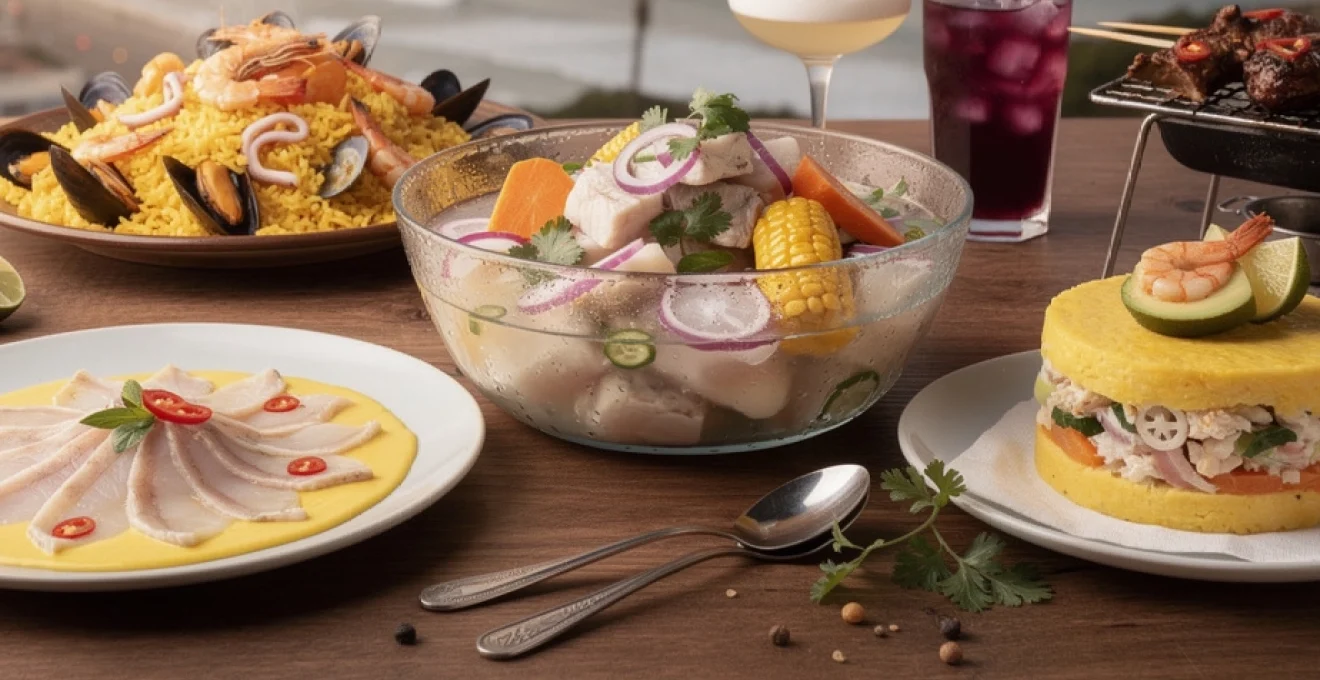
Peru’s coastal gastronomy represents one of the world’s most distinctive culinary traditions, where the Pacific Ocean’s bounty meets centuries of cultural fusion. The country’s cevicherías and seafood restaurants have transformed what was once humble fishermen’s fare into internationally acclaimed dishes that showcase the complexity and vibrancy of Peruvian ingredients. From the tangy, citrus-soaked fish of traditional ceviche to the sophisticated knife-work of Japanese-influenced tiradito, Peru’s coastal cuisine offers an exploration of flavours that cannot be replicated anywhere else on the planet. The secret lies not just in technique, but in the unique ingredients—particularly the limón criollo and ají peppers—that give these dishes their unmistakable character.
Ceviche: peru’s national dish and coastal culinary icon
Declared Cultural Heritage of the Nation in 2004, ceviche stands as Peru’s most recognisable culinary export and a source of immense national pride. This seemingly simple preparation—raw fish transformed by citrus juice—actually represents a sophisticated understanding of how acidity affects protein structure and flavour development. When you bite into properly prepared ceviche, you’re experiencing a dish that balances multiple sensory elements: the firm yet tender texture of the fish, the sharp bite of red onion, the warming heat of ají peppers, and the bright acidity that ties everything together. The dish is so central to Peruvian identity that since 2008, the country has celebrated National Ceviche Day every 28th of June, with cevicherías across the nation offering special preparations and promotions.
What distinguishes Peruvian ceviche from variations found in Ecuador, Mexico, or other Latin American countries is its commitment to freshness and its distinctive ingredient profile. Peruvian ceviche is never left to marinate for hours; instead, the fish is “cooked” by the citrus juice for merely two to five minutes before serving. This brief curing time preserves the fish’s natural texture whilst allowing the lime juice to work its chemical magic, denaturing the proteins on the surface whilst keeping the interior delicate. The result is a texture that’s neither raw nor cooked in the traditional sense, but something entirely unique to this preparation method.
Traditional peruvian ceviche preparation with leche de tigre marinade
The heart of any exceptional ceviche is the leche de tigre, literally “tiger’s milk”—the intensely flavoured marinade that bathes the fish. This citrus-based liquid is far more than squeezed lime juice; it’s a carefully balanced amalgamation of fish stock, ají pepper juice, garlic, salt, and sometimes a touch of ginger or celery. Skilled ceviche chefs often prepare their leche de tigre by blending a small portion of fish with the lime juice and other ingredients, creating a cloudy, protein-rich base that clings to each piece of seafood. When you visit a top-tier cevichería, you’ll often find leche de tigre served as a standalone drink, believed to have restorative properties and served in shot glasses as an appetite stimulant or even a hangover cure.
The preparation technique requires precision and respect for the ingredients. The fish must be cut into uniform pieces—typically around two centimetres square—to ensure even exposure to the acidic marinade. The red onion, a non-negotiable component of Peruvian ceviche, is sliced into distinctive plumas (long, thin arcs) and often briefly soaked in cold water to remove some of its harsh bite whilst maintaining its crunch. The ají limo or ají amarillo is finely minced to distribute heat evenly throughout the dish. Each element is combined moments before serving, ensuring that the fish maintains its optimal texture and the onions retain their characteristic snap.
Regional variations: ceviche limeño versus ceviche norteño styles
Whilst ceviche is enjoyed throughout Peru’s extensive coastline, distinct regional styles have emerged that reflect local preferences and available ingredients. Ceviche limeño, the Lima-style preparation, tends to be more refined and minimalist, focusing on the pure flavour of
lenguado (sole) and the sharp, clean acidity of freshly squeezed limón criollo. Portions are often smaller and plated with an eye for balance, with just enough leche de tigre to coat the fish rather than drown it. In Lima, chefs tend to favour a whiter, almost milky marinade, created by blending a little fish with the citrus, which gives ceviche limeño its characteristic body and depth of flavour.
Travel north to Piura, Chiclayo or Trujillo and you will encounter ceviche norteño, a bolder, often more rustic expression of the same idea. Here, the marinade can be slightly less acidic and sometimes incorporates chicha de jora (fermented corn beer) or a touch of oil, reflecting local tastes and agricultural products. Ceviche norteño is also more likely to be served with a generous helping of zarandaja beans, fried yuca or cancha (toasted corn), making it a heartier plate that feels almost like a full meal rather than a light starter.
Another difference you will notice between ceviche limeño and ceviche norteño lies in their level of heat and aromatics. In the north, ají amarillo and ají mochero can be used more liberally, creating a spicier profile than the often more restrained Lima versions. Coriander (cilantro) might also be chopped more coarsely and scattered across the dish, giving ceviche norteño a more herbaceous character. If you are planning a coastal road trip, tasting both styles side by side is one of the most rewarding ways to understand the diversity of Peruvian ceviche.
Essential ingredients: ají limo, choclo maize, and camote sweet potato
Despite regional differences, certain ingredients are so central to Peruvian ceviche that they have become almost symbolic. Chief among these is ají limo, the small, brightly coloured chilli pepper that delivers both fragrance and fire. Unlike some chillies that offer heat without much aroma, ají limo contributes floral and citrus notes that echo the perfume of the lime juice. When minced finely and distributed through the leche de tigre, it creates a layered spiciness that builds gradually with each bite rather than overwhelming your palate at once.
Alongside the fish and marinade, two classic accompaniments complete the ceviche experience: choclo and camote. Choclo is a variety of Andean corn with gigantic, pale kernels and a starchy, almost chestnut-like texture. It is usually boiled and served on the side, providing a gentle, slightly sweet contrast to the sharp acidity of the ceviche. Camote, or Peruvian sweet potato, is likewise boiled or steamed until tender, then sliced into thick rounds. Its natural sweetness works like a built-in palate cleanser, tempering the chilli heat and citrus in much the same way that sugar balances acidity in a well-made cocktail.
The interplay of these elements—spicy ají limo, firm choclo and silky camote—illustrates how Peruvian cooks think about balance. Ceviche is not just about marinated fish; it is a study in texture and contrast, where each component plays a specific role. Imagine a symphony where the lime is the brass section, loud and bright, while choclo and camote provide the steady rhythm section in the background. When you assemble a forkful that includes fish, onion, choclo and camote together, you experience ceviche as it was meant to be eaten: layered, harmonious and incredibly satisfying.
Corvina and lenguado: premium fish selection for authentic ceviche
Choosing the right fish for ceviche is as crucial as selecting the right beans for an espresso; even perfect technique cannot compensate for an unsuitable main ingredient. In Peru, two species stand out as classics for authentic ceviche: corvina (sea bass) and lenguado (sole). Corvina offers firm, succulent flesh with a mild yet distinct flavour that holds up beautifully to the aggressiveness of lime and chilli. Lenguado, on the other hand, is more delicate and slightly sweeter, producing a ceviche with an almost buttery mouthfeel when handled correctly.
Freshness is non-negotiable, and in coastal Peru the rule of thumb is that fish for ceviche should be caught at dawn and on the plate by lunchtime. That is one reason why Peruvians almost never eat ceviche at night and why serious cevicherías may close by mid-afternoon. If you are making ceviche at home outside Peru, look for sashimi-grade white fish such as halibut, sea bream or snapper as a substitute, and ask your fishmonger when it was delivered. As with sushi, any off odours or mushy texture are clear warning signs that the fish is not suitable for ceviche.
It is also important to consider the fat content and structure of the fish. Oily fish like salmon or mackerel can work in modern interpretations, but they produce a very different result—richer and less clean on the palate—than the lean white fish typically used along the Peruvian coast. For a more traditional profile, you want a lean, tight-flaked fish that will firm up under the action of the citrus without becoming chalky. Cut into evenly sized cubes, corvina and lenguado behave almost like tiny sponges, absorbing the leche de tigre and releasing flavour with every bite.
Cevichería culture in lima’s miraflores and barranco districts
To truly understand ceviche, you need to experience it in context, and nowhere is that context richer than in Lima’s coastal neighbourhoods of Miraflores and Barranco. These districts, perched on cliffs overlooking the Pacific, are home to a dense concentration of cevicherías ranging from humble market stalls to world-renowned restaurants. Walking through Miraflores around midday, you can often smell the citrus and chilli in the air as lunchtime service begins and locals gather for what many consider the most important meal of the day. It is common to see business meetings, family gatherings and weekend celebrations all centred around a shared platter of ceviche and a round of pisco sours.
Lima’s cevichería culture also reflects a broader trend in global gastronomy: the elevation of street and home cooking traditions to fine-dining status. Top chefs now experiment with ageing fish briefly to concentrate flavour, adjusting salinity to match specific limes, or pairing classic ceviche with unexpected garnishes like quinoa crisps or Amazonian herbs. Yet even in the most experimental venues, certain unwritten rules remain. Service still skews toward lunchtime, fish deliveries still dictate the daily menu, and the core idea—ultra-fresh seafood, cut to order and barely marinated—stays intact. When you sit at the bar of a busy cevichería and watch the chefs work with almost surgical precision, you are witnessing a living craft honed over generations.
If you are planning a visit, consider timing your ceviche experience for late morning or early afternoon, when the fish is at its freshest and the atmosphere is at its liveliest. Look for cues such as a short, handwritten menu that changes daily, or locals queuing outside before the doors open; these are often better indicators of quality than lavish décor. And if you are unsure what to order, do not hesitate to ask for a recommendation—the staff will usually be delighted to guide you through different styles of ceviche, tiradito and other coastal specialties so that you can taste the full breadth of Peru’s maritime pantry.
Tiradito: the Japanese-Peruvian nikkei fusion technique
While ceviche may be the undisputed king of Peruvian coastal cuisine, tiradito offers a more subtle, almost minimalist counterpoint that reflects the influence of Japanese immigration on the country’s food culture. Developed within the broader tradition of Nikkei cuisine, tiradito applies sashimi-style knife skills to Peruvian white fish and dresses the result with bold, chilli-laced sauces. If ceviche is a lively conversation, tiradito is more like a quiet, intense exchange—no onions, no chunky garnishes, just pristine slices of fish and a velvety sauce poured at the very last moment.
This dish has gained international attention in recent years, appearing on menus from London to New York as diners seek out lighter, fresher options that still deliver big flavour. For travellers in Peru, trying tiradito side by side with ceviche is one of the best ways to appreciate how the same basic ingredients—fish, citrus and chilli—can be reimagined through a different culinary lens. It also highlights the adaptability of Peruvian seafood traditions, which continue to evolve as new techniques and influences arrive on the country’s shores.
Knife-cut sashimi method applied to peruvian white fish
At the heart of tiradito is the knife work, borrowed directly from Japanese sashimi technique. Instead of cubes or chunks, the fish is sliced into thin, elongated strips or small, uniform rectangles, each cut made in a single, confident motion. This method preserves the integrity of the muscle fibres and creates a smooth, almost silky surface that catches the light—and later, the sauce. Watching an experienced chef prepare tiradito can feel like observing calligraphy; each slice is precise, deliberate and aesthetically pleasing in its own right.
The fish used is often the same as for ceviche—corvina, lenguado or other firm white species—but the effect on the palate is quite different. Because the pieces are thinner, the citrus in the sauce penetrates more quickly and more evenly, resulting in a texture closer to marinated sashimi than to the lightly “cooked” cubes of classic ceviche. If you imagine ceviche as a robust, three-dimensional sculpture, tiradito is like a finely drawn sketch, relying on line and balance rather than heft. For home cooks, the biggest challenge is often replicating that impeccable knife work, so using the sharpest knife you have and chilling the fish well before slicing can make a noticeable difference.
Ají amarillo and rocoto pepper-based sauce compositions
Instead of being submerged in leche de tigre, tiradito is typically dressed with a smooth, emulsified sauce poured over the sliced fish just before it leaves the kitchen. Two of the most common bases for these sauces are ají amarillo and rocoto, both iconic Peruvian chillies with very different personalities. Ají amarillo is fruity and moderately hot, with a sunny yellow colour that gives tiradito an almost glowing appearance on the plate. Blended with lime juice, a neutral oil and sometimes a touch of evaporated milk, it produces a creamy, slightly sweet sauce that flatters delicate white fish.
Rocoto, by contrast, is significantly spicier and deeper in flavour, with red flesh and a more robust, almost bell-pepper-like aroma beneath its heat. Rocoto-based tiradito sauces may be balanced with citrus and a hint of sugar or honey to keep them from overwhelming the fish, resulting in a bolder dish for diners who enjoy a stronger kick. Some chefs also experiment with soy sauce, sesame oil or even passion fruit juice in their tiradito dressings, creating a bridge between Nikkei and other fusion traditions. When you taste a well-made tiradito, notice how the sauce coats the fish without pooling excessively; that fine balance of viscosity and acidity is what keeps the dish feeling light and refreshing.
Distinguishing tiradito from traditional ceviche preparations
At a glance, tiradito and ceviche might seem like close cousins, but a few key differences set them apart. The most obvious is the absence of sliced red onion and chunky garnishes in tiradito; the focus remains squarely on the fish and its sauce. Where ceviche embraces contrast—crunchy onion, firm choclo, soft camote—tiradito pursues harmony, offering a more uniform, almost seamless mouthfeel. In many ways, it is closer to Italian carpaccio or Japanese sashimi than to the rustic fishermen’s ceviche that inspired it.
Another important distinction is how long the fish spends in contact with acid. In ceviche, the fish is briefly marinated before serving, allowing the lime juice to alter its texture. With tiradito, the sauce is usually added at the last second, and the dish is served and eaten quickly so that the fish remains closer to its raw state. For diners who are used to heavily marinated “cooked” seafood, this can be an eye-opening experience, revealing the natural sweetness and fine grain of very fresh fish. If you are exploring Peruvian coastal cuisine for the first time, asking yourself whether you prefer the brightness and crunch of ceviche or the elegance and smoothness of tiradito can help guide your future restaurant choices.
Arroz con mariscos and seafood rice dishes from callao
Moving from raw preparations to cooked comfort food, arroz con mariscos showcases another side of Peru’s coastal bounty. Often described as Peru’s answer to paella, this seafood rice dish is especially associated with Callao, Lima’s historic port district, where fishing boats unload their catch each morning. In its most traditional form, arroz con mariscos combines short-grain rice with a medley of clams, mussels, squid, shrimp and sometimes firm white fish, all simmered in a stock enriched with seafood shells, tomatoes, garlic and a generous dose of ají amarillo. The result is a dish that is both hearty and aromatic, with rice grains stained a deep golden-orange and infused with ocean flavour.
Unlike Spanish paella, which is often cooked until the bottom layer of rice forms a toasted crust (socarrat), Peruvian arroz con mariscos tends to be looser and creamier, almost approaching the texture of a risotto. This style reflects local preferences for saucier dishes as well as the influence of Italian immigrants on Peruvian cooking. In Callao’s neighbourhood restaurants and seafood stalls, you will frequently see arroz con mariscos served in generous, family-style portions, sometimes topped with a handful of fried calamari rings for extra crunch. Pairing it with a cold beer or a crisp white wine is common, but many locals also enjoy it with chicha morada or a tangy limeade to cut through the richness.
If you are trying arroz con mariscos for the first time, pay attention to the balance between the rice and the seafood. In the best versions, each forkful contains a bit of everything—grains that are al dente but not chalky, tender pieces of squid, sweet shrimp and briny clams—all bound together by the gentle heat of ají and the savoury depth of a well-made stock. For home cooks, one practical tip is to use fish bones and shell-on shrimp to build flavour in your broth; this simple step can elevate the dish from good to restaurant-quality. And if you are visiting Callao in person, consider exploring beyond the main tourist avenues; some of the most memorable plates come from small, family-run eateries that have been perfecting their recipe for decades.
Causa limeña: layered potato terrine with coastal seafood
Few dishes embody the ingenuity of Peruvian home cooking quite like causa limeña, a chilled, layered terrine based on Peru’s beloved potatoes. At its core, causa consists of mashed yellow potatoes seasoned with lime juice, ají amarillo, oil and salt, pressed into layers that sandwich a savoury filling. In Lima and other coastal cities, that filling often features seafood—tuna, crab, shrimp or even octopus—mixed with mayonnaise, finely chopped onion and herbs. The result is a dish that looks elegant on the plate yet relies on humble, easy-to-find ingredients, a perfect example of how Peruvian cuisine elevates everyday staples into something special.
Visually, causa limeña can be striking, with its bright yellow potato layers contrasted against the pale seafood mixture and garnishes of avocado, hard-boiled egg and olives. Restaurants sometimes present it as an individual cylinder or a neatly sliced block, while at home it might arrive at the table in a simple glass dish. Because it is served cold, causa is particularly popular in the warmer months along the coast, offering a refreshing alternative to heavier hot dishes. It also travels well, making it a favourite choice for potlucks, family gatherings and celebratory buffets where you want to impress guests without spending hours at the stove right before they arrive.
From a flavour perspective, the key to a memorable causa limeña is balance. The potato should be smooth but not gluey, with enough citrus and chilli to be lively without overshadowing the natural sweetness of the seafood. Think of it as building a well-constructed sandwich: each layer should be clearly defined, yet together they should feel cohesive. If you are preparing causa at home, a useful trick is to taste the potato mixture on its own before assembling the dish; if it is delicious by itself—tangy, slightly spicy and well-seasoned—you are on the right track. You can then experiment with fillings, from classic tuna with mayonnaise to more elaborate combinations like prawn and avocado or crab with a hint of lime zest.
Anticuchos de corazón and street food heritage of lima’s costa verde
As the sun sets over Lima’s Costa Verde, the city’s coastal highway backed by dramatic cliffs, another culinary tradition comes to life: the sizzling, smoky world of anticuchos. These skewers of marinated meat, most famously anticuchos de corazón made from beef heart, are a cornerstone of Peruvian street food and a direct link to the country’s Afro-Peruvian heritage. Historically, enslaved Africans and later their descendants made use of offal and less prized cuts of meat, transforming them with ingenious marinades of vinegar, garlic, cumin and ají panca (a mild, red chilli). Today, anticuchos are celebrated by Peruvians of all backgrounds and can be found everywhere from roadside grills to upscale restaurants.
On the Costa Verde, especially in districts like Miraflores, Barranco and Chorrillos, you will often see smoke rising from makeshift grills as vendors set up for the evening rush. The skewers are cooked over blazing charcoal until the exterior develops a charred, caramelised crust while the interior remains tender and juicy. They are typically served with boiled potatoes, slices of corn on the cob and a generous spoonful of ají sauce on the side. If you have never tried beef heart before, you might be surprised by its flavour and texture; when properly prepared, it tastes similar to a firm, flavourful steak, with a pleasant chew that stands up well to the intense marinade.
For visitors keen to explore Lima’s street food scene, seeking out anticuchos de corazón is almost a rite of passage. Not only do they offer a delicious, protein-rich snack, but they also tell a story about resilience and creativity within Peruvian history. When choosing a vendor, look for high grill turnover and well-handled ingredients—skewers that are cooked to order rather than sitting too long over low heat. And if you are hesitant about offal, you can start with anticuchos made from beef or chicken, then work your way up to the traditional heart. You may find that what once seemed intimidating quickly becomes one of your favourite memories of Peruvian coastal cuisine.
Pisco sour pairing and chicha morada beverage traditions
No exploration of Peru’s coastal specialties would be complete without considering what you will sip alongside them. Two beverages in particular—pisco sour and chicha morada—have become emblematic of the country’s drinking culture and pair beautifully with dishes like ceviche, tiradito and anticuchos. Pisco sour, often described as Peru’s national cocktail, combines pisco (a grape-based brandy) with lime juice, simple syrup, egg white and a few drops of Angostura bitters. Shaken vigorously with ice, it emerges frothy, aromatic and perfectly poised between sweet and sour, much like a Peruvian answer to the classic whisky sour.
The bright acidity and subtle bitterness of a well-made pisco sour make it an ideal partner for ceviche and tiradito, mirroring the citrus in the dishes while cutting through the richness of seafood and sauces. Many cevicherías in Lima will suggest starting your meal with a pisco sour or one of its variations—perhaps infused with passion fruit or flavoured with ají amarillo for a spicy kick. If you are sensitive to alcohol or planning an active afternoon of sightseeing, it is wise to pace yourself; pisco sours can be deceptively strong, and the combination of altitude (in some cities) and bright sun can amplify their effects.
For a non-alcoholic alternative that is just as deeply rooted in Peruvian tradition, chicha morada is the drink of choice. Made by simmering purple corn with pineapple peel, cinnamon, cloves and sugar, then straining and chilling the liquid, chicha morada is refreshing, slightly spiced and naturally tinted a vivid, royal purple. Its flavour profile—fruity, gently sweet and aromatic—pairs particularly well with savoury dishes like arroz con mariscos or anticuchos, where it acts like a gentle palate cleanser between bites. Nutrition-conscious travellers also appreciate that purple corn is rich in antioxidants, making chicha morada a beverage that feels as wholesome as it is enjoyable.
Whether you are raising a frothy pisco sour in a Miraflores bar or sipping homemade chicha morada at a family-run eatery in Callao, these drinks help frame the entire experience of Peruvian coastal cuisine. They are more than just accompaniments; they are part of the cultural fabric, woven into celebrations, everyday meals and national identity. As you plan your own culinary journey through Peru—either in person or from your home kitchen—pairing ceviche, tiradito, arroz con mariscos, causa limeña and anticuchos with these traditional beverages will bring you one step closer to tasting the coast the way Peruvians do.