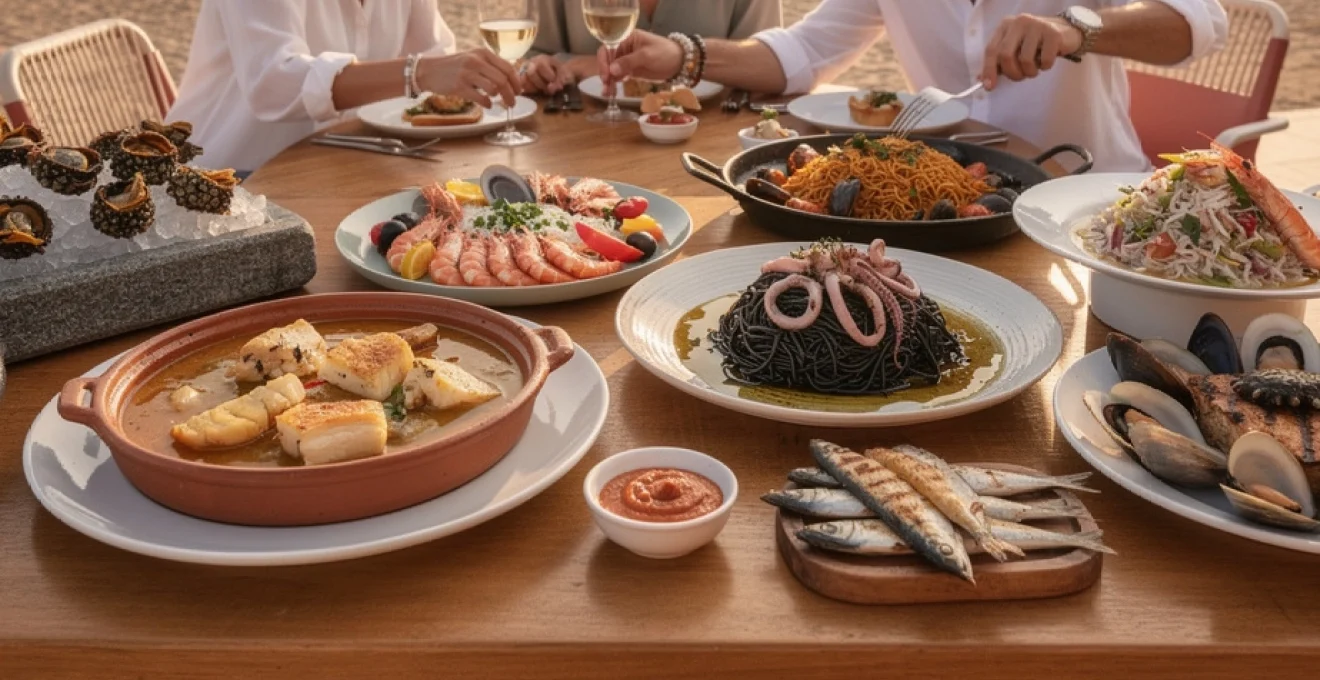
Barcelona’s position on the Mediterranean coast has shaped its culinary identity for centuries, creating a seafood culture that rivals any coastal city in Europe. From the historic fishing quarter of Barceloneta to the bustling markets where vendors display the morning’s catch on gleaming ice beds, the city offers an extraordinary array of marine delicacies. The combination of Atlantic and Mediterranean influences, coupled with Catalan culinary traditions, results in dishes that showcase both simplicity and sophistication. Whether you’re sampling fideuà at a beachfront chiringuito or indulging in Michelin-starred seafood creations, Barcelona’s maritime gastronomy represents a journey through centuries of fishing heritage and culinary innovation.
Traditional catalan seafood specialities: suquet de peix and romesco heritage
Catalan seafood cuisine extends far beyond paella, encompassing a rich repertoire of dishes that reflect the region’s fishing traditions and agricultural bounty. These preparations often combine seafood with locally grown ingredients, creating harmonious flavours that define Mediterranean cooking. Understanding these traditional dishes provides insight into how Catalan culture has evolved around its coastal resources, with recipes passed down through generations of fishermen’s families.
Suquet de peix: fisherman’s stew from barceloneta quarter
Suquet de peix represents the quintessential fisherman’s stew, born in the humble kitchens of Barceloneta when fishermen would prepare this hearty dish using the day’s unsold catch. The preparation involves creating a rich broth with sofrito—a base of slowly cooked tomatoes, onions, and garlic—combined with fish stock, potatoes, and a variety of firm white fish such as monkfish, hake, or sea bass. What distinguishes authentic suquet is the picada, a paste of ground almonds, garlic, fried bread, and parsley added at the final stages to thicken and enrich the stew. The result is a comforting, flavourful dish that captures the essence of traditional Catalan coastal cooking, typically served in earthenware casseroles that retain heat beautifully.
Romesco sauce origins in tarragona and barcelona adaptations
Romesco sauce originated in the fishing port of Tarragona, south of Barcelona, where it traditionally accompanied grilled seafood and the iconic calçotada spring onion festivals. This rustic yet complex sauce combines roasted tomatoes, ñora peppers (a dried red pepper variety), almonds, hazelnuts, garlic, bread, olive oil, and vinegar, all ground together to create a thick, brick-red condiment. Barcelona’s coastal restaurants have adapted romesco to accompany grilled fish, prawns, and mixed seafood platters, with each establishment adding subtle variations to the classic recipe. The sauce’s nutty richness and slight smokiness from the roasted ingredients complement the delicate flavours of fresh seafood without overpowering them. You’ll find exceptional romesco accompanying seafood at establishments throughout the Gothic Quarter and along the waterfront, where chefs take pride in their particular interpretation of this beloved sauce.
Esqueixada de bacallà: salt cod salad preparation techniques
Esqueixada de bacallà showcases the Catalan mastery of salt cod, a preserved fish that has been central to Mediterranean cuisine for centuries. The name comes from the Catalan verb “esqueixar,” meaning to shred or tear, as the desalted cod is hand-shredded into delicate fibres rather than cut with a knife. This refreshing salad combines the tender cod with ripe tomatoes, sweet onions, black olives, and bell peppers, all dressed simply with quality olive oil and vinegar. The key to exceptional esqueixada lies in properly desalting the cod through multiple water changes over 24-48 hours, ensuring the fish retains its distinctive flavour whilst losing excess saltiness. Some modern versions incorporate additional ingredients like chickpeas or hard-boiled eggs, though purists maintain that simplicity allows the bacalao’s unique texture and flavour to shine. This dish appears on menus throughout Barcelona, particularly during summer months when its refreshing qualities are most
most appreciated. You will often see it served as a starter in traditional restaurants, wine bars, and neighborhood eateries where locals gather for a light yet flavourful meal.
Fideuà negra: squid ink noodle paella variations
Fideuà negra is one of the most distinctive seafood dishes to try in Barcelona, offering a dramatic black hue thanks to squid or cuttlefish ink. Unlike classic paella, this version replaces rice with short, toasted noodles called fideus, which absorb the seafood broth and ink, resulting in an intensely savoury flavour. Traditionally, the noodles are first lightly fried in olive oil to develop a nutty aroma, then simmered in a rich stock made from fish bones, prawn heads, and aromatic vegetables. Pieces of squid, cuttlefish, and sometimes small shrimp are added, and the whole dish is finished in the oven to create the prized crispy layer at the bottom, similar to paella’s socarrat.
In Barcelona, you will find fideuà negra presented in shallow metal pans, often with a generous dollop of garlicky allioli on the side. This condiment, made from garlic and olive oil emulsified into a thick sauce, provides a bright contrast to the inky richness of the noodles. Some contemporary restaurants play with the traditional recipe, incorporating shellfish like clams and mussels or using different pasta shapes to alter the texture. When you are choosing where to eat seafood in Barcelona, look for fideuà negra on menus at beachfront restaurants in Barceloneta or in neighbourhood spots in Poblenou and Poble-sec, where locals go for leisurely Sunday lunches.
Premium shellfish selections at la boqueria and mercat de sant antoni
Barcelona’s markets are among the best places to understand the city’s seafood culture, and nowhere is this more evident than at La Boqueria and Mercat de Sant Antoni. Here, counters overflow with ice-packed displays of shellfish, crustaceans, and molluscs sourced from both the Mediterranean and the Atlantic. Visiting these markets early in the morning allows you to watch chefs, home cooks, and even Michelin-starred restaurateurs selecting the day’s catch. If you are serious about tasting the best seafood dishes in Barcelona, spending time at these markets gives you a front-row seat to the supply chain that feeds the city’s top kitchens.
Beyond their visual appeal, these markets offer an opportunity to ask vendors for advice on how to cook different varieties of seafood. Many stalls will clean and prepare shellfish for you, and some even partner with nearby bars where you can have your purchases cooked on the spot. This direct connection between market and plate underpins much of Barcelona’s seafood scene. It also supports more sustainable practices, as shoppers can see first-hand which species are in season and which sizes indicate responsible harvesting.
Galician percebes (goose barnacles) sourcing and preparation
Percebes, or goose barnacles, are one of the most prized shellfish delicacies you can encounter in Barcelona, despite originating primarily from the rugged coasts of Galicia and northern Portugal. Harvested by specialist divers known as percebeiros, these crustaceans cling to wave-battered rocks, making them difficult and dangerous to collect. This challenging sourcing is one reason why percebes often command premium prices at seafood restaurants and market stalls. When you see them at La Boqueria or Mercat de Sant Antoni, you are looking at a product that symbolises the extremes fishers will endure to supply Spain’s top seafood.
Preparation of percebes is surprisingly simple, reflecting the belief that the finest seafood needs little adornment. They are typically boiled briefly in heavily salted water, sometimes with a bay leaf, then served warm in their shell-like coverings. To eat them, you gently twist the leathery outer “neck” and peel it back, revealing a tender, briny interior that tastes intensely of the sea, almost like a concentrated oyster. Many Barcelona wine bars and seafood counters recommend pairing percebes with a chilled glass of Albariño or Godello from Galicia, echoing their Atlantic origin. If you are curious but unsure, start by ordering a small portion; the experience is unlike any other seafood you will try in Barcelona.
Mediterranean gamba roja (red prawn) from palamós
The gamba roja from Palamós, a coastal town north of Barcelona, is widely regarded as one of the finest prawns in the Mediterranean. Distinguished by its vivid red colour and sweet, almost buttery meat, this prawn has become a signature ingredient on many of Barcelona’s best seafood tasting menus. Local fishers use carefully regulated trawling methods and follow strict quotas to protect stocks, meaning that when you encounter Palamós prawns at a market stall or restaurant, you are tasting a carefully managed resource. Their reputation is such that annual auctions in Palamós often see high prices, reflecting both demand and the cost of sustainable fishing.
In Barcelona, the most traditional way to enjoy these prawns is simply grilled with coarse sea salt, allowing the natural flavour to shine. Chefs often encourage diners to savour not only the tail meat but also the rich juices found in the head, considered by many to be the most flavourful part. Some high-end restaurants serve gamba roja carpaccio or incorporate the shells into intense broths used for rice dishes and sauces. When planning which seafood dishes to try in Barcelona, look out for menus that specify “gamba de Palamós”—this designation signals both quality and authenticity.
Razor clams and navajas preparation methods
Razor clams, known locally as navajas, are another staple of Barcelona’s seafood counters and tapas bars. Their long, slender shells stand out at market stalls, often displayed alongside mussels and other bivalves. When sourced from clean, sandy beds along the Galician and Catalan coasts, razor clams offer a delicate, sweet flavour and firm texture that make them ideal for quick cooking. As with many shellfish, freshness is paramount; you should look for tightly closed shells and clams that respond when gently tapped.
The classic Barcelona preparation for navajas is to cook them a la plancha, briefly seared on a hot griddle with olive oil, garlic, and parsley. This high-heat method preserves their natural juiciness while adding a subtle smoky char from the grill. Some restaurants sprinkle a few drops of lemon juice or a splash of dry white wine at the end to brighten the flavours. If you are experimenting with seafood dishes at home after visiting Barcelona, razor clams are an excellent choice; they cook in minutes and pair beautifully with crusty bread to mop up the garlicky cooking juices. Think of them as the maritime cousin of grilled asparagus—simple, elegant, and all about texture.
Espardenyes (sea cucumbers): delicacy of costa brava
Espardenyes are the edible muscle of a particular type of sea cucumber found along the rocky shores of the Costa Brava, north of Barcelona. Though their appearance can be unusual for first-time diners, they are considered a true delicacy in Catalan cuisine, prized for their uniquely springy yet tender texture. Because harvesting espardenyes requires skilled divers and careful handling, they tend to be rare and expensive, appearing mainly at high-end restaurants and select market stalls. When you do encounter them at La Boqueria or on a tasting menu, you are seeing one of the region’s most exclusive seafood products.
In the kitchen, espardenyes are usually cleaned meticulously, then cooked very briefly to preserve their delicate structure—overcooking can make them tough. Chefs often sauté them with olive oil, garlic, and parsley or quickly sear them on a hot plancha, sometimes serving them atop creamy rice or scrambled eggs. The flavour is subtle, with a gentle marine sweetness that absorbs accompanying sauces and aromatics, much like tofu soaks up a marinade. For adventurous eaters seeking the most memorable seafood dishes to try in Barcelona, espardenyes offer a chance to experience a rare ingredient deeply rooted in local culinary tradition.
Michelin-starred seafood experiences: cinc sentits and moments
For travellers who want to explore seafood in Barcelona at its most refined, Michelin-starred restaurants provide a window into how contemporary chefs reinterpret traditional ingredients. Cinc Sentits and Moments are two standout establishments that integrate premium fish and shellfish into sophisticated tasting menus, often highlighting local species and seasonal catches. Rather than simply serving grilled fish or classic paella, these restaurants use modern techniques—such as low-temperature cooking, precise smoking, and creative plating—to elevate familiar flavours. Dining in such venues can feel like attending a culinary performance, where each course tells a story about the sea, the coastline, and Catalan heritage.
At Cinc Sentits, the philosophy revolves around showcasing the essence of Catalan products with a modern sensibility. You might encounter dishes that feature red prawns from Palamós in a delicate consommé, or monkfish paired with seasonal vegetables and a refined romesco foam. The tasting menus often change with the market, making the most of species at their peak. Moments, located within a luxury hotel on Passeig de Gràcia, offers a similarly innovative approach, drawing on both Catalan and broader Mediterranean traditions. Here, seafood courses can include intricate preparations of squid ink rice, delicate sea bass with citrus accents, or avant-garde versions of suquet de peix presented in deconstructed form.
What makes these Michelin-starred seafood experiences particularly compelling is their commitment to sourcing and sustainability. Many top-tier restaurants work closely with local fishmongers and small-scale fishers, specifying sizes, methods, and even fishing grounds to minimise environmental impact. As a guest, you benefit from this attention to detail without needing to navigate the complexities yourself. If you plan to include one of these restaurants in your Barcelona itinerary, booking well in advance is essential, especially during peak seasons such as spring and early autumn. The investment rewards you with a memorable exploration of seafood in Barcelona that goes far beyond a typical restaurant meal.
Authentic chiringuitos along barceloneta and port olímpic beachfront
No exploration of the best seafood dishes in Barcelona is complete without a visit to the city’s chiringuitos, the casual beachfront bars and restaurants that line Barceloneta and Port Olímpic. These establishments embody the relaxed side of Catalan coastal life, where you can enjoy grilled fish, rice dishes, and chilled drinks just steps from the sand. The atmosphere is informal—think wooden decking, sea views, and a mix of locals and visitors still in beachwear. Yet many chiringuitos take their seafood seriously, sourcing fresh fish daily and preparing classic recipes that highlight the natural flavours of the Mediterranean.
As you stroll along the promenade, you will see menus featuring everything from simple grilled sardines to elaborate seafood platters. Choosing where to stop can feel overwhelming, but a good rule of thumb is to look for places where locals linger for long lunches and where the seafood display is busy but orderly. These are often signs that the kitchen moves through stock quickly and prioritises freshness. Whether you opt for paella, grilled octopus, or a plate of mussels in white wine, eating at a chiringuito offers a direct connection between Barcelona’s urban energy and its maritime roots.
Can majó: paella de marisco and zarzuela de pescado
Can Majó is one of Barceloneta’s most respected seafood restaurants, renowned for its paella de marisco and traditional seafood stews. Located close enough to the beach to smell the sea air, this family-run establishment has built its reputation on quality ingredients and faithful execution of classic recipes. Their paella de marisco typically features a shallow layer of rice infused with a rich fish and shellfish stock, studded with prawns, mussels, clams, and sometimes pieces of cuttlefish or squid. Achieving the perfect texture—tender grains with a hint of bite and a caramelised socarrat at the base of the pan—requires careful control of heat and timing, something the kitchen has refined over decades.
For those who want to delve deeper into Catalan seafood traditions, Can Majó’s zarzuela de pescado y marisco is an excellent choice. This hearty stew combines various fish and shellfish in a tomato-based sauce thickened with ground nuts and bread, echoing the technique used in suquet de peix. The dish arrives bubbling in an earthenware casserole, often accompanied by crusty bread to soak up the sauce. If you are dining with a group, ordering both paella and zarzuela allows everyone at the table to sample two of the most emblematic seafood dishes in Barcelona side by side. Reservations, particularly for terrace seating, are highly recommended during weekends and high season.
Xiringuito escribà: arroz a banda technique
Xiringuito Escribà, situated along the Bogatell beach stretch near Port Olímpic, has become famous for its rice dishes, especially its version of arroz a banda. Originating from the Valencia and Alicante coasts, arroz a banda literally means “rice on the side,” referring to a traditional meal where fishermen would cook rice in a strong fish broth using the less marketable parts of the catch, while serving the actual fish separately. At Xiringuito Escribà, this concept is elevated with carefully prepared broths, painstakingly reduced to concentrate flavour before being absorbed by the rice. The result is a dish where every grain tastes intensely of the sea, even when no visible fish pieces remain.
The technique relies on a balance between rich stock and controlled cooking time, similar to making a perfect risotto but without the constant stirring. A well-executed arroz a banda has rice that stands apart, neither mushy nor undercooked, with a glossy sheen from olive oil and fish gelatin. At Escribà, you may also find variations that incorporate seafood such as prawns or squid, though the focus remains on the depth of the broth. Pairing this dish with a crisp, chilled white wine or a glass of cava makes for an ideal beachfront lunch. If you enjoy understanding how traditional fishermen’s recipes evolve into modern restaurant staples, tasting arroz a banda here offers an instructive and delicious example.
La mar salada: contemporary seafood tapas execution
La Mar Salada, another standout along Barceloneta’s seafront, bridges the gap between classic chiringuito fare and contemporary bistro cooking. While it offers traditional rice dishes and seafood platters, the restaurant is particularly noted for its inventive tapas that reinterpret local ingredients. You might find small plates featuring marinated anchovies with citrus and herbs, delicate cod fritters served with aioli, or grilled cuttlefish presented with seasonal vegetables and a drizzle of black ink sauce. These dishes are designed for sharing, allowing you to sample a wide range of flavours without committing to a single large main course.
The kitchen at La Mar Salada places strong emphasis on technique and presentation, but the heart of each dish remains the quality of the seafood itself. By using market-fresh products and combining them with modern plating, the restaurant demonstrates how Barcelona’s seafood culture continues to evolve. For travellers who enjoy tapas-style dining, this is an excellent place to explore different textures and preparations in a single meal—from raw and marinated to grilled and stewed. As with many popular spots along the beachfront, booking ahead, especially for dinner and weekend lunches, ensures you can enjoy the sea views alongside your seafood tapas.
Seafood tapas culture: cal pep and quimet & quimet methodology
Tapas culture is central to the way people eat in Barcelona, and seafood plays a starring role on many of the most sought-after menus. Rather than committing to a single dish, you can sample multiple small plates, comparing preparation styles and ingredients in one sitting. Cal Pep and Quimet & Quimet are two legendary addresses that showcase how seafood tapas in Barcelona can range from rustic simplicity to refined creativity. Both are relatively small, often crowded, and beloved by locals and visitors alike, which means part of the experience is embracing the lively, sometimes chaotic atmosphere.
At Cal Pep, located near the Born district, the counter is the best place to observe the rhythm of a true Barcelona tapas bar. Chefs work at high speed, grilling razor clams, searing tuna, and assembling plates of fried baby squid as orders flow in. There is rarely a printed menu; instead, you discuss preferences with the staff, who then suggest a progression of seafood tapas tailored to your tastes. This improvisational approach feels almost like a conversation, with each new plate responding to your reactions to the last. Expect classics such as clams in white wine, prawns sautéed with garlic and chilli, and seasonal specials based on what is freshest that day.
Quimet & Quimet, by contrast, is famous for its montaditos—small open-faced sandwiches—and its remarkable selection of preserved seafood. Here, tinned delicacies such as mussels in escabeche, cockles, and tuna belly are treated with the same respect as fresh fish, layered with pickled vegetables, olives, and house-made sauces on pieces of bread. This approach highlights a different aspect of Barcelona’s seafood tradition: the art of conservation. Think of it as the pantry-based counterpart to the market’s fresh counters, demonstrating how careful preservation can create intense, concentrated flavours. Standing at the bar with a glass of vermouth and a plate of seafood montaditos in front of you, you participate in a ritual that locals have enjoyed for generations.
Seasonal catch from blanes fish market: sustainable sourcing practices
Behind many of the best seafood dishes in Barcelona lies a network of coastal towns and fish markets that supply the city with fresh catch. Blanes, situated on the southern edge of the Costa Brava, hosts one of Catalonia’s important fish auctions, where local boats land species ranging from monkfish and hake to sardines and anchovies. In recent years, there has been growing emphasis on sustainable practices, with regulations on minimum sizes, closed seasons, and gear types designed to protect marine ecosystems. When restaurants in Barcelona highlight that their fish comes from Blanes or similar markets, they are often signalling a commitment to traceability and responsible sourcing.
For those interested in understanding where their food comes from, visiting a fish auction in Blanes or another Catalan port can be as enlightening as touring a vineyard. You will see how catch is graded, auctioned, and distributed, and you will gain a deeper appreciation for the work that precedes your seafood meal. Many chefs now plan menus around seasonal availability from these markets, adjusting dishes as different species come into and out of peak condition. By choosing restaurants that respect these rhythms, you indirectly support practices that help ensure future generations can also enjoy high-quality seafood in Barcelona.
Rap (monkfish) and lluç (hake) peak seasons
Monkfish (rap) and hake (lluç) are two of the most important white fish species landed at ports like Blanes and served in Barcelona restaurants. Monkfish, with its firm, almost lobster-like texture, is prized for stews such as suquet de peix and for grilled fillets that hold their shape well under high heat. Hake, by contrast, has a more delicate, flaky flesh that shines in simpler preparations, such as lightly battered and fried pieces or fillets baked with olive oil, garlic, and parsley. While both species are available year-round, their quality and abundance peak at different times, influencing when they appear most prominently on menus.
Generally, monkfish is at its best in the cooler months from late autumn through early spring, when its flesh tends to be firmer and flavour more pronounced. Hake often reaches top condition in spring and early summer, aligning with lighter cooking styles and fresher accompaniments. Restaurants that pay attention to these seasonal curves can offer seafood dishes that feel in tune with the weather and the sea’s natural cycle. When you see monkfish featured in hearty winter stews or hake paired with spring vegetables, you are experiencing how Barcelona’s chefs use the calendar as a guide, much like farmers plan around harvests.
Sardines and anchovies from catalan coast
Sardines and anchovies are small fish with a big presence in Catalan cuisine, especially along the Costa Brava and Maresme coasts. In recent years, nutrition studies have highlighted the health benefits of oily fish rich in omega-3 fatty acids, and sardines and anchovies fit this profile perfectly. From late spring through early autumn, schools of these fish approach the coast in large numbers, providing a sustainable, fast-reproducing source of seafood. Markets in Barcelona respond with abundant displays of shimmering silver bodies, while restaurants fire up grills and fryers to meet demand.
Grilled sardines, often served simply with sea salt and a squeeze of lemon, are a staple at chiringuitos and neighbourhood bars, particularly during summer festivals. Anchovies appear in multiple guises: fresh and lightly marinated in vinegar as boquerones en vinagre, salt-cured and preserved in oil for pintxos and tapas, or incorporated into sauces and dressings to add umami depth. If you are looking for an affordable way to enjoy authentic seafood in Barcelona, ordering sardines or anchovies is a smart choice—they are typically well-priced, intensely flavourful, and deeply rooted in local tradition. Their journey from the coastal waters near Blanes and other ports to your plate is short, minimising both transport impact and time out of the water.
Cloïsses (clams) and musclos (mussels) harvest periods
Clams (cloïsses) and mussels (musclos) are ubiquitous on Barcelona menus, appearing in everything from paella and fideuà to simple steamed preparations. Much of the supply comes from carefully managed shellfish beds along the Ebro Delta and other coastal areas, where water quality and harvesting practices are closely monitored. Mussels, in particular, are often farmed on ropes suspended in clean waters, a method that has relatively low environmental impact and produces consistent results. Their cultivation cycles mean that high-quality mussels are available for much of the year, though many locals consider the cooler months ideal for plumper, sweeter flesh.
Clams, which can be more sensitive to temperature and habitat conditions, tend to have more pronounced peaks and troughs in availability. In Catalonia, they are especially popular in dishes like almejas a la marinera (clams in a tomato and white wine sauce) and as key components of seafood rice dishes. When ordering in restaurants, you will notice that well-run kitchens check each clam and mussel before cooking, discarding any that do not close when tapped—a small but crucial step for both safety and quality. By paying attention to harvest periods and sourcing, Barcelona’s chefs ensure that dishes featuring clams and mussels remain not only delicious but also aligned with good environmental practices.