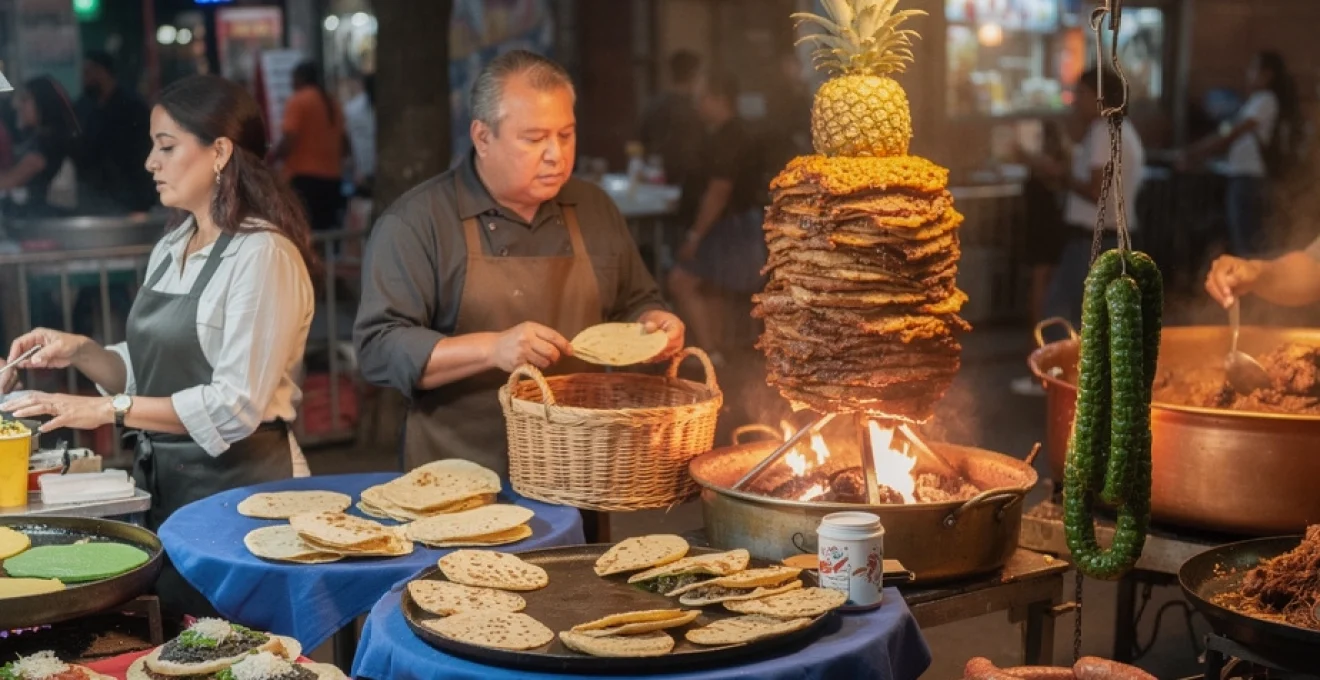
Mexico City stands as one of the world’s greatest street food capitals, where centuries-old culinary traditions meet modern innovation on nearly every corner. The sprawling metropolis offers an extraordinary tapestry of flavours that reflects the rich cultural heritage of Mexican gastronomy, from indigenous corn-based preparations to Spanish-influenced meat dishes. Street food vendors, known locally as garnacheros, have perfected their recipes over generations, creating an accessible culinary landscape that serves everyone from busy office workers to discerning food enthusiasts.
The capital’s street food scene operates as a living museum of Mexican culinary evolution, where traditional antojitos (literally meaning “little cravings”) showcase the sophisticated techniques and ingredient combinations that have made Mexican cuisine a UNESCO World Heritage phenomenon. Understanding these diverse preparations requires more than simply sampling different dishes; it demands an appreciation for the complex cultural and historical contexts that have shaped each recipe. The interplay between pre-Hispanic cooking methods and colonial influences has created a unique gastronomic identity that continues to evolve whilst maintaining deep roots in ancestral traditions.
Antojitos mexicanos: traditional street food categories in CDMX
The classification system for Mexican street food reflects centuries of culinary development, with antojitos mexicanos representing the cornerstone of this gastronomic tradition. These “little cravings” encompass a vast array of preparations that share common characteristics: they’re typically handheld, affordable, and designed to satisfy immediate hunger whilst delivering complex flavour profiles. The term itself captures the essence of Mexican street food culture, acknowledging that these dishes fulfill both physical and emotional needs through their ability to trigger powerful sensory memories and cultural connections.
Traditional categorisation divides antojitos into several distinct groups based on preparation methods and primary ingredients. Corn-based preparations dominate the landscape, reflecting the central role of maíz in Mesoamerican civilisation, whilst meat-centric options showcase the influence of Spanish colonial cooking techniques. Each category has developed its own regional variations and specialised preparation methods, creating a complex ecosystem where vendors often dedicate their entire careers to mastering just one or two specific dishes.
Corn-based specialities: elote and esquites variations
Elote represents perhaps the most ubiquitous street food experience in Mexico City, with vendors pushing distinctive carts through neighbourhoods whilst calling out their presence with melodic chants. The preparation transforms simple corn on the cob into a complex flavour experience through the application of mayonnaise, cotija cheese, chili powder, and lime juice. This combination creates multiple textural and taste sensations simultaneously: creamy, salty, spicy, and acidic elements working in harmony to enhance the natural sweetness of fresh corn.
Esquites, the deconstructed cousin of elote, presents the same flavour profile in a more practical format. Corn kernels are served in cups with identical toppings, allowing for easier consumption whilst walking. The preparation method varies slightly, with kernels often grilled or sautéed to develop deeper caramelised flavours. Street vendors typically offer multiple chili options, from mild to intensely spicy, accommodating various heat tolerances whilst maintaining the essential flavour balance that defines this beloved street food.
Masa preparadas: quesadillas de flor de calabaza and huitlacoche
Quesadillas in Mexico City spark passionate debates about their proper composition, particularly regarding whether cheese should be automatically included. Traditional Mexico City quesadillas consist of masa (corn dough) formed into tortillas and filled with various ingredients, with cheese added only upon specific request. This preparation method reflects pre-Hispanic cooking traditions where corn provided the primary structure for countless dishes.
Flor de calabaza (squash blossom) quesadillas showcase the sophisticated use of seasonal ingredients in Mexican street food. These delicate orange flowers are briefly sautéed to maintain their subtle flavour and tender texture, then encased in fresh masa and cooked on a comal until the exterior develops a slight char. Huitlacoche, often called “Mexican truffle,” transforms corn smut into a delicacy with earthy
umami notes that intensify as the fungus cooks. When folded into a freshly pressed tortilla and finished with a spoonful of salsa verde or salsa roja, it delivers a depth of flavour comparable to wild mushrooms or truffles in European cuisines. Both squash blossom and huitlacoche quesadillas highlight how Mexico City street food can be simultaneously rustic and refined, turning humble corn dough into a canvas for seasonal produce and complex flavours.
For visitors keen to try these masa-based preparations, look for vendors working with blue corn masa, which has a slightly nuttier taste and higher antioxidant content than white or yellow corn. Many stands in Roma Norte and Coyoacán still grind nixtamalised corn daily, a labour-intensive process that produces tortillas with superior texture and aroma. If you are unsure what to order, start by asking for a mixed plate combining flor de calabaza and huitlacoche, then adjust the level of spice by sampling the salsas gradually rather than dousing your food immediately.
Tacos de canasta: steam-basket preservation techniques
Tacos de canasta, or basket tacos, represent one of the most ingenious forms of Mexico City street food, designed specifically for mobility and efficiency. Vendors prepare hundreds of small, soft tacos in advance, typically filled with potato, refried beans, chicharrón prensado (pressed pork rind), or adobo. These tacos are then layered inside a large basket, lined with cloth and plastic, and doused with hot oil or melted lard before being covered to steam gently over several hours.
This steam-basket technique functions like a portable slow cooker, maintaining the tacos at a safe serving temperature while allowing flavours to meld. The oil not only prevents the tortillas from drying out but also infuses them with a rich, savoury taste that contrasts with the simple fillings. You will often see vendors on bicycles balancing these baskets, stopping at busy intersections or outside metro stations during the morning and lunchtime rush, when demand for quick, affordable meals is highest.
From a practical standpoint, tacos de canasta are ideal if you want to sample several fillings in one sitting without spending much. Because they are pre-assembled, service is almost instantaneous, making them popular with office workers who have limited lunch breaks. To gauge quality, observe how fast the vendor sells through the basket; a high turnover indicates that the tacos have not been sitting too long, preserving both safety and optimal texture.
Sopes and huaraches: nixtamalised corn dough applications
Sopes and huaraches showcase the versatility of nixtamalised corn dough, demonstrating how simple changes in shape and thickness create distinct eating experiences. Sopes are small, round discs of masa with pinched edges that form a shallow border, preventing toppings from spilling over. They are first lightly fried or griddled, then topped with a thin layer of refried beans, shredded lettuce, cheese, crema, and optional meats such as tinga de pollo (chipotle-stewed chicken) or chorizo.
Huaraches, by contrast, are elongated and resemble the sole of a sandal, which is how they acquired their name. The masa base is typically larger and thinner than a sope, often stuffed with whole beans before being cooked on a comal. Once crisped on the outside yet tender within, the huarache is covered with salsa, cheese, onion, coriander, and meat of choice, frequently suadero or cecina. Because of their size, huaraches can easily serve as a complete meal rather than just a snack.
Both dishes rely on nixtamalisation, the ancient process of soaking corn in an alkaline solution to increase its nutritional value and improve digestibility. In street settings, you can often see the difference between industrially processed masa and freshly ground nixtamal in the aroma and elasticity of the dough. When choosing where to eat sopes or huaraches in Mexico City, seek out stands where the cook presses each base to order rather than reheating pre-made discs; the result is a noticeably superior texture and flavour.
Mercado street food ecosystem: roma norte and condesa culinary hotspots
The neighbourhoods of Roma Norte and Condesa have emerged as key hubs in Mexico City’s street food ecosystem, where traditional market culture intersects with contemporary culinary trends. While these areas are often associated with cafés and high-end restaurants, their mercados and surrounding streets still host some of the most authentic street food experiences in the city. The concentration of vendors within walking distance makes them ideal bases for a self-guided food tour, allowing you to sample everything from tamales and tacos to innovative fusion dishes in a single afternoon.
Markets in these districts function as both supply chains for local restaurants and as standalone culinary destinations. They illustrate how Mexico City’s street food scene operates like an interconnected network: farmers and butchers deliver ingredients at dawn, while cooks and garnacheros transform those raw materials into ready-to-eat dishes by mid-morning. As you move through stalls, you can observe every stage of the process, from fresh produce selection to final plating, gaining a deeper appreciation of the logistics behind your plate of tacos or steaming bowl of pozole.
Mercado medellín: authentic tamales oaxaqueños distribution
Mercado Medellín, located in Roma Sur just south of Roma Norte, is renowned for its diversity of regional Mexican products, including some of the best tamales oaxaqueños in Mexico City. Unlike standard corn-husk tamales, Oaxacan-style tamales are wrapped in banana leaves, which lend a subtle herbal aroma and keep the masa exceptionally moist during steaming. Fillings often include mole negro, chicken in red or green salsa, or simple yet satisfying combinations of cheese and jalapeño.
Distribution within the market is both informal and highly efficient. Some vendors specialise exclusively in tamales, offering large batches early in the morning to cater to breakfast crowds and nearby office workers. Others run small fondas where tamales appear alongside atole and café de olla as part of set menus. Because demand peaks before midday, it is wise to arrive early if you want to experience the full range of flavours, particularly on weekends when lines can form quickly.
For travellers, Mercado Medellín provides a controlled environment to explore Mexico City street food while observing high turnover and visible cooking practices, both of which are strong indicators of food safety. If you are unsure where to start, look for stalls where local families are seated and where you can see tamales being unwrapped and served directly from steaming pots. Asking for a recommendation from the vendor is often the fastest route to discovering house specialities such as tamales de mole or sweet tamales flavoured with raisins and cinnamon.
Tianguis cultural del chopo: weekend artisanal food vendors
The Tianguis Cultural del Chopo, held weekly near Buenavista, is best known as a countercultural market for music, art, and alternative fashion. Yet alongside its stalls of vinyl records and zines, a parallel ecosystem of artisanal food vendors has developed, turning the tianguis into a fascinating venue for street food exploration. Here, traditional antojitos coexist with vegetarian and vegan adaptations, reflecting the diverse crowd that the market attracts.
Many food stands at El Chopo operate only on weekends, which allows vendors to focus on slow-prepared dishes such as pozole, gorditas, and regional stews brought from home kitchens. You might encounter family-run setups serving Michoacán-style carnitas, alongside younger entrepreneurs offering plant-based tacos al pastor made with marinated seitan or mushrooms. This blend of tradition and experimentation mirrors the broader evolution of Mexico City’s street food culture, where innovation rarely means abandoning heritage techniques.
Visiting the Tianguis Cultural del Chopo also offers insight into how street food supports and is supported by subcultural communities. Eating becomes part of the overall experience, much like grabbing a snack at a music festival. If you plan to explore this market, arrive with an open mind and a flexible appetite, as menus can change from week to week depending on vendors and available ingredients. As always, follow the longest queues and the busiest stands; they usually signal both flavour and reliability.
Mercado san juan: gourmet street food fusion trends
Mercado San Juan in the historic centre has earned a reputation as Mexico City’s “chef’s market,” known for its exotic meats, imported cheeses, and specialty produce. In recent years, it has also become a laboratory for gourmet street food fusion, where classic Mexican techniques meet international ingredients. Think of it as a bridge between a traditional market and a modern food hall, yet without losing its gritty, working-market authenticity.
Several stalls in Mercado San Juan serve elevated versions of typical street food, such as mini-tortas filled with cured meats and artisanal cheeses, or tacos featuring ingredients like duck, wild boar, and even insects prepared in refined salsas. These creations demonstrate how the basic formats of tacos, tostadas, and tortas can adapt to almost any ingredient, much like how a pizza base can carry everything from simple margherita toppings to truffle and prosciutto. For food travellers, this makes the market an ideal place to see how far Mexico City’s culinary creativity can stretch while remaining grounded in recognisable street formats.
Because Mercado San Juan attracts both professional chefs and curious tourists, prices here tend to be higher than at neighbourhood markets. However, the opportunity to taste rare ingredients in approachable, street-style presentations often justifies the cost. When exploring, consider sharing dishes with your companions so you can sample multiple preparations without becoming overwhelmed. Pay attention to how vendors pair salsas and garnishes with less familiar proteins; these combinations are often the result of years of experimentation and can teach you a great deal about flavour balancing in Mexican cuisine.
Meat-centric street preparations: al pastor and carnitas methodology
While corn-based antojitos form the backbone of Mexico City street food, meat-centric preparations like al pastor, carnitas, and barbacoa reveal how post-colonial influences reshaped the city’s culinary identity. These dishes often rely on slow cooking and meticulous seasoning, transforming inexpensive cuts into succulent, richly flavoured meals. For many visitors, a deep dive into Mexico City street food begins or ends with a taco stand where meat sizzles on the plancha or rotates slowly on a vertical spit.
Understanding the methodology behind these preparations helps you appreciate why two seemingly similar taco stands can deliver radically different experiences. Variables such as marinade composition, cooking temperature, fat content, and resting time play roles similar to those in barbecue traditions worldwide. As you eat your way through the city, you will start to notice patterns: certain neighbourhoods specialise in specific styles, and some vendors are known for excelling at a single cut of meat perfected over decades.
Trompo vertical cooking: Lebanese-Mexican culinary integration
Al pastor, arguably the most iconic Mexico City street food, exemplifies the fusion of Lebanese shawarma techniques with Mexican ingredients and flavour preferences. The key element is the trompo, a vertical spit on which thin slices of marinated pork are stacked into a conical shape. As the meat rotates in front of a gas or charcoal heat source, the outer layer crisps and caramelises, ready to be shaved off in delicate ribbons directly onto warm corn tortillas.
The marinade typically includes dried chiles such as guajillo and ancho, along with vinegar, achiote, garlic, and a blend of spices that might remind you of Middle Eastern cooking yet remains distinctly Mexican. A slice of pineapple, perched on top of the trompo, contributes sweet juices that drip down as the meat cooks, while also supplying the signature charred pineapple garnish on finished tacos. The result is a dynamic interplay of sweet, smoky, tangy, and spicy notes that has made al pastor a favourite for both locals and visitors.
When choosing where to eat tacos al pastor in Mexico City, observe the trompo itself. Is the meat evenly stacked and cooked to a deep reddish-brown, without burnt or grey patches? Does the taquero carve thin, consistent slices to order rather than cutting large chunks in advance? These visual cues, along with a brisk turnover of customers, almost always correlate with superior flavour and food safety.
Carnitas michoacanas: lard-confit traditional techniques
Carnitas originated in the state of Michoacán but have become a staple of Mexico City street food, particularly at weekend markets and specialist taquerías. The traditional technique involves confiting various cuts of pork—shoulder, ribs, skin, and sometimes offal—in a large copper cauldron filled with lard. The meat simmers gently for hours until it becomes meltingly tender, then is allowed to brown slightly to develop a caramelised crust.
This method is comparable to slow-cooked pulled pork in the southern United States, yet the use of lard and the inclusion of multiple cuts create a more complex range of textures and flavours. Some vendors season the cooking fat with orange, bay leaves, garlic, and Coca-Cola or piloncillo (unrefined cane sugar) to enhance caramelisation. When you order, you may be asked whether you prefer maciza (lean meat), surtida (a mix including skin and offal), or specific parts such as rib or cheek.
To experience carnitas at their best, aim to arrive before early afternoon, when the freshest batches are still available and not yet overcooked. Watching the vendor retrieve your portion directly from the shimmering copper pot is part of the ritual. A squeeze of lime, a sprinkle of coarse salt, and a simple salsa—often tomatillo-based—are usually all that is needed to complete the taco, allowing the richness of the pork to remain centre stage.
Barbacoa de borrego: underground pit-cooking methods
Barbacoa de borrego (lamb barbacoa) connects modern Mexico City diners with pre-Hispanic cooking traditions through its use of underground pit ovens. In classic preparations, a whole lamb or large cuts are marinated lightly, then wrapped in maguey leaves and placed over a pot to catch the dripping juices. The pit is sealed and the meat slow-roasts overnight, using residual heat from wood embers to achieve a texture so tender it can be eaten with a spoon.
On weekends, many vendors from surrounding states such as Hidalgo drive into Mexico City at dawn to sell barbacoa by the kilo or in tacos, often accompanied by a rich consommé made from the juices collected during cooking. The flavour is both rustic and refined, with the maguey imparting subtle herbal notes and the long cooking time concentrating the meat’s natural sweetness. Eating lamb barbacoa on a Sunday morning with a bowl of consommé is as much a cultural ritual as a meal, akin to a traditional family roast in European contexts.
When you approach a barbacoa stand, notice the steam rising from large, lidded pots and the aroma of slow-cooked lamb. High-quality vendors will often show you the meat before chopping it, allowing you to see the moist, fibrous texture that indicates proper pit-roasting. Tacos are typically served on freshly made tortillas with simple garnishes—onion, coriander, lime, and salsa borracha—so that the complexity of the lamb remains the focus.
Chorizo verde: regional toluca sausage preparation
Among the many sausage varieties used in Mexico City street food, chorizo verde from the nearby city of Toluca stands out for its distinctive colour and herbal profile. Unlike the more common red chorizo seasoned heavily with paprika and dried chiles, green chorizo incorporates fresh herbs such as coriander, parsley, and epazote, along with poblano or serrano chiles. The result is a bright, aromatic sausage that delivers heat without overwhelming smokiness.
In street settings, chorizo verde is typically crumbled and cooked on a hot griddle, then used as a filling for tacos, quesadillas, and gorditas. The fat rendered during cooking acts like a flavourful oil, seeping into the masa and creating a rich, savoury base, similar to how bacon fat is used to season cast-iron dishes in other culinary traditions. Combined with creamy avocado or a sharp salsa verde, chorizo verde tacos offer an excellent example of how regional specialities from across Mexico find new expression in the capital’s street food landscape.
Because green chorizo is more perishable than its cured red counterpart, it is especially important to buy from stands with high turnover and visible refrigeration or cold storage. If you are exploring markets such as Mercado de San Juan or neighbourhood tianguis, ask vendors specifically whether they carry Toluca-style chorizo; many will proudly point you towards their preferred supplier or house preparation.
Beverage pairings: aguas frescas and tepache fermentation
No exploration of Mexico City street food is complete without considering what you will drink alongside your tacos, tamales, and quesadillas. While soft drinks and beer are ubiquitous, traditional beverages such as aguas frescas and tepache offer more culturally rooted pairings that can elevate your overall experience. These drinks not only refresh the palate after spicy bites but also highlight Mexico’s deep knowledge of fruit, grains, and fermentation techniques.
Aguas frescas—literally “fresh waters”—are lightly sweetened beverages made by blending fruits, seeds, or flowers with water and sugar. Popular flavours in Mexico City include hibiscus (jamaica), rice-and-cinnamon (horchata), tamarind, and seasonal fruits like mango or guava. Because they are less carbonated and often less sugary than commercial sodas, they pair especially well with rich street foods, cutting through fat much like a well-chosen wine does in fine dining settings.
Tepache, on the other hand, represents Mexico’s tradition of low-alcohol, naturally fermented drinks. Typically made from pineapple rinds, piloncillo, and spices such as cinnamon and clove, tepache ferments over a few days until it develops a gently tangy, slightly effervescent character. Its flavour sits somewhere between kombucha and cider, making it an excellent match for pork-based dishes like carnitas and al pastor. Many street vendors serve tepache chilled in large glass jars, often over ice, providing a refreshing alternative to beer on hot days.
As you navigate Mexico City food stalls, do not hesitate to ask which beverages are house-made; vendors are usually proud of their signature horchata or jamaica. If you are sensitive to sugar, you can request your agua fresca to be mixed with extra water or ice to dilute sweetness. For those curious about fermentation, sampling tepache from several different stands can be as illuminating as tasting craft beers, since each producer adjusts fermentation time and spice levels according to family tradition.
Street food safety: vendor selection and hygiene assessment criteria
Concerns about street food safety in Mexico City are understandable, yet with some basic precautions, you can enjoy a wide range of dishes while minimising risk. In fact, many locals eat from street vendors daily, relying on long-standing relationships and careful observation to choose where to dine. The same criteria they use can guide you, transforming what might seem like a gamble into an informed decision.
The first and most reliable indicator of a trustworthy vendor is high turnover. Stands crowded with local customers, especially families and office workers, are more likely to maintain fresh ingredients and consistent cooking practices. Observe how food is handled: are raw and cooked items kept separate? Are meats cooked thoroughly to order rather than left sitting at lukewarm temperatures? Clean, organised work surfaces and regularly changed oil are also strong positive signs.
Water and fresh produce merit particular attention. Whenever possible, opt for fruits that are peeled to order or cooked vegetables rather than pre-cut salads that have been sitting out. For drinks with ice, choosing busy vendors near markets or established taquerías reduces risk, as they are more likely to use purified water. If your stomach is especially sensitive, you may wish to avoid raw salsas made with large amounts of fresh lettuce or unrefrigerated dairy toppings, at least during your first days in the city.
Listening to your body and pacing your culinary exploration is as important as any hygiene checklist. Start with simpler, well-cooked foods like tacos al pastor or quesadillas, and gradually branch out to more complex dishes as you adjust. Carrying basic remedies such as electrolyte powders can help you recover quickly from minor upsets. With a bit of common sense and observation, eating street food in Mexico City becomes less a risk and more a rewarding gateway into daily local life.
Seasonal availability: chiles en nogada and temporal ingredient sourcing
One of the most fascinating aspects of Mexico City street food is its sensitivity to seasonality, particularly evident in dishes like chiles en nogada. This patriotic preparation, featuring poblano chiles stuffed with picadillo (a mixture of meat, fruits, and nuts), covered in a creamy walnut sauce and topped with pomegranate seeds and parsley, appears only for a brief window each year. Traditionally associated with late August and September around Mexican Independence Day, it relies on the simultaneous availability of fresh walnuts, pomegranates, and specific apple and pear varieties.
Although chiles en nogada are more commonly found in restaurants and fondas than at basic taco stands, some mercados and street-facing stalls in neighbourhoods like Coyoacán and Roma will offer more casual, takeaway versions during peak season. These interpretations might simplify presentation but retain the essential tricolour symbolism of the Mexican flag through their green, white, and red elements. Tasting the dish in a market setting can feel like joining a shared national ritual, as families gather to enjoy it at least once each year.
Seasonality influences many other Mexico City street foods as well, from flor de calabaza quesadillas in the rainy season to pan de muerto around Día de Muertos and rosca de reyes in early January. Vendors adjust their offerings according to what is freshest and most affordable, ensuring that even everyday snacks remain closely tied to agricultural cycles. This temporal sourcing echoes farmers’ markets elsewhere in the world, yet in Mexico City it is embedded directly into the fabric of street food culture.
For travellers, being aware of seasonal specialities can transform a good trip into a memorable one. Before your visit, it is worth checking which ingredients are at their peak and asking locals what limited-time dishes you should look out for. Whether you are savouring a steaming cup of atole on a cool winter morning or biting into your first chile en nogada under September skies, these time-bound experiences capture the soul of Mexico City’s street food scene in a way that year-round offerings simply cannot.