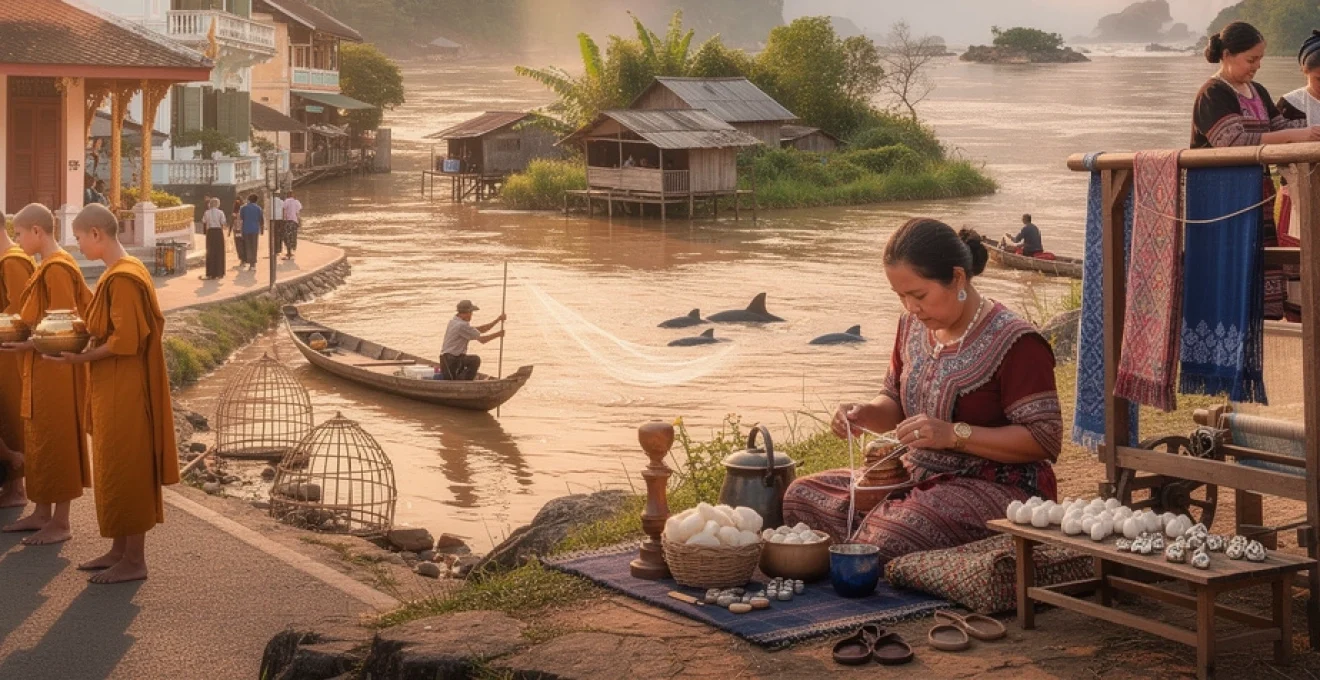
Nestled in the heart of Southeast Asia, Laos remains one of the region’s most enchanting and unspoiled destinations. While neighbouring Thailand and Vietnam draw millions of tourists annually, this landlocked nation offers something increasingly rare in today’s interconnected world: genuine authenticity. From ancient Buddhist temples that have witnessed centuries of devotion to pristine ecosystems where endangered species still roam freely, Laos presents travellers with an opportunity to experience Southeast Asia as it once was, before mass tourism transformed the landscape.
The country’s commitment to sustainable tourism and cultural preservation has created a unique travel environment where visitors can engage meaningfully with local communities, participate in time-honoured traditions, and witness archaeological wonders that continue to puzzle researchers today. Unlike the bustling beach resorts and commercialised attractions found elsewhere in the region, Laos invites you to slow down, breathe deeply, and immerse yourself in a culture that values serenity, spirituality, and harmony with nature.
Luang prabang’s UNESCO world heritage architecture and buddhist temple complexes
Designated as a UNESCO World Heritage Site in 1995, Luang Prabang stands as one of Southeast Asia’s most remarkably preserved historical cities. The town’s unique architectural landscape represents a harmonious blend of traditional Lao wooden houses, French colonial buildings, and Buddhist temples, creating an urban environment that feels like stepping back in time. The city’s protected status ensures that modern development remains carefully controlled, maintaining the authentic atmosphere that draws discerning travellers from around the world.
The architectural significance of Luang Prabang extends far beyond its aesthetic appeal. The city serves as a living museum where traditional building techniques, passed down through generations of craftsmen, continue to be practised today. Local regulations require that all construction and renovation work adheres to strict heritage guidelines, ensuring that the city’s character remains intact for future generations. This commitment to preservation has created an environment where visitors can experience authentic traditional architecture in its original context, rather than in reconstructed tourist attractions.
Wat xieng thong’s golden tree of life mosaic and traditional lao craftsmanship
At the heart of Luang Prabang’s temple complex stands Wat Xieng Thong, arguably the most significant Buddhist monastery in Laos. Built in 1560 during the reign of King Setthathirath, this magnificent temple showcases the pinnacle of traditional Lao religious architecture. The temple’s most striking feature is its stunning golden Tree of Life mosaic, which adorns the exterior wall of the ordination hall and represents one of the finest examples of Lao artistic craftsmanship.
The intricate mosaic work demonstrates techniques that have remained virtually unchanged for centuries. Local artisans continue to maintain and restore these precious decorations using traditional methods, mixing coloured glass fragments with gold leaf to create patterns that shimmer brilliantly in the tropical sunlight. The temple complex also houses an impressive collection of Buddha statues, religious artifacts, and ancient manuscripts that provide insight into centuries of Buddhist practice in the region.
French colonial villas along sisavangvong road’s historic quarter
The French colonial period, which lasted from 1893 to 1954, left an indelible mark on Luang Prabang’s architectural landscape. Along Sisavangvong Road, the city’s main thoroughfare, elegant colonial villas stand as testament to this historical period. These buildings, with their distinctive shuttered windows, wide verandas, and tropical adaptations of European architectural styles, have been carefully preserved and now house boutique hotels, restaurants, and cultural centres.
What makes these colonial buildings particularly fascinating is how French architects adapted European designs to suit the tropical climate and local building practices. The integration of traditional Lao elements with colonial features created a unique architectural hybrid that you won’t find anywhere else in the world. Many of these buildings now serve as heritage accommodations, allowing visitors to experience this architectural legacy firsthand while supporting preservation efforts.
Royal palace museum’s Khmer-Influenced design elements
The Royal Palace, now functioning as the National Museum, represents another significant architectural treasure within Luang Prabang. Built in 1904 during the French
colonial era, its architecture blends traditional Lao motifs with subtle Khmer influences, particularly visible in the sweeping rooflines and ornate stucco ornamentation. The palace compound was strategically positioned along the Mekong River, symbolising the monarchy’s connection to both spiritual and earthly realms. Inside, polished wooden floors, intricate murals, and ceremonial rooms display a curated cross-section of royal life in early 20th-century Laos, offering travellers an authentic window into the country’s political and cultural evolution.
For visitors seeking an authentic experience in Laos, the Royal Palace Museum is more than just a photo stop; it is a key to understanding how Buddhism, monarchy, and colonial forces shaped modern Lao identity. You can walk through the throne hall, admire the Prabang Buddha image that gave the city its name, and observe the careful preservation of royal regalia and diplomatic gifts. Audio guides and interpretive panels help you decode symbolic elements, from naga (serpent) motifs to lotus-inspired decorations. By taking your time here rather than rushing through, you gain a richer appreciation of Luang Prabang’s layered history and its role in the broader story of Southeast Asia.
Morning alms ceremony at wat sensoukharam’s ancient monastery
Just before sunrise, the streets of Luang Prabang come quietly to life as lines of saffron-robed monks emerge from monasteries like Wat Sensoukharam. Known locally as tak bat, the morning alms ceremony is one of the most profound and authentic cultural experiences in Laos. This daily ritual, where laypeople kneel to offer sticky rice and simple food to monks, encapsulates the deep interdependence between the monastic community and ordinary citizens. Participating respectfully allows you to witness living Buddhist traditions rather than staged performances.
To experience the ceremony in a responsible way, it is best to choose a less crowded stretch of road near Wat Sensoukharam instead of the busiest tourist corners. Dress modestly, keep a respectful distance, and avoid using flash photography, which can disrupt the solemn atmosphere. Many local guesthouses can help you prepare offerings or recommend where to stand as an observer. When approached with humility, the morning alms ceremony becomes a powerful reminder that in Laos, spirituality is not just a tourist attraction but a guiding force in everyday life.
Mekong river ecosystem and traditional fishing village communities
The Mekong River is the lifeblood of Laos, shaping its landscapes, ecosystems, and traditional ways of life. Flowing for more than 4,300 kilometres from the Tibetan Plateau to the South China Sea, the Mekong sustains one of the world’s most productive inland fisheries. In Laos, countless riverside villages still depend on the river for transport, food, and seasonal agriculture, offering travellers a chance to see traditional lifestyles that are disappearing elsewhere in Southeast Asia. Exploring the Mekong by slow boat or kayak allows you to appreciate both its majestic scenery and its complex ecological importance.
For those seeking an authentic experience in Laos, spending time in small fishing communities along the Mekong provides invaluable insight into local customs and resilience. You might see families mending nets at dawn, children paddling narrow wooden boats to school, or elders passing down river lore to the next generation. At the same time, climate change, upstream dams, and overfishing are placing increasing pressure on this fragile ecosystem. By choosing community-based tours and responsible operators, you can support conservation initiatives that help safeguard the Mekong’s biodiversity and the livelihoods that depend on it.
Don det and don khon island’s irrawaddy dolphin conservation areas
In the far south of Laos, near the Cambodian border, the Mekong fans out into a maze of channels and islets known as the 4,000 Islands, or Siphandone. Among these, Don Det and Don Khon have become gateways for travellers hoping to spot the elusive Irrawaddy dolphin, a critically endangered species that once thrived throughout the region. Although dolphin numbers have declined sharply in recent decades, dedicated conservation areas now aim to protect the remaining population and their habitat. Visiting these islands gives you a front-row seat to both the beauty and vulnerability of the Mekong’s wildlife.
Boat excursions to the dolphin viewing zones are usually conducted in small, low-noise craft to minimise disturbance, and reputable guides will brief you on responsible wildlife-watching practices. Like trying to read fine print through gently rippling water, spotting Irrawaddy dolphins can require patience and a keen eye. Yet even if you glimpse only a few dorsal fins breaking the surface, the wider experience of drifting along quiet channels, passing stilted homes and palm-fringed banks, is rewarding in itself. By choosing operators that collaborate with conservation groups, you help ensure that tourism revenue supports local communities and dolphin protection rather than harming it.
Champasak province’s khone phapheng falls biodiversity hotspot
Also in southern Laos, Khone Phapheng Falls roar across the Mekong in a spectacular cascade that stretches more than 10 kilometres in width. Often described as the largest waterfall in Southeast Asia by volume, this powerful series of rapids is more than just a scenic highlight; it is a crucial biodiversity hotspot. The turbulent waters create unique microhabitats that support a variety of fish species, some of which are endemic to this section of the river. For travellers, standing on the viewing platforms and feeling the mist on your face is a visceral reminder of the river’s untamed energy.
Local communities have long adapted their fishing methods to the falls’ challenging conditions, using ingenious traps and seasonal techniques that respect natural cycles. Guided visits can help you understand how traditional knowledge and modern conservation science intersect at Khone Phapheng. Recent studies by Mekong-focused NGOs highlight the importance of this area for migratory fish, which feed millions of people downstream. When you pay park entrance fees and support community-led initiatives here, you contribute to preserving both the ecological integrity of the falls and the cultural heritage of the people who live alongside them.
Traditional bamboo fish trap construction in siphandone villages
In the quieter backwaters of Siphandone, you will often notice intricate bamboo structures protruding from the river like abstract sculptures. These are traditional fish traps, designed and refined over generations to harvest fish sustainably from the Mekong’s shifting currents. Built entirely by hand, these traps showcase remarkable engineering skills using only natural materials, a bit like building a functional, life-sized puzzle out of reeds and rope. Observing their construction offers a window into how local people harmonise with the river rather than trying to dominate it.
Many guesthouses on Don Khon and Don Det can arrange visits to nearby villages where you can watch artisans split bamboo, weave ribs, and assemble the traps piece by piece. Some hosts may even invite you to try your hand at weaving a small section, revealing how much patience and precision the craft requires. Because these traps are seasonal and location-specific, they place less pressure on fish stocks than more industrial methods. By engaging with these communities and purchasing locally made handicrafts, you help sustain traditional knowledge that is closely tied to river conservation.
Mekong catfish breeding programmes and sustainable aquaculture
The Mekong giant catfish, one of the largest freshwater fish on Earth, has become an emblem of both the river’s former abundance and its current challenges. Overfishing and habitat changes have pushed this species to the brink, spurring research centres and community groups in Laos to develop breeding programmes and sustainable aquaculture initiatives. These efforts aim not only to support wild populations but also to provide alternative livelihoods for fishers. For travellers, visiting such projects offers a deeper, science-based perspective on the Mekong beyond its scenic vistas.
Some conservation-oriented tours in central and southern Laos include stops at aquaculture sites where you can learn about hatchery techniques, feeding regimes, and habitat restoration projects. It can feel a bit like touring a living laboratory, where each tank and enclosure represents a small step toward a more sustainable future for river communities. Experts often highlight how responsible aquaculture can reduce pressure on wild fish stocks while still meeting local protein needs. By supporting these initiatives through entrance fees or donations, you directly contribute to long-term solutions that balance conservation and economic reality.
Plain of jars archaeological megalithic site complex in xieng khouang
High on the windswept plateau of Xieng Khouang lies one of Asia’s most intriguing archaeological mysteries: the Plain of Jars. Scattered across rolling hills and grasslands, thousands of massive stone jars, some weighing several tonnes, sit silently in clusters at more than 90 documented sites. Archaeologists believe they date back at least 2,000 years, yet their exact purpose remains debated; theories range from funerary urns to storage vessels for fermented rice. Visiting the Plain of Jars offers a rare chance to step into a landscape where history feels tangible, yet questions still outnumber answers.
Designated as a UNESCO World Heritage Site in 2019, the Plain of Jars is gradually becoming more accessible thanks to improved infrastructure and guided tours. Most travellers begin at Sites 1, 2, and 3, where cleared pathways and interpretive signage help explain ongoing research and conservation work. However, this region also bears the scars of more recent history, having been heavily bombed during the Indochina War. UXO clearance projects continue to make the area safer, and you will often see red and white markers indicating which zones are secure. By visiting with licensed local guides, you not only support the regional economy but also gain nuanced insights into both ancient and modern chapters of Laos’s story.
Hmong and khmu hill tribe textile traditions and ethnic village homestays
Beyond the river valleys and historic towns, the mountains of northern Laos are home to a rich mosaic of ethnic communities, including the Hmong, Khmu, Akha, and many others. These groups have maintained distinct languages, rituals, and artistic traditions despite modern pressures, making the region a compelling destination for culturally curious travellers. One of the most visible expressions of this diversity is textile work: colourful embroidery, complex weaving patterns, and hand-dyed fabrics that reflect both identity and environment. Staying in an ethnic village homestay allows you to experience rural life at a human pace, sharing meals, stories, and daily routines.
When organised responsibly, village stays create mutual benefits: you gain authentic insight into local culture while communities receive fair income and a platform to preserve their heritage. Homestay hosts might teach you how to steam sticky rice in bamboo baskets, guide you on forest walks to identify medicinal plants, or explain the symbolism in traditional clothing. It is important, however, to choose programmes that are community-led and transparent about where your money goes. This way, your desire for an authentic experience in Laos directly supports education, healthcare, and cultural continuity in remote areas.
Ban phanom weaving cooperative’s natural indigo dyeing techniques
Just a short drive from Luang Prabang, the village of Ban Phanom has long been renowned for its skilled Tai and Lao weavers. Today, a cooperative model helps artisans maintain traditional hand-loom techniques while accessing a fairer share of the tourism market. One of the most fascinating aspects of their work is natural indigo dyeing, a process that turns humble green leaves into deep, shimmering blues. Watching this transformation is like witnessing a slow-motion chemistry experiment guided by ancestral knowledge rather than lab equipment.
Visitors can observe each step: harvesting indigo plants, fermenting the leaves to extract pigment, and carefully dipping skeins of cotton or silk into dye vats multiple times to achieve the desired shade. Artisans often explain how different minerals, water temperatures, and exposure to air subtly change the final colour. Many cooperatives offer short workshops where you can dye a scarf or small piece of cloth to take home as a meaningful souvenir. By purchasing directly from the weavers, you help ensure that traditional knowledge remains economically viable for younger generations, rather than being replaced by cheap factory-produced textiles.
Akha silver smithing methods in muang sing’s mountain communities
Further north, near the borders with China and Myanmar, the town of Muang Sing serves as a gateway to Akha and other highland communities famed for their ornate silver adornments. For the Akha, silver jewellery is far more than decoration; it is a portable expression of wealth, status, and spiritual protection. Traditional silversmiths, often working from simple wooden workshops, still use time-honoured methods to melt, cast, and engrave intricate pieces. The process is meticulous and hands-on, like sculpting tiny landscapes from liquid light.
Guided visits to these mountain communities can include demonstrations of how raw silver is alloyed, hammered into thin sheets, and shaped into beads, pendants, and headdresses. Artisans might show you the symbolic patterns that distinguish clan identities or mark important life events such as marriage. Because many younger villagers are drawn to urban jobs, supporting these crafts through ethical purchases and community-led tours helps keep them alive. When you wear a piece of Akha silver, you are not just accessorising; you are carrying a small chapter of Laos’s cultural story with you.
Traditional lao silk production at ock pop tok living crafts centre
Back in Luang Prabang, the Ock Pop Tok Living Crafts Centre has become one of the country’s leading hubs for textile preservation and education. Set in a lush garden overlooking the Mekong, the centre brings together weavers from multiple ethnic groups to showcase every stage of silk production, from mulberry cultivation to finished fabrics. If you have ever wondered how a delicate silk scarf begins life as a tiny caterpillar, this is where the entire cycle is revealed. The process unfolds step-by-step, like following a thread through a richly woven story.
Free tours explain how silkworms are raised, cocoons harvested, and filaments spun into lustrous threads. You will see natural dyes made from roots, bark, and flowers, and watch master weavers operate complex looms that can take months to complete a single piece. The centre also offers hands-on classes for visitors who want to try basic weaving or dyeing, providing a tactile understanding of the patience and skill involved. Because Ock Pop Tok pays fair wages and invests in training, your entrance fees and purchases help create sustainable livelihoods while preserving Laos’s textile heritage.
Baci ceremony participation in authentic village settings
Among the most meaningful cultural experiences you can have in Laos is taking part in a traditional baci ceremony, also known as su kwan. Rooted in pre-Buddhist animist beliefs and later blended with Buddhist practices, the baci is performed to mark important life events: arrivals, departures, weddings, recoveries from illness, and even successful harvests. Elders chant blessings as cotton strings are tied around your wrists, symbolically calling back wandering spirits to restore balance and wellbeing. The ceremony feels intimate and communal, like being woven momentarily into the social fabric of the village.
Authentic baci ceremonies are best experienced in rural communities or through trusted cultural organisations rather than staged tourist shows. Your guide can help explain proper etiquette, such as how to sit, receive the threads, and respond to blessings. Typically, the ceremony is followed by shared food, music, and informal conversation, giving you a chance to connect more deeply with your hosts. Participating respectfully in a baci is not just a memorable travel moment; it is a rare opportunity to understand how Lao people conceptualise harmony, luck, and human connection.
Nam et-phou louey national protected area’s endemic species conservation
For nature lovers and responsible travellers, the Nam Et–Phou Louey National Protected Area in northeastern Laos offers one of the country’s most immersive wildlife experiences. Covering roughly 4,229 square kilometres of rugged mountains and dense forest, it is home to important populations of endangered species, including clouded leopards, white-cheeked gibbons, and numerous rare birds. While sightings of large mammals are never guaranteed, the area’s award-winning ecotourism programmes are designed to support conservation through community-led initiatives. Visiting here feels less like a typical “safari” and more like joining a long-term effort to protect one of Indochina’s last great wildernesses.
The flagship activity is the Nam Nern Night Safari, where small groups travel by boat along a remote stretch of river, guided by trained villagers who share both ecological knowledge and local folklore. Red-filtered spotlights are used to minimise disturbance while searching for nocturnal wildlife along the banks. Revenue from each tour is distributed to participating communities based on wildlife sightings, creating a financial incentive to protect rather than hunt endangered species. This innovative model has been recognised by sustainable tourism awards and offers a powerful example of how authentic travel in Laos can directly contribute to conservation outcomes.
Traditional lao cuisine preparation methods and indigenous ingredients
Any journey through Laos would be incomplete without delving into its distinctive culinary traditions, which remain deeply tied to local landscapes and seasonal rhythms. Lao cuisine is built around sticky rice, fresh herbs, fermented flavours, and a balance of spicy, sour, salty, and bitter tastes. Unlike more commercialised food scenes in neighbouring countries, many Lao dishes you encounter in homes and village markets are still prepared following methods passed down through generations. Exploring these flavours is like reading a delicious map of the country’s rivers, forests, and gardens one plate at a time.
Popular dishes such as laap (a minced meat or fish salad with herbs and toasted rice), tam mak hoong (spicy green papaya salad), and charcoal-grilled river fish reveal a strong preference for freshness and texture. Indigenous ingredients like sakhaan (a peppery forest vine), wild mushrooms, and local greens further differentiate Lao food from that of its neighbours. To truly appreciate the depth of this cuisine, consider joining a cooking class in Luang Prabang or Vientiane that includes a market visit. You will learn how to select herbs, pound pastes in a mortar, and steam sticky rice in conical bamboo baskets—skills that help you recreate a little bit of Laos at home.