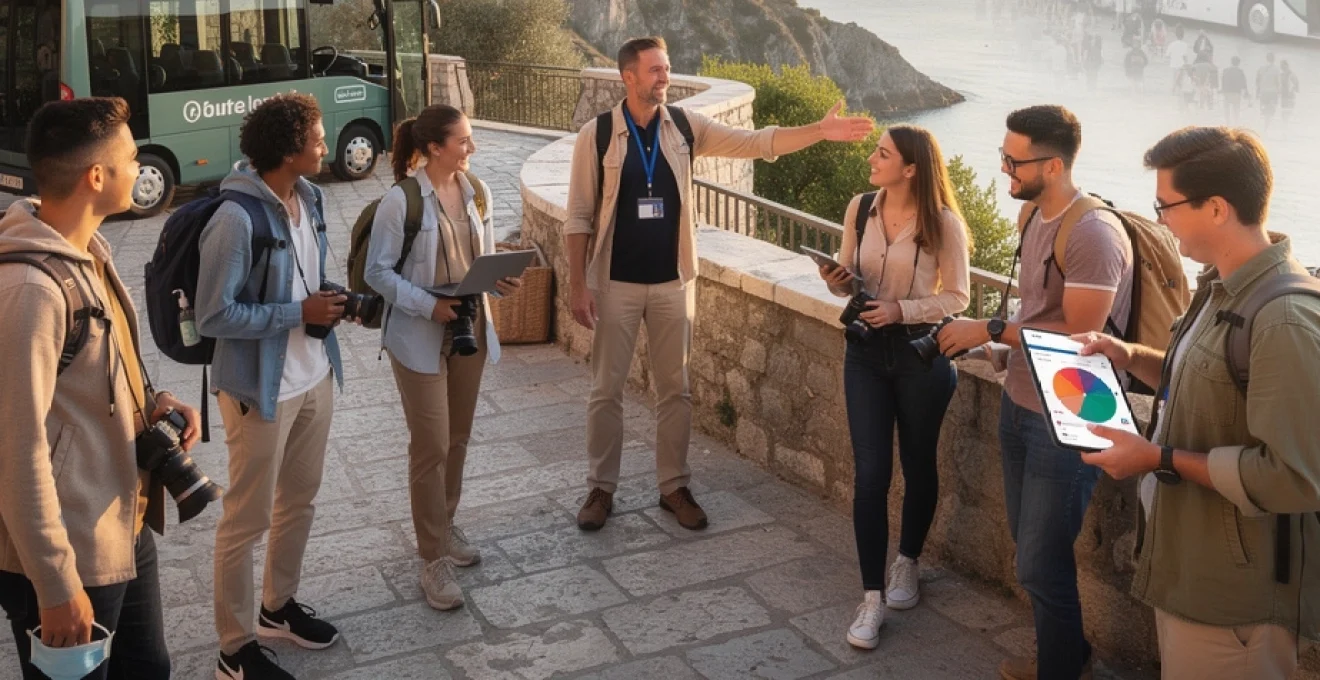
The travel industry has witnessed a remarkable transformation in recent years, with discerning travellers increasingly abandoning traditional mass tourism in favour of more intimate, personalised experiences. This shift represents a fundamental change in how people approach exploration and discovery, driven by evolving consumer preferences, technological advancements, and a growing desire for authentic cultural immersion. Small group tours, typically accommodating between 8-16 participants, have emerged as the perfect solution for modern travellers seeking the ideal balance between independence and structure, safety and adventure.
The surge in popularity of boutique travel experiences reflects broader societal changes, including heightened environmental consciousness, increased disposable income among millennials and Gen Z, and a collective desire for meaningful connections in an increasingly digital world. Tour operators have responded to these market demands by developing sophisticated, technology-driven solutions that deliver highly personalised experiences whilst maintaining operational efficiency and profitability.
Post-pandemic consumer behaviour shifts driving intimate travel experiences
The global pandemic fundamentally altered traveller psychology, creating a permanent shift towards smaller, more controlled travel environments. Research indicates that 78% of travellers now prioritise safety and hygiene protocols when selecting tour operators, whilst 65% express preference for smaller group sizes to minimise health risks. This behavioural transformation has created unprecedented opportunities for boutique tour operators who specialise in intimate travel experiences.
Risk mitigation strategies in controlled group environments
Small group tours inherently provide enhanced risk management capabilities compared to mass tourism alternatives. With fewer participants, tour operators can implement more rigorous health screening procedures, maintain better oversight of group dynamics, and respond more effectively to unexpected situations. The controlled environment allows for real-time monitoring of participant wellbeing and immediate intervention when necessary, creating a safer travel ecosystem for all involved parties.
Tour operators have developed comprehensive risk assessment protocols that evaluate everything from destination stability to local healthcare infrastructure. These systematic approaches enable proactive decision-making and contingency planning, ensuring that small groups can access remote or challenging destinations whilst maintaining safety standards that would be impossible to implement with larger cohorts.
Personalised service delivery models in boutique tourism operations
The intimate nature of small group tours facilitates unprecedented levels of personalisation that simply cannot be achieved in traditional mass tourism settings. Tour guides can dedicate individual attention to each participant, tailoring explanations, recommendations, and experiences based on personal interests and preferences. This bespoke approach transforms standard sightseeing into meaningful cultural exchanges that resonate long after the journey concludes.
Boutique operators leverage advanced customer relationship management systems to track individual preferences, dietary requirements, and special interests throughout the booking process. This data enables tour managers to customise daily activities, restaurant selections, and accommodation arrangements, creating highly personalised experiences that exceed participant expectations whilst maintaining operational efficiency.
Social distancing compliance in luxury travel market segments
The luxury travel segment has embraced small group touring as an elegant solution to social distancing requirements without compromising service quality or experiential value. Premium operators have redesigned transportation arrangements, accommodation selection, and dining experiences to naturally incorporate spacing requirements whilst enhancing overall comfort and exclusivity.
Private dining arrangements, exclusive venue access, and chartered transportation have become standard features in luxury small group tours. These elements not only ensure compliance with health protocols but also elevate the overall experience quality, justifying premium pricing structures and attracting affluent travellers seeking exceptional value propositions.
Health and safety protocol integration in premium tour packages
Contemporary small group tours incorporate comprehensive health and safety protocols as fundamental service components rather than optional add-ons. Tour operators now maintain partnerships with local medical facilities, employ trained first aid personnel, and implement regular health monitoring systems throughout journey duration. These measures provide participants with confidence and peace of mind whilst enabling access to destinations that might otherwise seem challenging or risky.
The integration of health protocols extends beyond basic safety measures to include wellness-focused activities, stress reduction techniques, and mental health support systems. Progressive tour operators recognise that modern travellers view wellness as an integral component of meaningful travel experiences, leading to the development of holistic approaches that address both physical and emotional wellbeing.
Digital nomad accommodation integration in small group itineraries
The rise of remote work has created demand for extended-stay options within small group tour frameworks.
To meet this need, boutique operators are incorporating longer stays in co-living spaces, apartment-style hotels, and remote-work-friendly villas into their small group itineraries. High-speed Wi‑Fi, dedicated workspaces, and flexible daily schedules allow guests to combine guided activities with focused work time. Some itineraries are even designed as “workation” programs, where group excursions are clustered around evenings and weekends, while weekdays are kept relatively light to accommodate professional commitments.
This integration of digital nomad accommodation in small group tours results in hybrid experiences that blend community, productivity, and exploration. Travellers are no longer forced to choose between a career and a long trip; instead, they can join a curated group, benefit from local expertise, and still log in for meetings from a well-equipped base. For tour operators, this model extends average trip length and increases revenue per guest, while satisfying a rapidly growing segment of remote workers seeking slow, meaningful travel.
Millennial and gen Z travel preference analytics
Understanding why small group tours are gaining popularity among younger demographics requires a data-driven look at millennial and Gen Z travel behaviour. Surveys from leading industry bodies show that over 70% of travellers under 35 prioritise “experiences over possessions,” while more than 60% actively seek out small group or independent tour options over large coach-based itineraries. These cohorts value flexibility, authenticity, and social connection, and small group travel aligns closely with those expectations.
Importantly, younger travellers are also highly research-oriented and digitally savvy. They compare reviews, examine sustainability credentials, and expect seamless digital booking journeys before committing to a premium small group tour. For operators, leveraging analytics from social media engagement, search behaviour, and past booking patterns is critical to shaping itineraries and marketing messages that resonate with this audience and convert interest into reservations.
Instagram-worthy destination curation methodologies
For millennials and Gen Z, visual storytelling plays a central role in destination choice, and this is a key driver behind the rise of small group travel. “Instagram-worthy” locations are no longer limited to the most famous viewpoints; instead, travellers look for unique angles, hidden cafés, street art districts, and off-the-beaten-path lookouts that feel fresh and original. Curating these experiences for small group tours requires a methodology that combines social listening, trend monitoring, and on-the-ground local input.
Progressive tour operators analyse geotag data, viral posts, and influencer content to identify emerging hotspots before they reach mass-tourism saturation. They then collaborate with local guides to vet these places for safety, accessibility, and cultural sensitivity. The result is an itinerary that balances iconic sites with photogenic “secret spots,” allowing guests to capture compelling content while still having an authentic and respectful interaction with the destination.
Authentic cultural immersion experience design
Beyond capturing the perfect photo, younger travellers increasingly seek deep cultural immersion that mass tourism struggles to deliver. Small group tours are ideally suited to this, as their limited size allows for intimate experiences such as cooking with local families, participating in traditional ceremonies, or joining artisans in their workshops. Designing these encounters requires careful, ethical collaboration with communities to ensure experiences are mutually beneficial rather than extractive.
Effective cultural immersion in small group itineraries follows a few core principles: smaller groups to minimise disruption, fair compensation for hosts, and transparent communication about expectations on both sides. When done well, guests move beyond surface-level sightseeing and develop a nuanced understanding of local customs, social issues, and everyday life. This type of meaningful connection is one of the most cited reasons why travellers repeat-book small group tours instead of reverting to mass tourism options.
Sustainable tourism certification requirements for conscious travellers
Millennial and Gen Z travellers are also leading the charge in demanding sustainable, responsible travel. Reports indicate that over 80% of travellers under 40 prefer to book with operators that can demonstrate a positive environmental and social impact. In response, small group tour providers increasingly pursue recognised sustainable tourism certifications, such as Travelife, B Corp, or Global Sustainable Tourism Council (GSTC) aligned standards, to validate their practices.
These certifications require robust documentation on everything from carbon reduction strategies and waste management to community engagement and labour practices. For travellers, visible certification acts as a quick trust signal that a small group tour has been independently assessed against rigorous sustainability criteria. For operators, the process encourages continuous improvement and provides a framework for building itineraries that align with conscious travellers’ values, further enhancing the appeal of intimate, responsible tours.
Premium tour operator revenue optimisation through group size management
From an operator’s perspective, one of the reasons small group tours are gaining popularity is their favourable revenue and margin profile when managed correctly. While the per-person price of a small group tour is typically higher than a mass-market coach tour, the cost base can be more predictable and the guest lifetime value significantly greater. Optimising group size is central to this equation: too small, and fixed costs erode margins; too large, and the experience deteriorates, reducing referrals and repeat bookings.
Premium tour operators increasingly use historical data and predictive analytics to determine ideal group sizes for different destinations and trip types. For example, a hiking-focused itinerary in a remote region might cap groups at 10 for safety and access reasons, allowing the operator to charge a higher rate for an exclusive experience. Conversely, a cultural city tour might run comfortably with 16 participants without compromising quality. Fine-tuning these variables enables operators to maximise profitability while maintaining the intimacy that guests expect from small group travel.
Advanced personalisation technologies in boutique travel operations
Technology is playing a pivotal role in the rise of small group tours, particularly through advanced personalisation tools that were once reserved for large travel conglomerates. Boutique operators can now deploy cloud-based platforms, AI analytics, and mobile apps to create bespoke experiences at scale for groups of 8–16 travellers. This tech-enabled personalisation not only enhances guest satisfaction but also streamlines operations, allowing smaller teams to deliver high-touch service efficiently.
At each stage of the guest journey—research, booking, pre-departure, on-trip, and post-trip—data is gathered, analysed, and translated into actionable insights. Preferences around food, activity level, photography interests, wellness, and sustainability priorities are captured and used to refine both individual recommendations and future itinerary design. Over time, this creates a virtuous cycle where every small group tour becomes more intelligently tailored, reinforcing the appeal of this travel format.
Ai-driven itinerary customisation platforms for niche markets
AI-driven itinerary platforms are transforming how niche small group tours are conceived and marketed. By analysing vast datasets—search queries, booking histories, social media trends, and feedback forms—these systems can identify micro-niches such as “vegan hiking retreats in the Alps” or “photography-led small group tours in Japan during autumn foliage.” Operators can then rapidly prototype and test itineraries that directly match these specific interests.
For travellers, this means access to small group tours that feel as though they were designed just for them. AI not only suggests optimal routes and activity combinations but can also account for seasonality, crowd forecasts, and even local events to enhance the experience. The result is a level of customisation that would be impossible to manage manually, particularly for smaller boutique operators. In effect, AI allows them to compete on personalisation with much larger brands, while maintaining the intimate scale that guests prefer.
Dynamic pricing algorithms for small group tour packages
Revenue management, long a staple of airlines and hotels, is now being applied to small group tours through dynamic pricing algorithms. Rather than fixed brochure prices, sophisticated operators adjust tour pricing in real time based on demand curves, booking windows, occupancy forecasts, and competitor activity. When implemented thoughtfully, this approach can improve load factors, protect margins, and make premium small group experiences accessible to a broader audience during shoulder seasons.
For guests, dynamic pricing can present opportunities to secure high-value experiences at favourable rates if they book early or travel off-peak. For operators, it reduces the risk of under-filled departures and last-minute discounting that can erode brand perception. The key is transparency and fairness: clear communication around pricing structures helps build trust, ensuring travellers understand why prices may fluctuate and how they can secure the best value on a small group tour.
CRM integration strategies for enhanced guest relationship management
As small group tours increasingly attract repeat guests, effective customer relationship management becomes a strategic asset. Modern CRM systems allow operators to maintain detailed profiles that go far beyond basic contact information, recording past destinations, preferred travel styles, feedback notes, and even special occasions like anniversaries or birthdays. When integrated with booking platforms and communication tools, this data enables highly personalised engagement throughout the customer lifecycle.
Imagine receiving a tailored email inviting you to a new small group itinerary in Patagonia because the operator knows you loved a previous hiking tour in New Zealand. Or being welcomed by name on day one of a trip, with the guide already aware of your vegetarian diet and interest in photography. These touches, made possible by CRM integration, turn a standard tour into a memorable, relationship-driven experience. Over time, this fosters loyalty and word-of-mouth referrals, both crucial for the continued growth of small group travel.
Real-time group dynamics monitoring through wearable technology
While it may sound futuristic, some pioneering operators are experimenting with wearable technology to monitor group dynamics and enhance safety on small group tours. Simple devices or app-based solutions can track basic metrics such as location, activity levels, and even heart rate during strenuous hikes or high-altitude excursions. This gives guides real-time insight into how participants are coping and where additional support might be needed.
Beyond safety, aggregated, anonymised data from wearables can reveal behavioural patterns that inform future itinerary design. If, for example, a majority of guests consistently show fatigue at a particular point in the day, operators can adjust pacing, incorporate rest stops, or modify activity difficulty. In this way, wearable technology acts like a “dashboard” for group wellbeing, allowing tours to be fine-tuned almost like a live performance where the audience’s reactions guide the next move.
Comparative market analysis: small group versus mass tourism economics
From an economic standpoint, the growing popularity of small group tours is reshaping how value is distributed across the travel ecosystem. Mass tourism models rely on high volume and low margins, often putting downward pressure on local prices and sometimes leading to overtourism in iconic hotspots. Small group tours, by contrast, operate on a higher-margin, lower-volume basis, which can channel more revenue per traveller into local businesses such as boutique hotels, family-run restaurants, and specialist guides.
Although small group packages may appear more expensive on a per-day basis, their value proposition is stronger when you factor in inclusions, access, and reduced planning effort. Travellers benefit from curated experiences and deeper local engagement, while destinations benefit from more sustainable visitor flows and higher average spend per guest. In economic terms, small group travel can be likened to a “craft” approach compared to mass tourism’s “industrial” model—each departure is more intentional, more tailored, and designed to leave a positive footprint rather than simply maximise headcount.
Global case studies: successful small group tour implementation models
Real-world case studies from around the globe illustrate how small group tours are gaining popularity and delivering measurable benefits for both travellers and destinations. In regions like Patagonia, for example, conservation-focused operators have developed trekking itineraries limited to 12 participants, partnering with local lodges and park authorities to minimise environmental impact. These programs command premium pricing yet often sell out months in advance, demonstrating strong demand for low-impact, high-engagement experiences.
In Southeast Asia, community-based tourism projects have used small group formats to bring visitors into rural villages for homestays, cooking classes, and agricultural workshops. By capping numbers and working closely with local leaders, these initiatives ensure income is distributed fairly and cultural integrity is preserved. Similarly, in Europe, specialised operators run small group cycling or culinary tours that support local artisans, winemakers, and independent hotels, creating economic resilience beyond mass tourism hot spots.
Together, these models show that small group tours are not a niche fad but a structural evolution in how we travel. They align with post-pandemic safety concerns, younger generations’ quest for authenticity, and global priorities around sustainability. As technology continues to enable more sophisticated personalisation and operators refine their economic models, the momentum behind small group travel is likely to accelerate—reshaping the industry toward more intimate, responsible, and rewarding ways to explore the world.