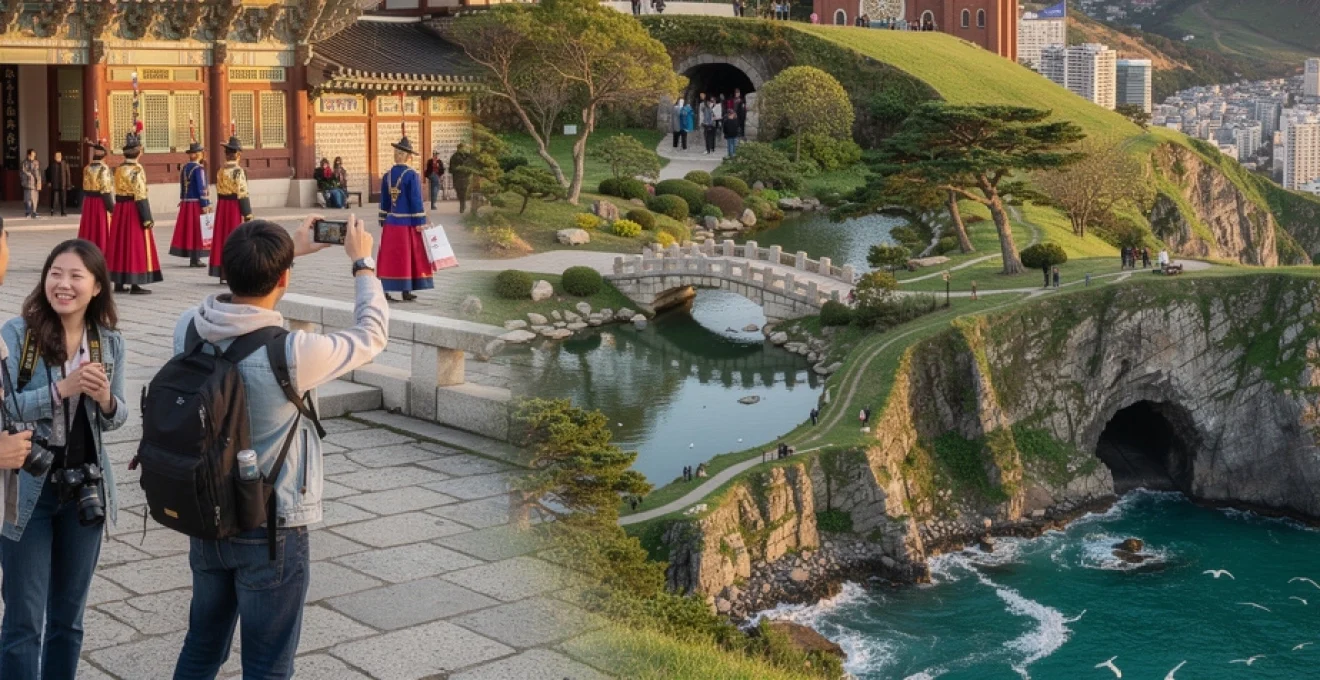
South Korea has emerged from the shadows of its more prominent neighbours to become one of Asia’s most compelling travel destinations. With visitor numbers from the UK alone increasing by 15% in 2024 to reach 139,275 tourists, this dynamic nation offers an extraordinary fusion of ancient traditions and cutting-edge modernity. From the neon-lit streets of Seoul to the pristine volcanic landscapes of Jeju Island, South Korea presents travellers with experiences that range from the deeply cultural to the utterly contemporary. The country’s remarkable transformation over the past decades has created a unique destination where 5,000 years of history seamlessly intersect with technological innovation, world-class cuisine, and a thriving entertainment industry that has captured global attention.
Seoul metropolitan cultural infrastructure and UNESCO world heritage architecture
Seoul stands as a testament to South Korea’s ability to preserve its historical heritage whilst embracing rapid modernisation. The capital city houses some of Asia’s most significant architectural treasures, each telling a unique story of Korean civilisation and its evolution through centuries of political and cultural transformation.
Gyeongbokgung palace complex and joseon dynasty royal protocols
The grandest of Seoul’s Five Grand Palaces, Gyeongbokgung represents the pinnacle of Korean royal architecture from the Joseon Dynasty period. Built in 1395, this sprawling complex encompasses over 7,700 rooms across its 40-hectare site, making it larger than both Buckingham Palace and the Forbidden City’s residential quarters. The palace’s geomantic principles follow traditional Korean feng shui concepts, with buildings positioned to harmonise with the surrounding Bugaksan Mountain backdrop.
Visitors can witness the spectacular Changing of the Guard ceremony, which occurs five times daily and faithfully recreates the royal protocols established during King Sejong’s reign in the 15th century. The ceremony involves 20 guards dressed in authentic Joseon-era uniforms, complete with traditional weapons and musical instruments that produce the haunting melodies once reserved for Korean royalty.
Bukchon hanok village traditional architecture preservation
Nestled between Gyeongbokgung and Changdeokgung palaces, Bukchon Hanok Village preserves over 900 traditional Korean houses, known as hanok. These structures demonstrate sophisticated architectural techniques that predate modern engineering by centuries, utilising ondol underfloor heating systems and curved rooflines designed to withstand Korea’s harsh winters and humid summers.
The village’s preservation efforts have created a living museum where residents continue to inhabit these historical structures whilst maintaining traditional Korean lifestyle practices. Many hanoks have been converted into cultural centres, tea houses, and craft workshops, allowing visitors to experience authentic Korean hospitality whilst learning traditional arts such as hanji paper-making and Korean calligraphy.
Dongdaemun design plaza zaha hadid contemporary design integration
The Dongdaemun Design Plaza represents Seoul’s commitment to architectural innovation, designed by renowned architect Zaha Hadid as a futuristic landmark that challenges conventional building concepts. This 86,574-square-metre complex features no right angles in its design, instead flowing in organic curves that create a sense of movement and fluidity rarely seen in urban architecture.
The building’s parametric design utilises advanced computational methods to create its distinctive flowing form, whilst the facade incorporates over 45,000 aluminium panels, each uniquely shaped to contribute to the overall organic aesthetic. The plaza serves as Seoul’s primary design and fashion hub, hosting international exhibitions and fashion weeks that position the city as a major player in global creative industries.
Changdeokgung palace secret garden biosphere conservation
Changdeokgung Palace’s Secret Garden, known as Huwon, represents one of the world’s finest examples of Korean landscape architecture integrated with natural forest ecosystems. This 78-acre garden maintains over 300 plant species, including several rare Korean endemic plants that have survived within the palace grounds for over 600 years.
The garden’s design philosophy emphasises naturalistic harmony, where human intervention appears minimal despite sophisticated
engineering of water features, pathways, and sightlines. Instead of imposing strict geometric patterns, the designers allowed existing topography and streams to dictate the layout, resulting in a landscape that feels organic and timeless. Today, visitor numbers are carefully managed to protect this delicate biosphere, and guided tours highlight how conservation techniques balance cultural preservation with biodiversity protection in the heart of a major metropolis.
For travellers interested in sustainable tourism, the Secret Garden offers a rare opportunity to observe how a historical royal retreat has adapted to modern environmental standards. Interpretive signage and expert guides explain how native tree species, seasonal lotus ponds, and traditional pavilions coexist with contemporary conservation policies. As you walk along shaded trails that once hosted Joseon kings, you gain a deeper appreciation for how Seoul integrates green spaces into its dense urban fabric, creating a city where heritage and habitat can thrive side by side.
Myeongdong cathedral gothic revival architecture significance
Myeongdong Cathedral, officially the Cathedral Church of the Virgin Mary of the Immaculate Conception, stands as a landmark of Korea’s Gothic Revival architecture and religious history. Completed in 1898, it was one of the first brick buildings in the country and symbolised the rapid modernisation of late Joseon Korea. Its pointed arches, ribbed vaults, and soaring spire contrast sharply with nearby glass towers, offering travellers a visual metaphor for South Korea’s layered identity.
Beyond its architectural value, Myeongdong Cathedral played a crucial role in South Korea’s democratic movement during the 1970s and 1980s, providing sanctuary for pro-democracy activists. When you step inside today, you are not only admiring stained-glass windows and intricate stonework, but also standing in a space that witnessed pivotal moments in modern Korean history. English-language masses and information panels make the site accessible to international visitors, and its central location in the Myeongdong shopping district means you can easily combine cultural exploration with some of the best retail therapy in Seoul.
Jeju island natural volcanic landscape and geological formations
Jeju Island, often described as the “Hawaii of South Korea”, is a UNESCO World Natural Heritage site renowned for its dramatic volcanic landscapes and unique geology. Formed by volcanic eruptions over millions of years, the island showcases an exceptional combination of craters, lava tubes, and rugged coastlines that appeal to both casual visitors and serious geology enthusiasts. As domestic and international tourism continues to grow, Jeju has invested heavily in eco-friendly infrastructure, making it easier than ever to explore its natural wonders responsibly.
For travellers building a South Korea travel bucket list, Jeju offers a refreshing counterpoint to the urban energy of Seoul and Busan. Hiking trails, coastal drives, and coastal villages give you space to slow down and reconnect with nature. Whether you are climbing the country’s highest peak, descending into ancient lava tubes, or cycling around offshore islets, Jeju’s diverse landscapes show a very different side of South Korea that many first-time visitors never expect.
Hallasan national park temperate rainforest ecosystem
Hallasan National Park dominates the centre of Jeju Island, with the 1,950-metre Hallasan volcano rising above forests, wetlands, and alpine meadows. Despite its relatively modest altitude by global standards, the mountain supports multiple climate zones, from warm temperate forests at the base to subalpine environments near the summit. This vertical diversity creates a rich temperate rainforest ecosystem, home to over 1,800 plant species and a wide array of birds and insects.
Several well-maintained hiking routes, including the popular Seongpanak and Gwaneumsa trails, allow visitors to experience these changing ecosystems in a single day. Along the way, you pass through dense evergreen forests, fields of volcanic rock, and seasonal wildflower displays that shift dramatically between spring and autumn. Park authorities limit access to certain areas and promote Leave No Trace principles, so if you plan to trek Hallasan, you should check trail conditions in advance and come prepared with proper gear, water, and weather-appropriate clothing.
Seongsan ilchulbong tuff cone volcanic formation analysis
Seongsan Ilchulbong, or Sunrise Peak, is one of Jeju’s most recognisable landmarks and a textbook example of a tuff cone volcanic formation. Created by hydrovolcanic eruptions around 5,000 years ago, it rises 182 metres above sea level, with steep cliffs on three sides and a bowl-shaped crater at its summit. From a distance, the formation resembles a giant stone crown emerging from the sea, making it a favourite subject for photographers and drone enthusiasts.
Climbing the well-marked staircase to the top takes around 20–30 minutes, making it accessible even to travellers who are not seasoned hikers. Interpretive boards along the route explain how explosive interactions between magma and seawater produced layers of compacted ash, sand, and volcanic debris, much like stacking thin sheets of paper to create a solid block. Arriving before dawn to watch the sun rise over the East Sea is a classic Jeju experience, though sunset views can be equally rewarding with fewer crowds.
Manjanggul lava tube cave system exploration
The Manjanggul Lava Tube is one of the longest and most impressive lava tunnels in the world, stretching for about 7.4 kilometres beneath Jeju’s surface. Formed when the outer layer of flowing lava cooled and solidified while molten rock continued to flow within, the tube reveals striking geological features such as lava stalactites, flow lines, and massive lava columns. Only a 1-kilometre section is open to visitors, ensuring the delicate cave ecosystem remains protected.
Inside the lava tube, temperatures remain cool year-round, making it a comfortable escape from Jeju’s summer heat. Walkways and subtle lighting highlight key formations without overwhelming the natural darkness, allowing you to appreciate how the lava once surged through the tunnel like a subterranean river of fire. Because the ground can be uneven and damp, sturdy footwear is essential, and visitors should be prepared for low ceilings in some sections. For anyone curious about volcanic processes, exploring Manjanggul is like stepping into a frozen snapshot of the island’s fiery past.
Udo island coastal erosion patterns and marine biodiversity
Just a short ferry ride from Jeju’s Seongsan Port, Udo Island offers a more intimate look at volcanic coastlines and the forces of coastal erosion. Wind, waves, and currents have sculpted the island’s basalt cliffs into arches, caves, and terraces, illustrating how marine processes continuously reshape the shoreline. The contrast between black volcanic rock and the island’s famous white coral sand beaches creates a scenic backdrop for cycling, swimming, and photography.
Udo is also known for its marine biodiversity, including seagrass beds, fish nurseries, and shellfish habitats that support local communities. Traditional women divers, or haenyeo, still harvest abalone, sea urchins, and seaweed using sustainable, equipment-free methods that date back centuries. By hiring bicycles instead of cars and choosing locally run cafes and guesthouses, you can help reduce your environmental footprint while supporting small-scale businesses that depend on responsible tourism. If you are interested in slower travel in South Korea, an overnight stay on Udo lets you enjoy quiet evenings and sunrise walks without the day-trip crowds.
Busan coastal metropolitan tourism infrastructure development
Busan, South Korea’s second-largest city, combines a busy international port with some of the country’s best beaches, seafood markets, and cultural sites. Over the last decade, the city has significantly upgraded its tourism infrastructure, adding new subway lines, coastal walkways, and public art projects that make it easier and more enjoyable to explore. From the skyscraper-lined shores of Haeundae Beach to the colourful hillside alleys of Gamcheon Culture Village, Busan offers a coastal urban experience that feels completely different from Seoul.
High-speed KTX trains connect Busan to Seoul in around 2.5 to 3 hours, meaning you can include both cities in a single South Korea itinerary without long travel days. Once in Busan, an integrated network of buses, subways, and taxis makes getting around straightforward, especially if you use a rechargeable T-money transport card. Recent developments like the Busan Air Cruise cable car and the Sky Capsule along Haeundae’s coastal railway have added new vantage points over the city’s bridges, harbours, and islands. As Busan vies to host major international events and position itself as a global maritime hub, visitors benefit from improved facilities while still enjoying the charm of traditional markets and local neighbourhoods.
Korean peninsula demilitarised zone historical preservation
The Korean Peninsula Demilitarised Zone (DMZ) is one of the most unusual travel experiences in South Korea, offering a sobering look at the country’s modern history and ongoing division. Established in 1953 after the Korean War armistice, the DMZ is a 250-kilometre-long buffer zone between North and South Korea, roughly 4 kilometres wide. Paradoxically, decades of restricted human access have turned parts of this heavily militarised region into an accidental wildlife sanctuary, home to rare bird species and even endangered mammals like the Amur leopard and Asiatic black bear.
Guided tours departing from Seoul typically visit key sites such as the Imjingak Peace Park, Dora Observatory, and one of the infiltration tunnels dug by North Korea. At each stop, you gain context about the war, the armistice, and the families still separated by the border. Visiting the Joint Security Area (JSA) at Panmunjom, where tension can be palpable, often feels like standing on a historical fault line between past conflict and hoped-for reunification. While photography rules and security protocols are strict, these constraints reinforce just how unique and sensitive this area is. If you plan to include the DMZ on your South Korea travel bucket list, booking well in advance and carrying your passport is essential.
Hallyu cultural export phenomenon and k-entertainment tourism
Hallyu, or the Korean Wave, describes the global spread of South Korean pop culture, from K-pop and dramas to beauty products and online gaming. Over the last decade, this cultural export phenomenon has transformed South Korea into a must-visit destination for fans eager to experience the settings, sounds, and styles they have seen on screens. According to the Korea Foundation, the number of global Hallyu fans surpassed 200 million in recent years, and many now plan trips specifically around K-entertainment tourism.
For travellers, this means that Seoul and other cities have developed dedicated experiences around K-pop concerts, drama filming locations, and interactive museums. It is now possible to structure an entire South Korea itinerary around Hallyu, from visiting entertainment company headquarters to shopping for exclusive merchandise in idol-themed stores. As new dramas and variety shows launch every season, fresh filming locations quickly become travel hotspots, turning city streets and scenic landmarks into living backdrops for pop culture pilgrimages.
Gangnam district k-pop entertainment industry hub
Gangnam, made globally famous by Psy’s viral hit “Gangnam Style”, is more than just a trendy neighbourhood; it is a core hub of South Korea’s entertainment industry. Major K-pop agencies have offices and training centres here, and the district’s sleek high-rises, luxury boutiques, and stylish cafes mirror the aspirational lifestyle seen in many music videos. Walking through areas like Cheongdam-dong and Apgujeong, you might spot trainee idols heading to practice or fans queuing outside agency buildings hoping for a glimpse of their favourite stars.
Gangnam has capitalised on this interest by creating K-pop themed attractions, including photo zones, pop-up exhibition spaces, and specialised tour routes. Some travel agencies offer small-group tours that show you iconic music video locations, entertainment company head offices, and K-pop experience studios where you can record a cover song or learn official choreography. For travellers keen on nightlife, Gangnam also boasts some of Seoul’s most energetic clubs and lounges, where you can hear the latest hits played to packed dance floors late into the night.
Korean drama film location tourism circuit development
Korean dramas, or K-dramas, have helped turn everyday locations—cafes, parks, streets, and universities—into global tourist attractions. Tourism boards and city governments have responded by developing structured “drama location” circuits that guide visitors through key sites from popular series. For example, filming spots from shows like “Goblin”, “Crash Landing on You”, and “Itaewon Class” are now mapped, signposted, and featured in multilingual brochures.
These circuits often combine lesser-known neighbourhoods with established landmarks, encouraging visitors to venture beyond typical tourist zones. You might find yourself in a quiet residential alley that doubled as a main character’s home, or in a small riverside park where a pivotal confession scene took place. Because new dramas premiere constantly, the list of must-visit locations is always evolving, giving repeat visitors fresh reasons to return. If you plan your own K-drama tour, using local navigation apps like Naver Map and KakaoMap will help you pinpoint exact filming spots more accurately than global mapping platforms.
BTS and BLACKPINK concert venue cultural impact
BTS and BLACKPINK, two of the most influential K-pop groups in the world, have turned South Korean concert venues into cultural landmarks in their own right. Large stadiums such as Seoul Olympic Stadium, Jamsil Arena, and Gocheok Sky Dome regularly host world tour kick-offs and special fan meetings that draw international visitors from dozens of countries. During major comebacks and anniversary events, nearby hotels, cafes, and subway stations are adorned with themed advertisements and fan-made banners, turning entire districts into celebration zones.
The economic impact of these events is substantial, with local tourism and hospitality sectors reporting spikes in bookings and spending whenever a major act announces a home-country performance. For fans, attending a concert in Seoul is more than just a night of music; it is a chance to visit pop-up exhibitions, explore fan-run cup-sleeve events in cafes, and buy limited-edition merchandise available only in South Korea. If you hope to align your South Korea travel bucket list with a K-pop concert, you will need to monitor ticket release dates carefully and be prepared for intense competition, often using official fan-club memberships or global ticketing platforms.
Korean wave museum interactive technology integration
To showcase the breadth of Hallyu, various cultural centres and museums have embraced interactive technology, merging entertainment with education. Exhibitions dedicated to the Korean Wave often incorporate augmented reality (AR) photo zones, holographic performances, and virtual reality (VR) experiences that allow visitors to “step onto” a virtual stage with their favourite idols. These installations use motion sensors and high-resolution screens in much the same way a high-tech theme park ride would, but with a focus on music, drama, and fashion rather than thrills.
In Seoul and other major cities, you will find Hallyu-focused spaces where you can explore costume displays from hit dramas, record personalised video messages with digital avatars of K-pop stars, and learn about the behind-the-scenes production process. Audio guides in multiple languages help contextualise how Korean entertainment grew from a regional industry into a powerhouse of global soft power. For tech-savvy travellers, these museums demonstrate how South Korea’s strengths in IT and creative industries combine to offer immersive, memorable cultural experiences.
Traditional korean culinary heritage and fermentation techniques
South Korea’s culinary heritage is deeply rooted in fermentation, seasonality, and the careful balance of flavours. From tangy kimchi to earthy soybean pastes and lightly sparkling rice wines, traditional Korean food showcases techniques that both preserve ingredients and enhance their nutritional value. As more travellers seek authentic food experiences, South Korea’s markets, street stalls, and restaurants have become key reasons to visit, often ranking as highlights of any itinerary.
Exploring Korean cuisine on the ground allows you to taste regional variations that rarely appear in overseas restaurants. You might try spicy jjigae stews in Seoul, seafood-rich dishes in Busan, or temple-inspired vegetarian meals in mountain monasteries. Cooking classes, food markets, and fermentation workshops are increasingly available in English, giving visitors hands-on insight into how age-old methods fit into modern Korean life. For many, discovering the country through its flavours becomes as memorable as visiting palaces or beaches.
Kimchi fermentation process and probiotic health applications
Kimchi, Korea’s signature fermented side dish, exemplifies how traditional techniques can deliver both intense flavour and health benefits. Typically made from napa cabbage, Korean radish, or cucumber, kimchi is seasoned with chilli flakes, garlic, ginger, spring onions, and salted seafood, then left to ferment in cool conditions. During fermentation, lactic acid bacteria convert natural sugars into acids, creating kimchi’s characteristic tang and helping to preserve it for months.
Modern nutrition research highlights kimchi as a probiotic-rich food that may support gut health, immunity, and even metabolic function. In many Korean households, families still gather to make large batches of kimchi in a communal tradition called kimjang, which UNESCO recognises as intangible cultural heritage. Visitors can join kimchi-making workshops in Seoul and Busan to learn how to salt, season, and pack the vegetables, then take home their own jar. Understanding kimchi’s fermentation process is like unlocking a key chapter in South Korea’s culinary story, where necessity, creativity, and community all come together in one dish.
Korean barbecue galbi and bulgogi preparation methods
Korean barbecue is often the gateway into the country’s food culture for international visitors, and enjoying it in South Korea is a distinctly social experience. Diners typically grill marinated beef ribs (galbi) or thinly sliced beef (bulgogi) over charcoal or gas grills built directly into the table, wrapping cooked meat in lettuce leaves with garlic, chilli, and fermented soybean paste. The flavours result from careful marinating, usually with a mix of soy sauce, sugar, garlic, sesame oil, and grated pear or apple to tenderise the meat.
Many barbecue restaurants in Seoul and Busan operate late into the night, catering to office workers, students, and friends gathering over food and soju. For travellers, learning how to use tongs and scissors at the grill, or when to flip the meat, is part of the fun—staff are usually happy to help if you are unsure. Some cooking schools also offer classes focused on galbi and bulgogi preparation, teaching you how to recreate these dishes at home. Once you understand the basics of marinating and grilling, you will see why Korean barbecue has become a global favourite while still feeling deeply rooted in local customs.
Makgeolli traditional rice wine production techniques
Makgeolli, a traditional milky rice wine, has experienced a revival in recent years as younger Koreans and international visitors rediscover its rustic charm. Made by fermenting steamed rice with a fermentation starter called nuruk, makgeolli is naturally carbonated and slightly sweet, with an alcohol content typically between 6% and 8%. The drink is unfiltered or only lightly filtered, so it retains rice sediment that gives it a cloudy appearance and creamy texture.
Production techniques vary by region, with some brewers using heirloom rice varieties or adding local ingredients like chestnuts or herbs. Visiting a small makgeolli brewery or traditional tavern allows you to see how rice is washed, steamed, cooled, inoculated with nuruk, and left to ferment in clay or stainless-steel vessels. Tastings often include several styles, from crisp and dry to fruity and floral, much like sampling different craft beers or natural wines. If you are exploring nightlife in Seoul, areas like Insadong and Ikseon-dong host modern makgeolli bars that pair this historic drink with contemporary small plates, blending old techniques with new tastes.
Temple food buddhist culinary philosophy implementation
Temple food, the plant-based cuisine developed in Korean Buddhist monasteries, offers a serene and thoughtful approach to eating that contrasts with the country’s bustling street food scene. Rooted in the principles of non-violence and mindfulness, temple cuisine avoids meat, fish, and pungent ingredients like garlic and onions, focusing instead on seasonal vegetables, wild herbs, fermented condiments, and whole grains. The goal is not only to nourish the body but also to calm the mind, with dishes prepared and consumed in a spirit of gratitude and awareness.
Travellers can experience temple food through structured templestay programmes at monasteries across the country, where simple but beautifully presented meals are served as part of meditation retreats. Some renowned temple chefs have also opened restaurants in cities like Seoul, introducing this culinary philosophy to a wider audience. Eating temple food can feel like attending a quiet symphony of subtle flavours—nothing loud or overpowering, but everything in harmony. For anyone looking to balance a busy South Korea itinerary with a slower, more reflective experience, a meal—or even an overnight stay—at a temple is a powerful reminder that travel is as much about inner journeys as outer exploration.