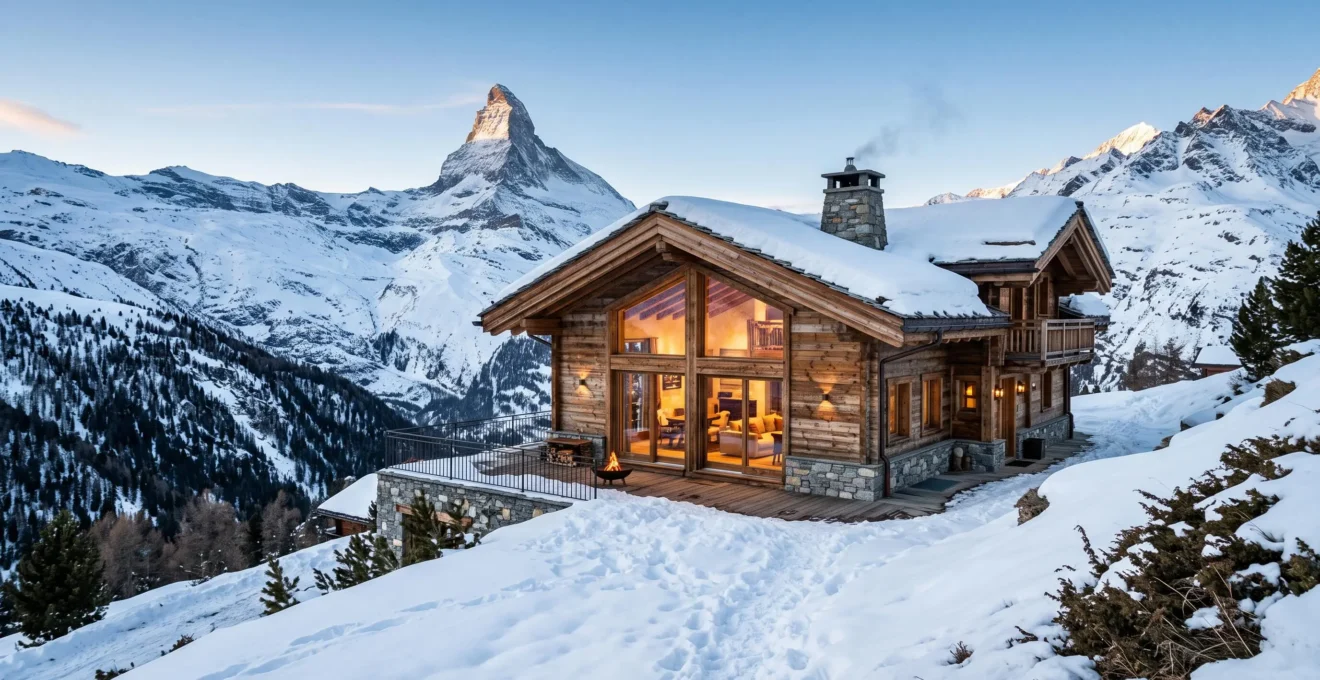
The Swiss Alps represent more than a geographic feature—they embody a lifestyle where precision engineering meets natural grandeur. Across the cantons of Valais, Graubünden, and Bern, Alpine chalets have evolved from simple mountain refuges into sophisticated residences that honour centuries-old building traditions while meeting contemporary luxury standards. Whether perched above Zermatt’s car-free streets or tucked into Verbier’s forested slopes, these properties combine direct access to some of Europe’s most prestigious ski terrain with year-round mountain activities and a quality of life balancing seclusion and world-class amenities.
Understanding what truly distinguishes an authentic Swiss chalet from standard mountain accommodation requires examining four dimensions: construction methods, location advantages, interior specifications, and the practical realities of seasonal access and ownership regulations. This article works through each of them in turn.
- Authentic Swiss chalets pair larch timber and stone foundations with modern technologies such as cross-laminated timber, triple glazing and geothermal heating.
- Location—proximity to lifts, orientation, and land scarcity—is the single most important driver of rental yield and long-term value.
- Private spas, climate-controlled wine cellars, cinema rooms and professional kitchens are now standard in the premium segment.
- Year-round appeal (via ferrata, ski touring, autumn activities) increasingly shapes both occupancy and personal enjoyment.
- Foreign buyers must navigate Lex Koller quotas and cantonal permits; renting or hybrid models offer flexible alternatives.
Alpine Architecture: Traditional Design Elements and Modern Adaptations
Before comparing resorts and price tags, the first thing to understand about a Swiss chalet is what it is made of—and why. Alpine chalet architecture has remained remarkably consistent since the 13th century, when mountain farmers developed construction methods suited to harsh conditions. The distinctive wide eaves, robust timber frames, and stone foundations were not aesthetic choices but functional responses to heavy snowfall, avalanche risk, and temperature extremes. Today’s luxury chalets maintain these essential characteristics while integrating modern performance standards, producing buildings that appear timeless yet function with 21st-century efficiency.
Timber frame construction: larch and stone foundations in Valais and Graubünden
Authentic Swiss chalets employ larch timber for their primary structural elements. This species, native to Alpine regions, contains natural resins offering exceptional weather resistance. Unlike treated softwoods, larch develops a silvered patina over decades of exposure, creating the weathered appearance associated with heritage properties. The timber frame sits atop stone foundations—traditionally granite in the Gotthard region, limestone in the Bernese Oberland—which elevate the wooden structure above the winter snowpack and provide thermal mass that moderates interior temperatures. Premium contemporary chalets source larch from sustainably managed forests at elevations above 1,200 metres, where slower growth produces denser, more durable wood with tighter growth rings.
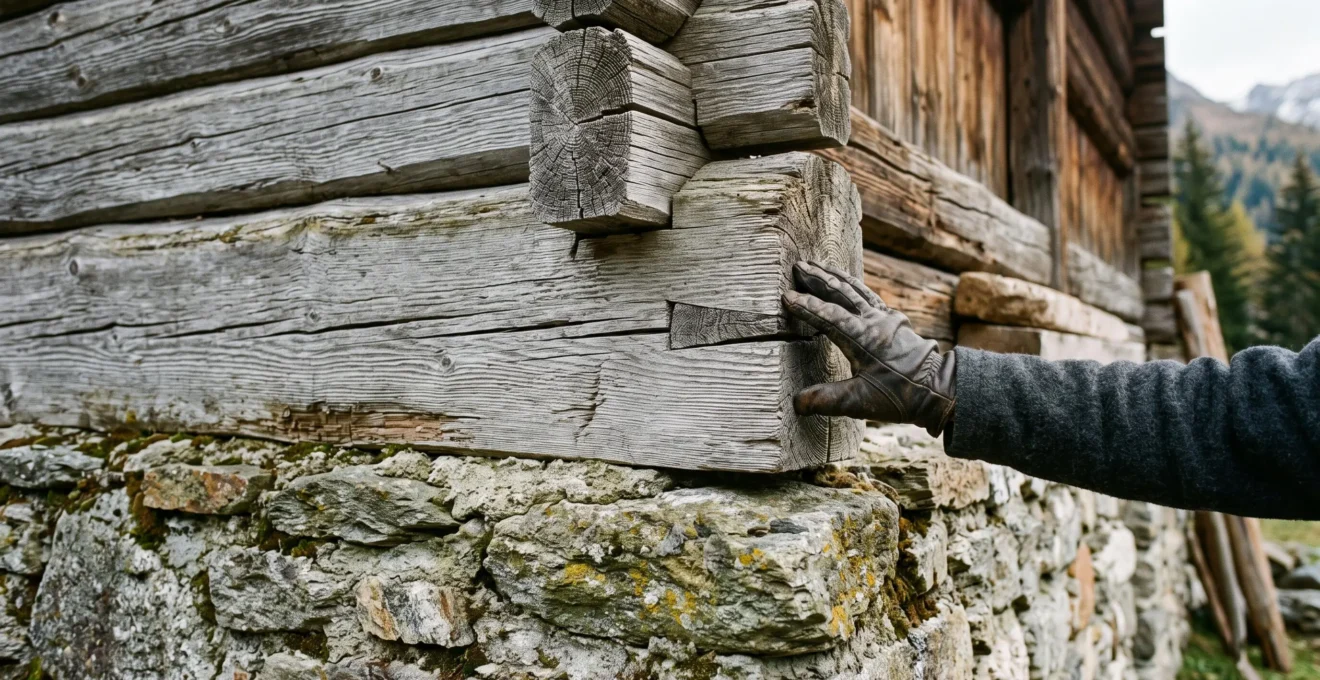
Construction methods have evolved considerably. Modern cross-laminated timber panels (CLT) now complement or replace solid beam construction in some high-specification properties, offering superior structural performance and airtightness while preserving the aesthetic of massive timber. These engineered products achieve spans impossible with conventional framing, creating open-plan living areas without intermediate support columns. Timber joinery increasingly incorporates hidden steel connections that provide earthquake resistance—a consideration in tectonically active regions such as the Engadin valley—while retaining the appearance of traditional mortise-and-tenon joints.
Mazots and raccards: heritage structures in contemporary properties
Definitions: A mazot is a small storage building resting on mushroom-shaped stone pillars; a raccard is a timber granary with ventilation gaps. Elevated bases prevented rodent access, while ventilated walls dried harvested grain.
Historical Alpine settlements included these specialised structures alongside primary dwellings, and they have since acquired new functions in luxury properties. Contemporary chalet developments often incorporate authentic mazots and raccards, relocated from abandoned Alpine settlements and meticulously restored. These heritage buildings now house guest accommodations, home offices, or wellness facilities, adding historical authenticity while providing separate spaces that enhance privacy for large groups.
The legal framework surrounding heritage structure relocation is complex. Cantonal authorities regulate the dismantling and reconstruction of traditional buildings, requiring documentation of original construction methods and materials. Properties incorporating authentic historical structures often command premium valuations, as they demonstrate both cultural stewardship and architectural distinction. Some developers commission new construction using traditional techniques—hand-hewn beams, wooden peg joinery, hand-split shingles—creating buildings indistinguishable from centuries-old structures while meeting current building codes.
Panoramic glazing: floor-to-ceiling windows without compromising thermal efficiency
The defining tension in contemporary Alpine architecture involves maximising mountain views while maintaining thermal performance in environments where winter temperatures regularly fall below -15°C. Modern triple-glazed curtain wall systems resolve this conflict through low-emissivity coatings, argon-filled cavities, and thermally broken aluminium or timber frames. In high-altitude chalets above 1,500 metres, glazing units routinely achieve U-values below 0.8 W/m²K, rivalling insulated solid walls. Structural engineers work with façade specialists to design mullion and transom systems that withstand significant wind loads and snow drift while maintaining slender sightlines, so the view—not the frame—remains the focal point.
To mitigate solar gain during intense summer periods, many Swiss chalets integrate external shading solutions, such as concealed roller shutters or motorised louvres, behind traditional wooden shutters. In practice, you can sit in a living room with a six-metre glass façade overlooking the Matterhorn, enjoying stable indoor temperatures without feeling radiant cold or heat from the glass surface. This balance of comfort and performance is one reason panoramic glazing has become a hallmark of premium chalets in Zermatt, Verbier, and the Engadin.
Geothermal heating and underfloor radiant systems in high-altitude dwellings
As sustainability moves from aspiration to expectation, geothermal heating has become increasingly common in new-build chalets and high-end renovations. Vertical ground-source heat pumps use boreholes—often drilled 150 to 300 metres deep into stable bedrock—to extract low-grade heat, which is then upgraded to supply underfloor radiant systems and domestic hot water.
40–70%
CO₂ reduction
Ground-source heat pump systems can reduce operational CO₂ emissions by 40–70% compared to conventional oil-fired boilers in cold Swiss Alpine climates, depending on grid electricity mix and system design.
Underfloor radiant heating is particularly well suited to chalet architecture, where stone or engineered-wood floors are standard. Rather than relying on convective air currents, radiant systems gently warm interior surfaces, creating a consistent thermal environment that feels as comfortable in a double-height living room as in a compact bedroom. Because supply temperatures are relatively low (typically 30–40°C), these systems pair efficiently with heat pumps and solar thermal collectors. Smart zoning allows owners to prioritise frequently used spaces—spa level, main salon, master suite—while reducing energy consumption in auxiliary rooms, translating into lower running costs and greater comfort even during cold snaps.
Prime Chalet Locations: From Zermatt to Verbier and Beyond
With the architecture understood, the next question is where to place it. Location remains the single most important variable influencing both rental yield and long-term value of a chalet in the Swiss Alps: architectural quality and interior specification rarely compensate for poor lift access, limited sun exposure, or obstructed views. Prime locations combine three factors—proximity to key lift stations, orientation towards signature peaks or valleys, and convenient yet discreet access to village amenities. Understanding the micro-geography of Zermatt, Verbier, St. Moritz, and Gstaad helps you evaluate whether a given chalet truly offers best-in-class positioning.
Zermatt: car-free resort and ski-in/ski-out properties near the Matterhorn Glacier Paradise
Zermatt’s car-free status shapes its real estate market in unique ways. Electric taxis and horse-drawn carriages handle local transport, but for most guests, the ability to walk or ski directly to lift stations is decisive. The most sought-after chalets cluster in zones with direct or near-direct access to the Matterhorn Glacier Paradise and Sunnegga–Rothorn areas. In winter, true ski-in/ski-out properties concentrate around Winkelmatten and the Furi and Findeln sectors, where careful piste planning allows chalets to sit just metres from groomed runs while maintaining privacy.
Because expansion is tightly controlled, Zermatt has a structurally limited supply of new-build chalets, pushing values steadily upward. For renters, that scarcity translates into strong competition for peak weeks, especially for properties with unobstructed Matterhorn views from living rooms, terraces, or spa areas. When assessing a Zermatt chalet, pay attention to vertical circulation times—how long it really takes to reach the Glacier Paradise cable car, Gornergrat railway, or Sunnegga funicular—since a five-minute reduction in morning transit makes a considerable difference over a two-week stay.
Verbier’s Four Valleys access: Médran and Savoleyres sectors
Verbier anchors the Four Valleys ski domain, offering over 400 kilometres of pistes and extensive off-piste itineraries. For many buyers and long-stay guests, the Médran sector—home to the main gondolas—is the gold standard for convenience. Chalets within a short walk of Médran enjoy rapid access to Les Ruinettes and beyond, reducing reliance on shuttles and taxis, which is particularly valuable for groups with children or mixed ability levels.
The Savoleyres sector, by contrast, appeals to those prioritising sun exposure, quieter surroundings, and family-friendly slopes. Chalets on the south-facing slopes of Savoleyres often command exceptional views across the Val de Bagnes, with generous terraces designed for long, late-afternoon après-ski. While access to the main Four Valleys circuit may require a short bus or car journey, many guests consider this a worthwhile trade-off for privacy and space. In both sectors, building regulations restrict density and rooflines, preserving the village’s low-rise character and protecting view corridors—a key driver of long-term value.
St. Moritz and the Engadin valley: upper village versus Bad positioning
St. Moritz occupies a unique niche, combining a century-old winter sports reputation with a cosmopolitan social calendar. The resort effectively divides into two zones: St. Moritz Dorf (upper village) and St. Moritz Bad (lower village along the lake). Chalets and residences in the upper village enjoy faster access to the Corviglia funicular and elevated views over the Engadin valley—attributes reflected in higher price points and occupancy rates. This area suits guests seeking immediate proximity to designer boutiques, gourmet restaurants, and historic grand hotels.
St. Moritz Bad offers a more relaxed atmosphere with easier access to lakeside walking trails and the Corvatsch ski area via short transfers. Contemporary chalets here often feature larger plots and more expansive spa facilities, capitalising on flat or gently sloping sites rare in the upper village. The choice comes down to priorities: instant access to Corviglia’s pistes and nightlife, or a few extra minutes of travel exchanged for additional space, privacy, and lake views. Both provide excellent entry points to the wider Engadin network of cross-country tracks, hiking routes, and mountain railways.
Gstaad–Saanen region: secluded chalets along the Glacier 3000 corridor
The Gstaad–Saanenland region differentiates itself through discretion and year-round lifestyle rather than pure ski statistics. While Gstaad village offers a compact promenade of luxury boutiques and hotels, many of the most exclusive chalets lie outside the centre, along the arterial roads towards Rougemont, Lauenen, and the Glacier 3000 access points. Properties along this corridor benefit from quieter surroundings, larger land parcels, and immediate access to hiking and touring routes that see far fewer visitors than headline ski areas.
Glacier 3000, reached via the Col du Pillon, extends the effective ski season and offers a dramatic backdrop for helicopter transfers, panoramic lunches, and off-piste adventures. Secluded chalets in the surrounding valleys often feature extended driveways, private woodland, and expansive terraces maximising southern exposure. Gstaad also applies strong controls on new construction and second-home quotas, so high-quality existing chalets in premium micro-locations are likely to retain their desirability over time. For investors who value stability and a low profile over maximum vertical drop, this region can be particularly compelling.
Identifying these micro-localisations—and the regulatory constraints attached to them—is precisely where specialist knowledge pays off. Working with an established mountain property specialist such as the Altitude Courchevel Real Estate Agency, which brings three decades of alpine real estate expertise, simplifies the evaluation and acquisition process and helps buyers pinpoint genuinely premium positioning before committing capital.
In short, an emplacement premium always comes back to the same three criteria: reliable access to lifts and amenities, favourable orientation towards signature peaks, and a scarce, well-regulated building stock that protects long-term value.
Luxury Amenities and Interior Specifications in Premium Alpine Chalets
Beyond architecture and location, modern Swiss chalets distinguish themselves through an increasingly sophisticated set of amenities. High-net-worth guests now expect private spa areas, professional-grade kitchens, and integrated entertainment systems as standard rather than optional extras. The objective is an environment where you can transition seamlessly from a morning of ski touring to an afternoon of hydrotherapy and an evening of cinema or fine dining—all without leaving the property. Understanding these interior specifications helps you evaluate whether a chalet’s asking price or rental tariff reflects its actual offering.
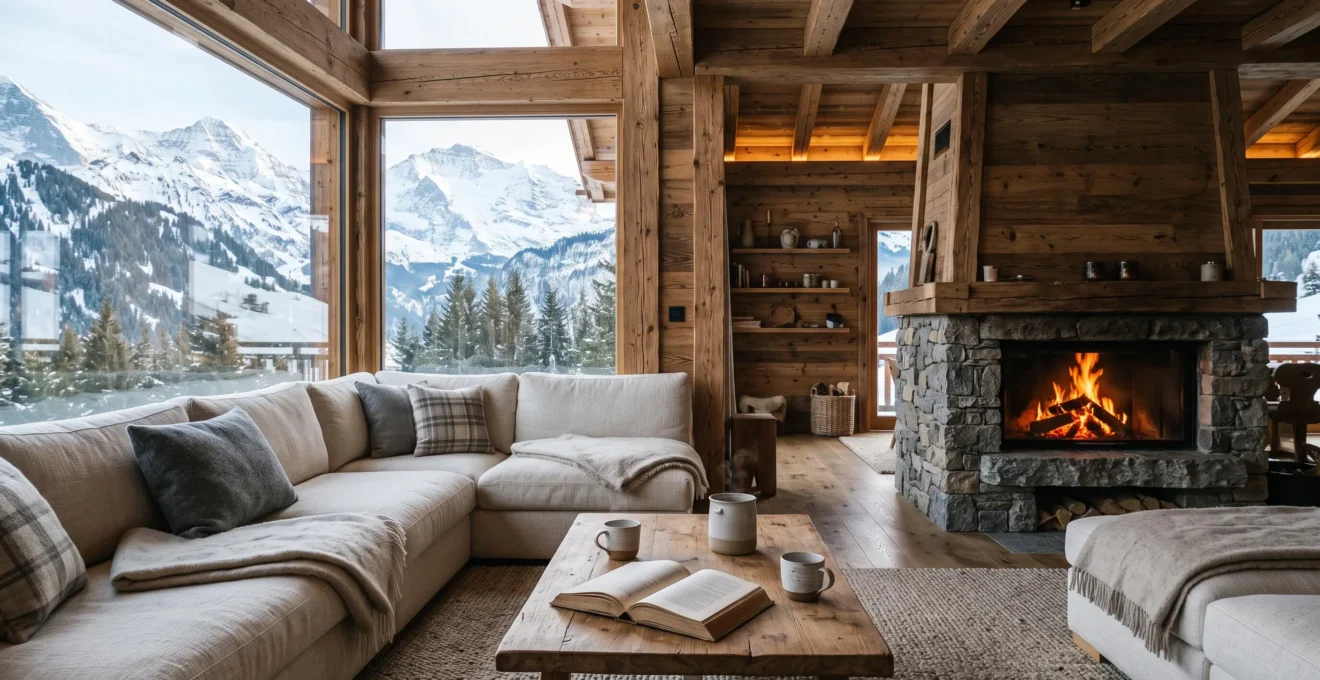
Private wellness facilities: hammam, Finnish sauna, and alpine spa circuits
Private wellness zones have evolved from simple hot tubs on exposed terraces to fully fledged spa suites rivalling boutique hotels. A typical high-end configuration includes a Finnish sauna operating at 80–90°C, a lower-temperature bio-sauna, a tiled hammam steam room with aromatic infusion, and a relaxation area with heated loungers. In some chalets, these spaces form a deliberate “spa circuit” guiding users from hot to cold and back again, incorporating experience showers, ice fountains, and plunge pools to stimulate circulation and recovery after intense activity.
Designers pay particular attention to materials in these zones, specifying non-slip stone, thermally stable timbers such as aspen or cedar, and ventilation systems that manage humidity without draughts. Ski-focused chalets often locate spa areas on lower ground floors with minimal natural light, but indirect LED lighting, acoustic ceilings, and integrated sound systems create a cocoon-like atmosphere. In summer, direct garden access allows you to step from a sauna or jacuzzi into cool evening air, strengthening the connection between indoor wellness and the surrounding Alpine landscape.
Wine cellars and humidor rooms: climate-controlled storage at altitude
Consistent temperature and humidity are essential for long-term wine storage, yet mountain environments fluctuate dramatically between seasons. To address this, many premium chalets integrate dedicated wine cellars with modern climate-control systems maintaining 10–14°C and 60–75% relative humidity. These spaces may be traditional stone vaults retrofitted with concealed cooling units, or contemporary glass-enclosed rooms displaying collections as a design feature adjacent to dining areas. In either case, racking is typically vibration-damped and oriented for easy label reading and inventory management.
Cigar aficionados often specify adjoining humidor rooms or cabinets with independent humidity controls, typically set around 65–70%. At elevations above 1,500 metres, air is notably drier, so well-sealed humidification systems become essential to preserve both wine and cigars. Some chalets go further, integrating tasting tables, seating niches, and sommelier-grade glassware that transform the cellar into a social hub—particularly valuable for extended gatherings or corporate retreats.
Cinema screening rooms with acoustic panelling and Dolby Atmos integration
Dedicated cinema rooms have become standard in the upper tier of Swiss Alps chalets, reflecting a broader trend towards “stay-in” entertainment. The most effective designs prioritise acoustics before aesthetics: walls and ceilings are lined with absorptive and diffusive panels calibrated to reduce echo and manage bass frequencies, while floating floors minimise sound transmission to surrounding rooms. Seating takes the form of tiered recliners or deep sofas arranged to preserve optimal sightlines to a large projection screen or high-luminance LED display.
Audio systems frequently support Dolby Atmos or equivalent object-based surround formats, creating a three-dimensional sound field for films and gaming alike. Control is typically handled through integrated home automation platforms, allowing you to dim lights, lower blinds, and start a screening with a single command. For multi-generational groups, a cinema room is invaluable during poor weather or rest days, providing a focal point for shared experiences that require no external bookings or transfers.
Professional-grade kitchens: La Cornue ranges and Gaggenau appliance suites
Whether you plan to cook personally or rely on a private chef, the quality and layout of the kitchen directly affect day-to-day comfort. High-spec properties frequently feature professional-grade equipment from manufacturers such as La Cornue, Gaggenau, and Miele: dual-fuel ranges with multiple ovens, integrated steam and combi ovens, warming drawers for plate service, and oversized refrigerators with separate wine columns. Induction cooktops, downdraft extractors, and dedicated prep stations are now commonplace in chalets designed for regular entertaining.
Many larger properties divide the kitchen into two zones: a show kitchen adjacent to the dining and living areas, and a separate catering kitchen where staff can work without disturbing guests. Durable, non-porous worktops such as quartz or stainless steel support hygiene and longevity, while generous pantry storage accommodates multi-day provisioning—an important consideration in resorts where premium supermarkets may be a drive or lift ride away. Islands with integrated seating and good sightlines also allow culinary experiences to become part of the chalet’s social life.
Of course, a chalet’s appeal does not stop at its walls: what you can do from the front door in July or October matters just as much as what awaits inside.
Year-Round Access: Ski Touring, Via Ferrata and Seasonal Mountain Activities
One of the core advantages of owning or renting a chalet in the Swiss Alps is the genuine year-round appeal of the region. While winter remains the headline season, summer and shoulder months increasingly attract guests seeking hiking, trail running, cycling, and wellness retreats. When evaluating a chalet, it is worth asking not only “How close am I to the nearest ski lift?” but also “What can I access from my front door in July or October?” The best-located properties offer immediate entry to both winter and summer networks, supporting strong occupancy and personal enjoyment throughout the calendar.
In summer, via ferrata routes—secured climbing paths equipped with cables, ladders, and iron rungs—allow non-expert climbers to experience exposed terrain with a high degree of safety when guided appropriately. Regions such as the Bernese Oberland, Zermatt, and the Engadin have invested heavily in such infrastructure, with graded routes suitable for families and advanced users alike. For ski touring enthusiasts, spring brings the opportunity to depart from the chalet at dawn, skins attached, and ascend quieter slopes long after lifts have closed for the season, returning to a private sauna or steam room by midday.
Autumn, often overlooked, offers clear air, stable weather windows, and quieter trails—ideal conditions for photography, e-mountain biking, and reflective retreats. Many luxury chalets now market curated seasonal experiences—gourmet mushroom foraging in September, high-altitude yoga on panoramic terraces in June, or avalanche safety courses in November—coordinated through in-house or partner concierge teams. If you value diversity of activities as much as snow depth, prioritise resorts and neighbourhoods with documented summer and autumn infrastructure, not just winter statistics. Specialised mountain concierge agencies can also tailor these programmes to each guest, from custom ski itineraries to bespoke activities, which reinforces the year-round value of a well-positioned chalet.
Rental Versus Ownership: Lex Koller Regulations and Concierge Services
For international clients, the choice between renting a Swiss Alps chalet and pursuing ownership is shaped as much by regulatory frameworks as by lifestyle preferences—and, in both cases, by the quality of professional support around the property.
Lex Koller: what non-residents can and cannot buy
Lex Koller is Switzerland’s Federal Act on the Acquisition of Real Estate by Persons Abroad. It restricts non-residents from freely acquiring residential property, particularly in regions under second-home pressure; acquisitions are only possible within cantonal quotas, designated zones and property-type classifications.
In established resort communes, many properties are already classified as second homes and may be eligible for acquisition by non-Swiss residents up to certain size thresholds—often around 200–250 m² of usable living space, though this varies. Some cantons allocate a limited number of annual purchase permits to foreigners, causing prime chalets to attract strong competition when they come to market. For larger estates or properties exceeding standard size limits, ownership structures may involve commercial classifications or hotel-like operations, which introduce different regulatory and tax considerations.
Attention: Size thresholds, quotas and eligible property types vary by canton and by commune. Early consultation with a Swiss notary and a specialist legal advisor is essential before any commitment, to avoid costly misunderstandings.
Renting as a flexible alternative—and hybrid models
Renting a chalet circumvents ownership restrictions while still granting access to top-tier properties. High-season weekly rates for luxury Swiss chalets can be significant, but they consolidate many costs—staff, utilities, local taxes, and maintenance—into a single, predictable expenditure. For those visiting only a few weeks per year or wishing to trial multiple resorts before committing capital, rental often provides greater flexibility and a lower administrative burden. An increasing number of owners also operate hybrid models, using their property personally for select weeks and entrusting the remainder of the calendar to professional rental agencies, thereby offsetting annual running costs.
- If you visit only a few weeks per year: renting usually offers more flexibility and a lower administrative burden than ownership.
- If you want to compare several resorts before investing: rent first in each candidate destination, then decide where to buy.
- If you plan extended personal use and long-term value: explore ownership within Lex Koller limits, with legal advice from the outset.
- If you buy but use the property only part of the year: a hybrid model—personal weeks plus professional rentals—can offset running costs.
Concierge services: helicopter transfers, private chefs, and mountain guides
Modern Swiss chalet hospitality extends far beyond the walls of the property itself. A dedicated concierge team—either in-house or via a specialist agency—acts as the operational backbone that transforms infrastructure into experience, from arranging helicopter transfers to stocking the pantry with local produce before arrival. In high-altitude environments with variable weather and complex transport links, such coordination is more than a luxury; it is a risk-management tool that keeps your itinerary fluid and enjoyable.
Helicopter services illustrate this particularly well. In winter, rotary transfers can reduce multi-hour ground journeys from Geneva or Zurich into sub-60-minute flights, landing at designated helipads in resorts such as Zermatt, Gstaad, and Crans-Montana. During your stay, scenic flights or heli-skiing excursions open up terrain inaccessible via standard lift systems. A capable concierge liaises with licensed operators, monitors weather windows, and aligns flight schedules with restaurant bookings or spa appointments. The same attention applies to ground transfers, whether discreet limousines, electric taxis, or classic rail journeys on panoramic routes.
Inside the chalet, private chefs and household staff shape the daily rhythm. Menu planning usually begins before arrival, accounting for dietary preferences, local specialities, and activity levels—a ski-touring week, for example, may call for higher-calorie breakfasts and recovery-focused dinners. Many chefs trained in Michelin-starred environments now split their time between city restaurants and seasonal chalet postings, bringing sophisticated techniques to inherently comforting Alpine cuisine. Meanwhile, mountain guide coordination ensures that your adventures—family snowshoe walks, technical ski touring, or multi-pitch via ferrata—are led by certified professionals familiar with the latest safety protocols and local conditions.
Ultimately, the calibre of concierge service can make the difference between a pleasant stay and an exceptional one. When comparing chalets, look beyond headline amenities and ask practical questions: Is there a dedicated pre-arrival planner? Are activities confirmed in a written itinerary? How are last-minute changes handled if weather shifts? In the Swiss Alps, where variables abound but time is finite, the right support team allows you to focus on what matters most—carving first tracks at sunrise, sharing a long lunch overlooking glacier peaks, or simply watching the light fade over the mountains from the privacy of your terrace.