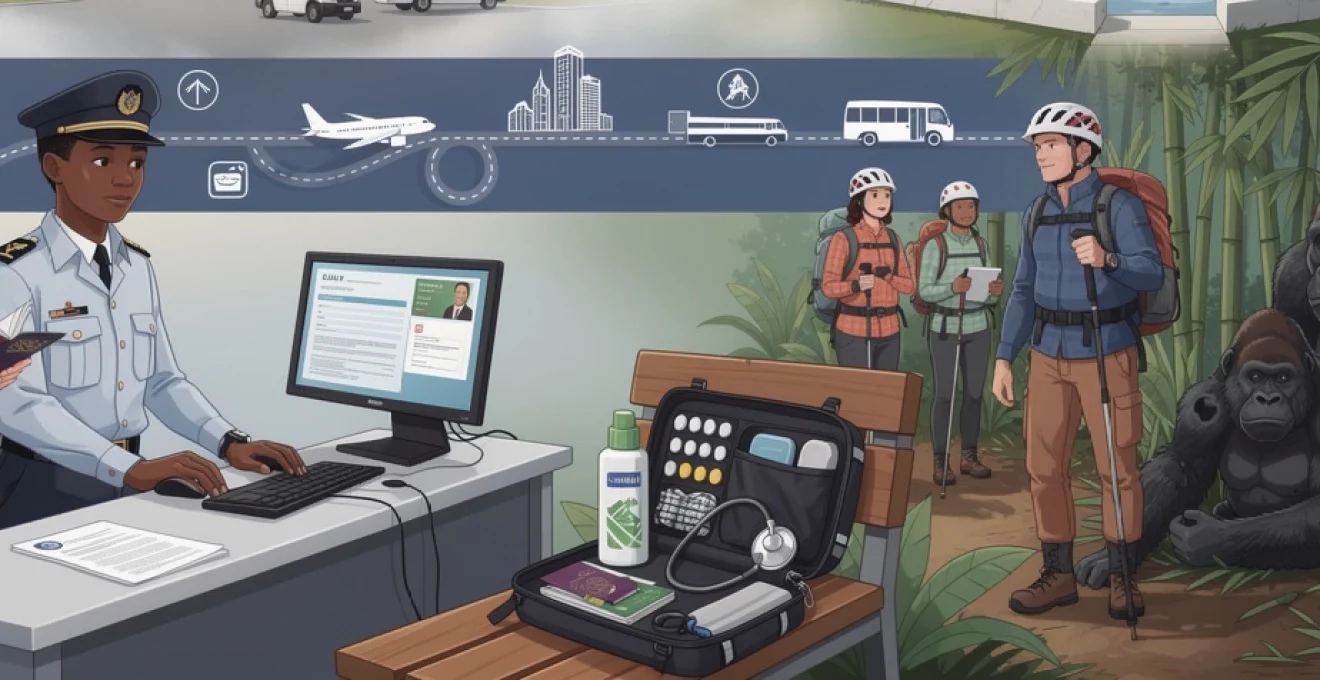
Rwanda has transformed from a nation marked by tragedy into one of Africa’s most compelling travel destinations, earning recognition as the “Land of a Thousand Hills” for its breathtaking mountainous terrain. This small yet diverse country offers visitors an extraordinary combination of wildlife encounters, cultural heritage sites, and natural beauty that rivals any destination on the continent. From the mist-covered mountains of Volcanoes National Park, where endangered mountain gorillas roam freely, to the serene waters of Lake Kivu and the bustling streets of modern Kigali, Rwanda presents a unique blend of adventure and reflection.
The country’s remarkable recovery and development over the past three decades has created a stable, safe, and increasingly accessible destination for international travellers. With world-class conservation programmes, exceptional hospitality infrastructure, and a commitment to sustainable tourism, Rwanda has positioned itself as a premium African safari destination. Whether you’re seeking life-changing wildlife encounters, meaningful cultural experiences, or simply spectacular natural landscapes, Rwanda offers experiences that will fundamentally change how you view both Africa and conservation.
Rwanda visa requirements and entry documentation procedures
Rwanda has streamlined its visa application process to welcome international visitors while maintaining necessary security protocols. The country’s progressive approach to tourism development includes simplified entry procedures that reflect its commitment to becoming a regional hub for business and leisure travel.
Electronic visa application through rwanda development board portal
The electronic visa system represents Rwanda’s commitment to digital innovation in tourism services. Applications must be submitted through the official Rwanda Development Board portal at least three days before travel, though processing typically occurs within 24 hours. The system accepts single-entry tourist visas valid for 30 days, with fees of $50 for most nationalities. Applicants require a valid passport, recent passport-style photograph, and proof of accommodation or invitation letter. The platform also facilitates multiple-entry visas for frequent visitors and business travellers, with validity periods extending up to one year.
East african community tourist visa integration benefits
Rwanda participates in the East African Community tourist visa programme, offering exceptional value for travellers planning multi-country itineraries. This innovative visa allows seamless movement between Rwanda, Kenya, and Uganda for $100, valid for 90 days from first entry. The visa eliminates the need for multiple individual visas and reduces overall travel costs while encouraging regional tourism. Travellers can enter through any of the three countries and move freely between them, making it ideal for comprehensive East African safari experiences that might include Uganda’s Bwindi Impenetrable Forest or Kenya’s Masai Mara.
Passport validity requirements and immigration processing times
Immigration authorities require passports with at least six months’ validity from entry date and a minimum of two blank pages for entry and exit stamps. Processing times at Kigali International Airport typically range from 15 to 30 minutes during peak periods, though this can extend during busy seasons or when multiple flights arrive simultaneously. Land border crossings generally process faster, particularly at major crossings like Cyanika (Uganda border) and Rusizi (Democratic Republic of Congo border). Travellers should ensure their documentation is complete and readily accessible to expedite processing.
Yellow fever vaccination certificate compliance standards
Yellow fever vaccination certificates are mandatory for travellers arriving from countries with yellow fever transmission risk, including most of sub-Saharan Africa and parts of South America. The vaccination must be administered at least 10 days before travel and certificates remain valid for life according to current International Health Regulations. Immigration officials strictly enforce this requirement, and travellers without proper documentation face deportation or quarantine. Even transit passengers from affected countries require valid certificates, making this one of the most critical health requirements for Rwanda travel.
Essential health preparations and medical safety protocols
Rwanda’s healthcare system has developed significantly, particularly in urban areas, but proper health preparations remain essential for international visitors. The country’s unique geography, from low-lying lakes to high-altitude mountains, creates diverse health considerations that require careful planning and appropriate preventive measures.
Malaria prophylaxis recommendations for kigali and provincial regions
Malaria risk varies significantly across Rwanda’s different altitudinal zones, requiring tailored prevention strategies. Kigali, situated at 1,
567 metres above sea level, has a relatively low malaria risk compared with Rwanda’s hotter, lower-altitude regions. However, malaria transmission still occurs, especially after the rainy seasons from March to May and September to November. For short stays focused on Kigali and highland areas, some travellers choose strict bite-prevention measures only, while others, in consultation with a travel clinic, opt for chemoprophylaxis such as atovaquone-proguanil, doxycycline, or mefloquine. If your Rwanda itinerary includes low-lying border regions or Lake Kivu, most doctors strongly recommend taking prophylaxis throughout your stay. Whatever you decide, combine medication with high-quality insect repellent (20–30% DEET or equivalent), long sleeves in the evenings, and sleeping under a treated mosquito net where available.
Because malaria symptoms can appear up to several weeks after exposure, it is vital to monitor your health once you leave Rwanda as well. If you develop flu-like symptoms such as fever, chills, headache, or body aches during or after your trip, seek medical care immediately and tell the clinician you have recently visited a malaria-endemic country. Rapid diagnostic tests are widely available in Rwanda, particularly in Kigali, but rural clinics may have fewer resources, so early presentation is key. Think of malaria prevention as a layered defence system: each measure (medication, repellent, clothing, nets) adds another barrier, significantly reducing your risk when combined.
High altitude acclimatisation guidelines for volcanoes national park
Volcanoes National Park sits between 2,400 and over 4,500 metres, meaning many travellers will experience moderate to high altitude during gorilla trekking or volcano hikes. While most visitors tolerate these conditions well, the reduced oxygen can cause shortness of breath, mild headaches, or fatigue, especially on the steeper trails. To help your body adjust, plan at least one night in Musanze or a nearby lodge (around 1,800–2,000 metres) before your first trek, and avoid scheduling a strenuous hike immediately after a long-haul flight. Walking slowly, staying well hydrated, and taking regular breaks with your trekking group are simple but effective ways to minimise discomfort.
If you have a history of heart or lung disease, or have previously suffered from altitude sickness, discuss your Rwanda travel plans with your doctor before booking Volcanoes National Park activities. Some travellers may be prescribed acetazolamide to improve acclimatisation, but this should only be taken under medical supervision. Remember that weather on the volcanoes can change quickly, making conditions feel more demanding than the altitude alone suggests. Carry layered clothing, rain protection, and energy-rich snacks so you can focus on the experience rather than your comfort. If at any point you feel severe dizziness, chest pain, or confusion, inform your guide immediately—safety always comes before reaching a summit.
Comprehensive travel insurance coverage for adventure tourism activities
Given Rwanda’s emphasis on outdoor adventure—from gorilla trekking and chimpanzee tracking to multi-day hikes and boat excursions—comprehensive travel insurance is more than a formality. Many standard policies exclude “high-risk” or “adventure” activities, so you should confirm that gorilla trekking, volcano hiking, and any planned water sports are explicitly covered. Look for a policy that includes emergency medical treatment, hospitalisation, medical evacuation to your home country or a regional hub, and trip interruption or cancellation. For travellers investing in high-value permits and luxury lodges, insuring non-refundable costs provides an extra layer of financial security if your plans change unexpectedly.
It is worth checking whether your insurer can coordinate directly with hospitals in Kigali or regional facilities, as this can speed up treatment and reduce out-of-pocket expenses. Keep both digital and printed copies of your policy, including emergency contact numbers, and share these details with a travel companion or your tour operator. If you plan to self-drive or participate in activities such as mountain biking or kayaking, verify that personal liability and vehicle-related incidents fall within your coverage. Think of a robust insurance policy as your safety net: you hope never to use it, but you will be very glad it is there if you need it.
Medical facility access in kigali central hospital and provincial health centres
Medical care in Rwanda is most advanced in Kigali, where facilities such as King Faisal Hospital and the University Teaching Hospital of Kigali offer a range of specialist services, imaging, and emergency care. These hospitals are accustomed to treating international visitors and often have English-speaking staff, making communication easier if you require treatment. For minor issues—such as dehydration, mild infections, or basic injuries—private clinics and pharmacies in the capital can usually provide prompt assistance. Payment is typically required upfront, so carrying a credit card and some US dollars or Rwandan francs is advisable.
Outside Kigali, provincial health centres and district hospitals provide essential services to local communities, but resources and diagnostic equipment may be more limited. In areas around popular tourist sites such as Musanze, Gisenyi, and Huye, you can still expect basic emergency care and initial stabilisation. However, serious conditions often require transfer back to the capital. When planning remote activities in places like Nyungwe Forest or Akagera National Park, factor in the time it would take to reach a higher-level facility in the event of an emergency. This is where a combination of well-chosen accommodation, reputable tour operators, and strong travel insurance gives you genuine peace of mind.
Transportation infrastructure and regional connectivity solutions
Rwanda’s compact size and rapidly improving infrastructure make it surprisingly easy to traverse compared with many other African destinations. Kigali International Airport serves as the primary gateway, with RwandAir and other regional carriers connecting the capital to major African hubs and selected European and Middle Eastern cities. Once in the country, a well-maintained network of paved roads links Kigali to key tourism regions, including Volcanoes National Park, Lake Kivu, Nyungwe Forest, and Akagera National Park. Travel times are generally manageable—most popular destinations lie within four to six hours’ drive of the capital—allowing you to build a varied itinerary without long days in transit.
For independent travellers, private drivers and guided transfers offer the most comfortable and efficient way to explore Rwanda. Many lodges and tour operators can arrange door-to-door transport, often in robust 4×4 vehicles suited to rural and park roads. Self-driving is possible for confident drivers familiar with African road conditions, but you should be prepared for occasional livestock, pedestrians, and variable signage, especially at night. Public transport, primarily in the form of minibuses and larger coaches, connects major towns at very low cost; however, it is best suited to experienced travellers with flexible schedules rather than those rushing between fixed safari bookings. Planning your transport early—particularly during peak seasons around July–September and December—helps ensure you secure reliable vehicles and experienced drivers.
Volcanoes national park gorilla trekking experience framework
Volcanoes National Park is the cornerstone of most Rwanda itineraries, thanks to its world-famous mountain gorilla encounters and dramatic volcanic landscapes. The park operates one of the most carefully managed gorilla tourism programmes in the world, balancing close-up wildlife experiences with strict conservation and health protocols. Daily permits are limited to protect the habituated gorilla families and minimise environmental impact, creating an exclusive and highly regulated experience. As you plan your visit, it helps to understand how permits are issued, how trekking groups are organised, and what to expect on the day—both in terms of physical effort and emotional impact.
Mountain gorilla habituation programme permit acquisition process
Securing a gorilla trekking permit is the most important step in planning your Volcanoes National Park visit. Rwanda currently issues a limited number of permits per day, each allowing one hour with an allocated gorilla family, and demand can be intense in peak season. Permits are administered by the Rwanda Development Board and can be obtained either directly through their offices or, more commonly, via licensed tour operators and lodges. The standard permit fee is US$1,500 per person, reflecting Rwanda’s premium conservation model and the significant resources required to monitor and protect the gorillas. Booking at least three to six months in advance is strongly recommended, especially if your dates are fixed.
On the morning of your trek, you will be assigned to a specific gorilla family based on your fitness level, interests, and current gorilla locations. Some families are closer to the park boundary and require shorter, less strenuous walks, while others may involve several hours of hiking through dense vegetation and steep, muddy slopes. Rangers and trackers head out before dawn to locate each group, then relay information back to the park headquarters to coordinate visitor assignments. This careful system ensures that both the animals’ welfare and your safety remain central at all times. If you are planning a multi-day visit, let your operator know whether you prefer easier walks or are keen on more challenging routes so they can advocate for suitable allocations.
Dian fossey research centre historical significance and visitor access
The story of mountain gorilla conservation in Rwanda is inseparable from the legacy of primatologist Dian Fossey, whose work in the Virunga Mountains brought global attention to these endangered animals. Her pioneering research, beginning in the late 1960s, helped transform local and international attitudes towards gorillas, shifting them from feared “forest monsters” to highly intelligent, family-oriented primates deserving of protection. Although Fossey’s life ended tragically in 1985, her influence lives on through the Dian Fossey Gorilla Fund, which continues research and community-based conservation initiatives in Rwanda and the wider region. Visiting the research centre or her former camp offers a deeper context for the gorilla trekking experience, turning a single day’s encounter into part of a much longer conservation story.
Travellers can access educational exhibits and guided hikes that trace the history of Fossey’s work, including the trek to the site of her grave at the former Karisoke Research Center between Mount Karisimbi and Mount Bisoke. This hike is moderately challenging, often muddy, and typically takes six to eight hours round-trip, making it suitable for reasonably fit visitors seeking more than a standard gorilla trek. Along the way, guides share insights into Fossey’s life, the threats gorillas once faced from poaching and habitat loss, and how community engagement has become central to modern conservation strategies. For many visitors, standing at Fossey’s grave amid the misty forest is a powerful moment that adds emotional depth to their time in Rwanda.
Professional guide assignment and safety protocol implementation
Every gorilla trek in Volcanoes National Park is led by highly trained rangers and trackers, whose intimate knowledge of the forest and its wildlife ensures both safety and minimal disturbance to the animals. Before departure, you will attend a briefing at park headquarters where guides explain the rules of gorilla trekking: maintaining a minimum distance of 7 metres when possible, staying in a tight group, avoiding direct eye contact, and keeping voices low. You will also receive instructions on what to do if a gorilla approaches or displays dominant behaviour—usually, this involves remaining still, avoiding sudden movements, and following the ranger’s cues. These protocols might feel strict, but they are crucial to protecting both you and the gorillas from stress and disease.
Health precautions are taken very seriously, given the genetic similarity between humans and gorillas and the risk of cross-species infection. If you are unwell on the morning of your trek—especially with flu-like symptoms—you are expected to declare this to staff, who may reschedule your visit or offer an alternative activity. Face masks are often required or encouraged near the gorillas, and group sizes are limited to a maximum of eight visitors per family. Porters are available for hire at the trailhead and are highly recommended; hiring one not only eases your own physical burden but also provides valuable income to local communities, strengthening the link between tourism and conservation.
Bisoke and karisimbi volcanic hiking trail classifications
Beyond gorilla trekking, Volcanoes National Park offers rewarding climbs on several volcanic peaks, the most popular being Mount Bisoke and Mount Karisimbi. Mount Bisoke, rising to 3,711 metres, is often considered a challenging day hike, with steep, muddy sections and unpredictable weather, but the reward is a spectacular crater lake at the summit when clouds permit. The ascent typically takes three to four hours up and two to three hours down, depending on trail conditions and group fitness. This trail is best suited to reasonably fit hikers comfortable with sustained climbing and potentially difficult footing. Proper hiking boots, gaiters, and waterproof clothing are essential, and trekking poles can make a significant difference on the descent.
Mount Karisimbi, at 4,507 metres, is the highest peak in the Virunga range on the Rwandan side and is usually tackled as a two-day expedition with an overnight camp. The altitude and length of the trek mean that acclimatisation is more important, and the trail is generally recommended only for experienced hikers in good physical condition. Weather on Karisimbi can be harsh, with cold temperatures, wind, and heavy rain possible at any time of year, so you should be prepared for alpine-like conditions despite being close to the equator. Both Bisoke and Karisimbi hikes must be arranged through park authorities or licensed tour operators, with mandatory guides and porters accompanying every group. If you are unsure which trail suits you best, discuss your fitness level and expectations with your operator; choosing the right volcano hike can be the difference between a gruelling ordeal and an unforgettable adventure.
Cultural heritage sites and genocide memorial educational tourism
Rwanda’s natural beauty and wildlife are only part of its story; understanding the country today also means engaging with its complex and often painful recent history. Genocide memorials and cultural heritage sites across the country provide spaces for remembrance, education, and reflection on the events of 1994 and their aftermath. Visiting these sites can be emotionally challenging, but many travellers consider them an essential component of a responsible Rwanda itinerary. By learning about the genocide and the country’s remarkable journey towards reconciliation, you gain a deeper appreciation of the resilience and dignity of the Rwandan people you meet along the way.
Kigali genocide memorial centre guided tour programmes
The Kigali Genocide Memorial is the country’s principal site of remembrance and a powerful starting point for understanding Rwanda’s recent past. Located in the Gisozi district of the capital, the memorial serves both as a mass burial site for over 250,000 victims and as an educational museum. Guided tours—often supported by an excellent audio guide—lead you through chronological exhibitions that detail the historical roots of ethnic division, the 100 days of mass killing in 1994, and the ongoing process of justice and reconciliation. Photographs, personal testimonies, and artefacts make the narrative deeply personal, moving it beyond statistics to individual lives and stories.
While entry is free, donations are encouraged and directly support the memorial’s educational and peacebuilding programmes. Visits typically last between one and three hours, depending on how much time you spend with the exhibits and the gardens of reflection outside. Many travellers choose to visit the Kigali Genocide Memorial at the beginning of their trip, allowing the experience to frame their understanding of what they see elsewhere in the country. Given the emotional intensity of the exhibits, it is wise to allow some quiet time afterwards, perhaps at a nearby café or back at your hotel, to process what you have learned.
Murambi technical school memorial site historical context
The Murambi Genocide Memorial, located near the town of Nyamagabe in southern Rwanda, occupies the grounds of a former technical school where tens of thousands of Tutsis sought refuge in 1994. Instead of protection, they faced one of the most devastating massacres of the genocide, carried out over a single night. Today, the site has been preserved as a stark reminder of those events, with some classrooms left as they were found and others housing carefully curated displays about the lead-up to the killings and their aftermath. Visiting Murambi offers a more rural and visceral perspective than the Kigali memorial, showing how violence unfolded far from the capital as well.
Guides—often survivors or relatives of victims—share the site’s history with great courage and sincerity, answering questions and contextualising what you see. Many travellers describe Murambi as one of the most difficult yet important places they have ever visited. If your Rwanda itinerary includes Nyungwe Forest or the southern region, planning a stop at Murambi adds historical depth to a route that is otherwise focused mainly on nature. As with all genocide memorials, photography guidelines vary by area, so always ask permission and approach the site with quiet respect.
Nyamata and ntarama church memorial preservation initiatives
South of Kigali, the churches of Nyamata and Ntarama have been preserved as memorials to the thousands who were killed there after seeking sanctuary during the genocide. The buildings stand largely as they were in 1994, with bullet holes, bloodstained clothing, and other artefacts telling their own silent story. At Nyamata, mass graves beneath the church hold the remains of many victims, while Ntarama’s smaller church and surrounding buildings have been converted into exhibition spaces. These sites are particularly poignant because they highlight the betrayal of traditional places of refuge and the vulnerability of those who fled to them.
Preservation initiatives at both memorials aim not only to honour the dead but also to educate younger generations and international visitors. Local guides explain the significance of specific items and spaces, as well as the broader patterns of violence in the region at the time. Visiting Nyamata and Ntarama often takes half a day from Kigali and can be combined, providing a powerful and intimate complement to the larger-scale narrative at the capital’s main memorial. As you walk through these churches, you may find that silence speaks louder than any exhibit text, underscoring the human cost behind Rwanda’s impressive recovery.
Unity and reconciliation commission community engagement projects
While memorials look back, Rwanda’s Unity and Reconciliation Commission focuses firmly on building a peaceful, shared future. Established to address the deep divisions left by the genocide, the Commission supports a range of community-based initiatives aimed at fostering trust, dialogue, and social cohesion. These include ingando (solidarity camps), community courts known as gacaca during the post-genocide justice phase, and ongoing programmes that bring together survivors, perpetrators, and their families for facilitated discussions. For visitors, learning about these efforts adds another dimension to the narrative of Rwanda as a safe, forward-looking country.
Some specialised tour operators and civil society organisations can arrange meetings or discussions with community groups involved in reconciliation projects, particularly for travellers with a strong interest in human rights, post-conflict recovery, or peacebuilding. These encounters are typically highly structured and carefully managed to protect participants’ dignity and emotional wellbeing. If you are fortunate enough to join such a session, approach it with humility and an open mind, recognising that you are being given a rare window into a complex, ongoing process. Understanding how Rwanda has moved from mass violence to relative stability in less than three decades can be one of the most inspiring aspects of your visit.
Accommodation standards and hospitality infrastructure assessment
Rwanda’s hospitality sector has expanded rapidly in recent years, offering a wide spectrum of accommodation options that range from budget guesthouses to ultra-luxury lodges. In Kigali, international-brand hotels sit alongside boutique properties and serviced apartments, providing reliable choices for both leisure and business travellers. Outside the capital, you will find a growing number of eco-lodges, safari camps, and community-based stays catering to visitors heading to Volcanoes National Park, Lake Kivu, Nyungwe, and Akagera. While star ratings may not always align perfectly with Western expectations, overall standards of cleanliness, safety, and service are high, especially in properties that regularly host international guests.
Near Volcanoes National Park, premium lodges offer all-inclusive experiences with fine dining, spa treatments, and private butler service, designed to complement the exclusivity of gorilla trekking permits. Mid-range guesthouses in Musanze and the surrounding countryside provide comfortable rooms, hearty meals, and warm local hospitality at more accessible price points. Around Lake Kivu, lakeside resorts and smaller eco-lodges specialise in relaxation, with activities such as kayaking, boat trips, and nature walks. In Nyungwe and Akagera, accommodation options vary from top-end international brands to simpler camps and government-run facilities, so it pays to research carefully and read recent reviews to match your expectations with reality.
One of Rwanda’s strengths is its emphasis on sustainability and community benefit within the tourism sector. Many lodges employ local staff, source produce from nearby farmers, and contribute a portion of their revenue to conservation or social projects. When choosing where to stay, consider not only comfort and location but also the impact your spending has on surrounding communities. Asking questions about staff training, local partnerships, and conservation initiatives can help you identify properties that align with your values. In doing so, you become part of Rwanda’s broader vision for tourism: a tool for economic development, environmental protection, and long-term peace.