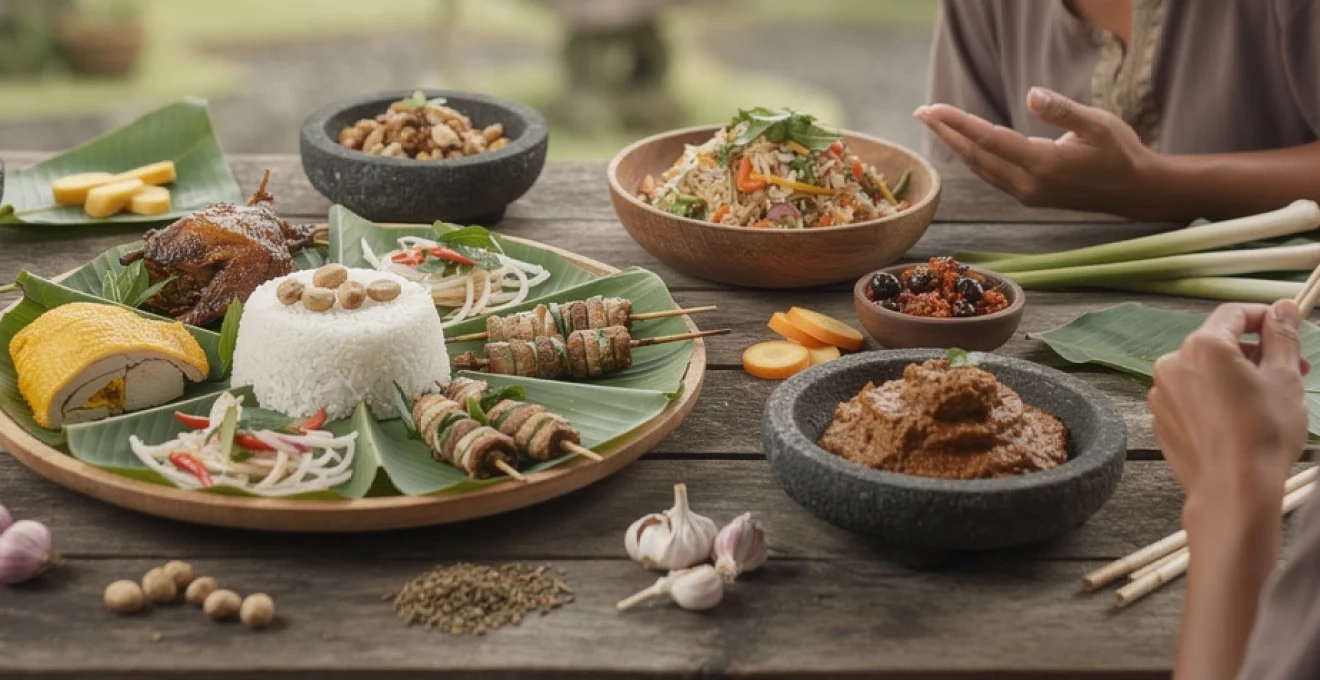
The culinary landscape of Bali represents far more than a collection of recipes—it embodies centuries of Hindu-Balinese tradition, agricultural abundance, and spiritual devotion. From the smoky, aromatic spice pastes ground fresh each morning in village kitchens to the ceremonial dishes once reserved exclusively for temple offerings, Balinese cuisine delivers an intensity of flavour unmatched across the Indonesian archipelago. The island’s volcanic soil produces an extraordinary variety of herbs, spices, and vegetables, whilst its coastal waters provide abundant seafood. This convergence of land and sea, combined with deeply rooted cooking techniques passed through generations, creates a gastronomic experience that challenges your palate whilst revealing the soul of Balinese culture. For first-time visitors navigating Bali’s food scene, understanding the foundational elements—the complex spice pastes, traditional cooking methods, and ceremonial significance—transforms each meal from simple sustenance into an authentic cultural encounter.
Foundational flavours: understanding balinese base gede and spice paste traditions
Every authentic Balinese dish begins with a bumbu, or spice paste, laboriously ground by hand using a cobek (mortar) and ulekan (pestle) crafted from volcanic stone. These pastes form the aromatic foundation that distinguishes Balinese cooking from other Indonesian regional cuisines. Unlike the quick curry pastes found elsewhere in Southeast Asia, Balinese spice mixtures demand patience, precision, and an intimate understanding of how individual components harmonise. The practice of grinding spices by hand isn’t merely tradition—the friction and gradual breakdown of ingredients releases essential oils and creates textural nuances impossible to replicate with modern food processors. When you taste a properly prepared Balinese dish, you’re experiencing the culmination of techniques refined over centuries, where each spice performs a specific role in the flavour architecture.
Base gede composition: shallots, garlic, and candlenut ratios
Base gede, literally meaning “large spice paste,” serves as the most fundamental building block in Balinese cookery. This comprehensive mixture typically contains shallots, garlic, candlenuts, turmeric, ginger, galangal, black pepper, coriander seeds, and dried chillies. The ratio of shallots to garlic generally sits at approximately 3:1, creating a sweet-savoury foundation that doesn’t overwhelm the palate with harsh garlic notes. Candlenuts, known locally as kemiri, contribute a creamy texture and subtle nuttiness whilst acting as a natural thickening agent. Traditional practitioners insist on using between six to eight candlenuts for every ten shallots, though these proportions vary according to regional preferences and the specific dish being prepared. The base gede becomes the cornerstone for countless preparations—from the stuffing inside suckling pig to the marinade coating ceremonial duck.
Bumbu rajang: the role of lesser galangal and kencur in aromatic profiles
Whilst base gede provides the foundational flavour, bumbu rajang introduces the distinctly Balinese aromatic signature through the strategic use of rhizomes. Lesser galangal (kencur) delivers an intensely peppery, almost medicinal quality that differentiates Balinese cuisine from the sweeter profiles of neighbouring Java. When combined with standard galangal (lengkuas), the resulting complexity creates layers of flavour that unfold gradually across your palate. The proportions matter tremendously—too much kencur produces an overwhelming camphor-like taste, whilst insufficient quantities leave the dish tasting flat. Experienced cooks assess the freshness of their kencur by the strength of its aroma and the moisture content of the flesh. You’ll recognise properly balanced bumbu rajang by its penetrating fragrance and the way it coats your mouth with warming spice without burning heat.
Sambal matah: raw shallot and lemongrass condiment techniques
Breaking from the tradition of cooked condiments found
elsewhere in Indonesia, sambal matah is left largely raw, preserving the brightness of shallots, lemongrass, kaffir lime leaves, and bird’s eye chillies. The key technique is in the knife work: ingredients are sliced paper-thin rather than roughly chopped, which releases aroma without turning the mixture into a pulp. Just before serving, hot coconut oil is poured over the aromatics to “wake up” the flavours, lightly wilting the shallots while keeping the condiment vibrant and fresh. A squeeze of local lime and a pinch of salt balance the heat, making sambal matah an ideal partner for grilled fish, roast chicken, or even simple steamed vegetables. When you sit down to a plate of Balinese food for the first time, this fiery, citrusy relish is often what hooks you.
Basa genep: the complete spice matrix for ceremonial dishes
If base gede is the everyday backbone of Balinese cuisine, basa genep represents its fully realised form—an extensive “complete seasoning” used for major dishes and religious ceremonies. This complex paste can contain more than a dozen ingredients, typically including shallots, garlic, candlenut, turmeric, galangal, lesser galangal, ginger, coriander, white pepper, black pepper, nutmeg, cloves, and sometimes fermented shrimp paste. Each component contributes a specific note, from the warmth of nutmeg to the camphorous kick of cloves, resulting in a flavour profile that is deep, layered, and slightly smoky when sautéed. Preparing basa genep is a time-intensive process, often carried out collectively before temple festivals and family rituals.
In practice, basa genep functions much like a master stock in Chinese cooking—it’s adapted and diluted according to the dish, whether that’s poultry, pork, or vegetables. The paste is usually fried slowly in coconut oil until aromatic and caramelised, a stage locals call matang bumbu, when the raw edge of the spices has softened and the oil glows a deep orange. For travellers keen to understand traditional Balinese cuisine beyond the plate, watching a cook assemble basa genep is like seeing the island’s culinary DNA being written in real time. Once you recognise its scent, you’ll start noticing it in many of Bali’s most memorable dishes, from bebek betutu to richly seasoned lawar.
Babi guling: suckling pig preparation and traditional spit-roasting methods
Among all traditional Balinese foods, babi guling—spit-roasted suckling pig—is perhaps the most iconic. Originally reserved for major Hindu ceremonies and communal celebrations, it is now accessible in specialist warungs across the island, particularly around Ubud, Denpasar, and Seminyak. At its best, babi guling delivers an extraordinary contrast: shatteringly crisp skin, succulent meat perfumed with spices, and a rich stuffing of leaves and aromatics that soak up the roasting juices. Yet behind this seemingly simple feast lies a carefully choreographed process that can take half a day from preparation to serving. Understanding how Balinese cooks handle marinade, stuffing, and fire will help you appreciate why locals travel across the island for a single plate.
Turmeric and coriander seed marinade applications for crispy skin
The hallmark of great babi guling is its lacquered, golden skin. Achieving that signature crispness starts well before the pig meets the fire, with a meticulous marinade built on turmeric, coriander seeds, garlic, shallots, and salt. Turmeric lends colour and a gentle earthiness, while ground coriander provides citrusy warmth that penetrates the meat without overpowering it. After the animal is cleaned, the outer skin is rubbed generously with this paste, often thinned slightly with coconut oil or water to ensure even coverage. Inside the cavity, a stronger version of the same spice mixture is applied directly to the flesh, concentrating flavour where the meat is thickest.
To promote blistering and crispness, many traditional cooks rinse the skin first with hot water, then dry it thoroughly in the shade before rubbing on the turmeric-coriander mixture. The drying process tightens the skin and reduces surface moisture, much like air-drying duck for Peking duck preparations in Chinese cuisine. During roasting, the combination of salt and turmeric helps draw out residual moisture, allowing the skin to puff and crackle rather than simply turning tough. When you bite through a well-made babi guling crust that fractures cleanly before giving way to juicy meat, you’re tasting the result of this precise, almost scientific approach to marinade and skin preparation.
Cassava leaf stuffing: jukut ares as essential inner component
Beyond the spices on the surface, what goes inside the pig is equally important. Many traditional versions of babi guling are stuffed with a mixture of cassava leaves, grated coconut, base gede, and sometimes stalks of young banana trunk. This stuffing, often referred to as part of jukut ares (a vegetable and banana trunk preparation), acts like a flavour sponge, absorbing rendered fat and spice-laden juices throughout the slow roast. Cassava leaves provide a slight bitterness and robust texture that balance the richness of the pork, while grated coconut toasts gently from within, adding nutty sweetness to the final dish.
From a practical viewpoint, packing the cavity tightly with leaves and aromatics also helps the pig maintain an even shape on the spit, promoting uniform cooking. As the animal rotates, the stuffing steams and roasts at the same time, becoming a savoury side dish in its own right once the pig is carved. When you order babi guling from a busy warung, notice the spoonfuls of dark green vegetables mixed with coconut on your plate—that’s often the transformed stuffing, intensely flavoured and not to be skipped. Together, the seasoned meat, crispy skin, and richly scented cassava leaves illustrate how Balinese cuisine wastes nothing while layering flavour at every stage.
Wood-fired roasting: temperature control and rotation techniques
Traditional babi guling is roasted over a long, horizontal wood fire, usually fuelled by coconut husks or hardwood that burns hot and clean. There are no digital thermometers or rotisserie motors here; instead, experienced pit masters rely on sight, smell, and touch to manage temperature and cooking time. The pig is mounted on a sturdy bamboo or metal spit and hand-rotated continuously for several hours, ensuring that fat renders slowly and bastes the skin evenly. If certain areas begin to darken too quickly, coals are raked away or the height of the spit is adjusted—a constant dance between heat and distance.
Because whole animals have varying thicknesses of meat, mastering babi guling means understanding how to balance intense, direct heat with longer periods of gentler roasting. Think of it like manually controlling the heat zones on a grill while turning a very large, very delicate piece of meat. Many cooks test doneness by piercing the thickest parts of the shoulder or hind leg and checking the colour and clarity of the juices. For visitors watching the process at roadside stalls or village ceremonies, the hypnotic rhythm of the rotating spit and crackling fire is an experience in itself, offering a sensory introduction to Balinese food culture long before the first slice hits your plate.
Accompaniments: lawar, sambal matah, and steamed rice pairings
A plate of babi guling is rarely served alone; its accompaniments are carefully chosen to balance richness with freshness and heat. Most servings include a mound of steamed white rice, a spoonful or two of lawar (a minced meat and vegetable salad), a shard of crackling, and at least one type of sambal, often sambal matah. The neutral rice provides a calming backdrop that allows you to appreciate the complexity of the spices without fatigue, while lawar contributes texture and a vegetal counterpoint to the fatty pork. Fresh herbs, lime, and grated coconut in the lawar cut through the heaviness of the meat, making each bite feel surprisingly light.
Sambal matah brings the final dimension—raw heat and citrus that sharpen the overall flavour profile. Many warungs will also include a simple clear soup, sometimes made from the bones and offcuts of the pig, to sip between mouthfuls and reset your palate. When you encounter babi guling on a menu, think of it not as a single dish but as a composed set, where each supporting element is designed to highlight a different aspect of the central roast. Trying all the accompaniments together is one of the easiest ways to understand how traditional Balinese cuisine balances salty, sour, spicy, and savoury in a single meal.
Bebek betutu: slow-cooked duck in banana leaf parcels
If babi guling is the dramatic centrepiece of village feasts, bebek betutu is the slow-burn ceremonial dish that showcases Bali’s mastery of spice and time. This preparation of duck, heavily seasoned and wrapped in layers of banana leaf before being cooked for many hours, was once reserved for temple anniversaries and major life-cycle rituals. Today, you’ll find it on the menus of both traditional warungs and refined restaurants, often as a pre-order item due to its lengthy cooking process. The result is duck so tender it almost collapses at the touch of a fork, saturated with a smoky, aromatic spice paste that feels more like a marinade and braising liquid combined.
Base betutu spice blend: ginger, turmeric, and black pepper proportions
The flavour of bebek betutu hinges on its eponymous spice blend, base betutu, a cousin of base gede that leans more heavily on warming rhizomes and pepper. Ginger and turmeric form the backbone, typically in near-equal proportions, supported by galangal, garlic, shallots, candlenuts, coriander, and abundant black pepper. Compared to everyday base gede, the ratio of black pepper is noticeably higher, giving betutu its characteristic slow, building heat rather than a sharp chilli burn. Some regional recipes also incorporate smoked or roasted spices, deepening the savoury notes and adding a faint bitterness that balances the natural fattiness of duck.
In traditional kitchens, base betutu is applied in generous quantities both inside and outside the bird, ensuring that every fibre of the meat is in contact with spices during the long cook. The duck is sometimes pricked or lightly scored to help the paste penetrate, much like marinating a leg of lamb. Because the spice paste is so assertive, salt levels are carefully controlled—too much and the finished dish becomes overwhelming, too little and the duck tastes muted despite the colour. For travellers trying authentic Balinese food for the first time, bebek betutu offers one of the clearest examples of how spice in Bali is used not just for heat but for structure and balance.
Banana leaf wrapping and underground pit cooking methods
After marinating, the duck is tightly wrapped in several layers of fresh banana leaf, a technique that functions like natural parchment paper and flavouring agent in one. The inner leaves protect the meat and spice paste from direct heat, trapping steam so the duck effectively braises in its own juices. Outer layers may char slightly, but this only adds a subtle smoky aroma that seeps inward. In more traditional settings, the wrapped duck is then encased in a covering of banana trunk fibre or even clay, before being buried in a shallow earth pit lined with hot embers.
This underground pit method, reminiscent of Polynesian imu or Mexican barbacoa, allows for very gentle, even cooking over many hours without constant supervision. The surrounding earth moderates temperature spikes, while the residual heat of the coals ensures the duck cooks through without drying out. In modern restaurants, the same effect is often replicated using ovens or covered pots, but the principle remains the same: low, moist heat that coaxes collagen into gelatin and melds spices into a cohesive whole. When the parcel is finally opened at the table, the rush of fragrant steam is as much a part of the experience as the first bite.
Gianyar regional variations versus gilimanuk coastal preparations
Like many cornerstone dishes in Balinese cuisine, bebek betutu changes character as you travel across the island. In the Gianyar region, close to Ubud’s cultural hub, versions tend to be richly spiced and slightly oily, with a focus on deep, earthy flavours drawn from generous amounts of turmeric and candlenut. The duck here is often served with plenty of its own cooking juices, almost like a rustic confit, alongside rice and simple greens. This approach reflects Gianyar’s agricultural heartland identity, where access to coconut, spices, and ducks raised in rice paddies is abundant.
By contrast, in Gilimanuk on Bali’s western coast—better known for its smoky fish betutu—coastal interpretations of betutu skew lighter and sometimes incorporate a touch of tamarind or lime juice for brightness. The spice paste may feature more fresh chilli and less candlenut, resulting in a thinner, punchier sauce that pairs well with the region’s slightly leaner ducks. Some eateries even combine techniques, using banana leaf wrapping but finishing the duck over a charcoal grill to pick up extra smokiness. If you have time to explore beyond the main tourist centres, tasting both inland Gianyar-style and coastal Gilimanuk-style betutu can be a rewarding way to see how geography shapes flavour on this relatively small island.
Lawar: minced meat and vegetable salad with fresh blood components
Few dishes capture the intersection of everyday sustenance and ritual in Balinese cuisine as vividly as lawar. At first glance, it looks like a simple chopped salad of long beans, grated coconut, and minced meat or jackfruit, seasoned with base gede and lime. But in many traditional versions, particularly those prepared for ceremonies, freshly drawn animal blood is mixed in at the last moment, giving the dish a distinctive reddish hue and an intense savouriness. This practice isn’t simply for shock value; it reflects older culinary logics of using the whole animal and emphasises lawar’s role as a bridge between temple offerings and communal feasting.
There are numerous types of lawar, usually named after their main protein or vegetable: lawar babi (pork lawar), lawar ayam (chicken), lawar kuwir (small duck), and lawar nangka (young jackfruit), among others. White lawar (lawar putih) omits blood entirely, while red lawar (lawar merah) includes it, often in substantial quantities. In village contexts, lawar is almost always prepared collectively, with different tasks allocated to men and women, reinforcing social bonds as much as feeding the community. When you see large wooden tubs filled with finely chopped ingredients being worked over with massive knives, you’re likely witnessing lawar in the making.
For visitors curious about food safety, it’s worth noting that many urban warungs and restaurants now serve blood-free versions of lawar, especially in areas catering to international travellers. These retain the dish’s signature flavours—thanks to generous use of base gede, toasted coconut, fried shallots, and kaffir lime leaves—while aligning with modern hygiene standards and diverse dietary preferences. If you’re keen to experience traditional lawar but unsure about fresh blood components, you can start with lawar nangka or lawar putih and, if you feel comfortable, progress to more ceremonial styles. Either way, lawar is a must-try introduction to how Balinese cooks balance texture, spice, and herbaceous freshness in a single mouthful.
Sate lilit: minced seafood skewers on lemongrass stalks
Across Indonesia, satay is ubiquitous, but Bali’s sate lilit stands apart as a uniquely local expression of this grilled favourite. Instead of threading cubes of meat onto skewers, Balinese cooks mince fish, chicken, pork, or duck, then mix it with grated coconut, coconut milk, lime leaves, and bumbu rajang. This pliable mixture is then “lilit”—wrapped—around flat bamboo sticks or sturdy lemongrass stalks before being grilled over charcoal. The result is satay that is tender, almost sausage-like in texture, with a smoky exterior and a fragrant, citrusy core thanks to the lemongrass.
Seafood versions, often made with tuna or other firm white fish, are especially popular in coastal areas and are an excellent choice if you’re exploring Balinese food but prefer lighter proteins. The inclusion of grated coconut makes the mixture rich yet delicate, helping it stay moist even over high heat. Unlike many Indonesian satays that are served with peanut sauce, sate lilit is typically accompanied by sambal matah or a simple chilli-lime condiment, which keeps the focus on the spice-infused meat. If you attend a local ceremony or festival, you’ll often see rows of sate lilit grilling at once, perfuming the air with lemongrass and smoke.
“Proper sate lilit should cling to the skewer without cracking, remain juicy inside, and release a burst of lemongrass aroma as soon as you take a bite.”
From a practical standpoint, sate lilit is a great entry point if you’re trying traditional Balinese cuisine with children or spice-sensitive friends. You can often request milder versions at warungs, and the familiar skewered format feels approachable even when the spice paste ingredients are unfamiliar. For a more immersive experience, many cooking schools in Ubud, Sanur, and Canggu include sate lilit in their hands-on classes, allowing you to practice forming the skewers and grilling them over coconut husk charcoal. Once you’ve made and tasted it fresh off the fire, it’s easy to understand why sate lilit has become one of Bali’s most beloved culinary exports.
Nasi campur bali: composed rice plates from warung traditions
To truly eat like a local in Bali, you’ll want to seek out nasi campur Bali, the mixed rice plate that distils an entire Balinese meal into a single, beautifully crowded dish. At its core, nasi campur consists of a scoop of steamed rice surrounded by small portions of various side dishes: perhaps a slice of roast pork or chicken, a spoonful of lawar, some spicy shredded chicken (ayam pelalah), a piece of sate lilit, crunchy peanuts, and one or two sambals. No two plates look exactly alike, as each warung prepares its own repertoire of sides based on family recipes, daily market availability, and regional preference.
For first-time visitors navigating the island’s warungs, nasi campur Bali is an ideal way to sample several traditional Balinese foods at once without committing to a single large portion. Think of it as a curated tasting menu on a single plate, giving you a snapshot of the local palate—spicy, aromatic, slightly sweet, and texturally diverse. Prices remain remarkably affordable at many family-run warungs, and you’ll often see office workers, students, and market vendors tucking into nasi campur at breakfast or lunch. When choosing a place, follow the classic street-food rule: go where it’s busy and the turnover is high, which helps ensure freshness.
Because nasi campur is so flexible, it’s also one of the easiest Balinese dishes to adapt for different dietary needs. Many warungs offer versions that are pescatarian or vegetarian, swapping meat-based lawar for jackfruit, tofu, or tempeh, and highlighting vegetable sides like water spinach with sambal (plecing kangkung). If you’re concerned about spice levels, you can ask for sambal on the side and build up gradually—remember the handy phrase “tidak pedas” (not spicy) if you’re sensitive to chilli. As you explore Bali’s culinary scene, returning to nasi campur at different warungs becomes a kind of delicious research project, revealing how one foundational format can express endless variations of flavour, history, and family tradition.