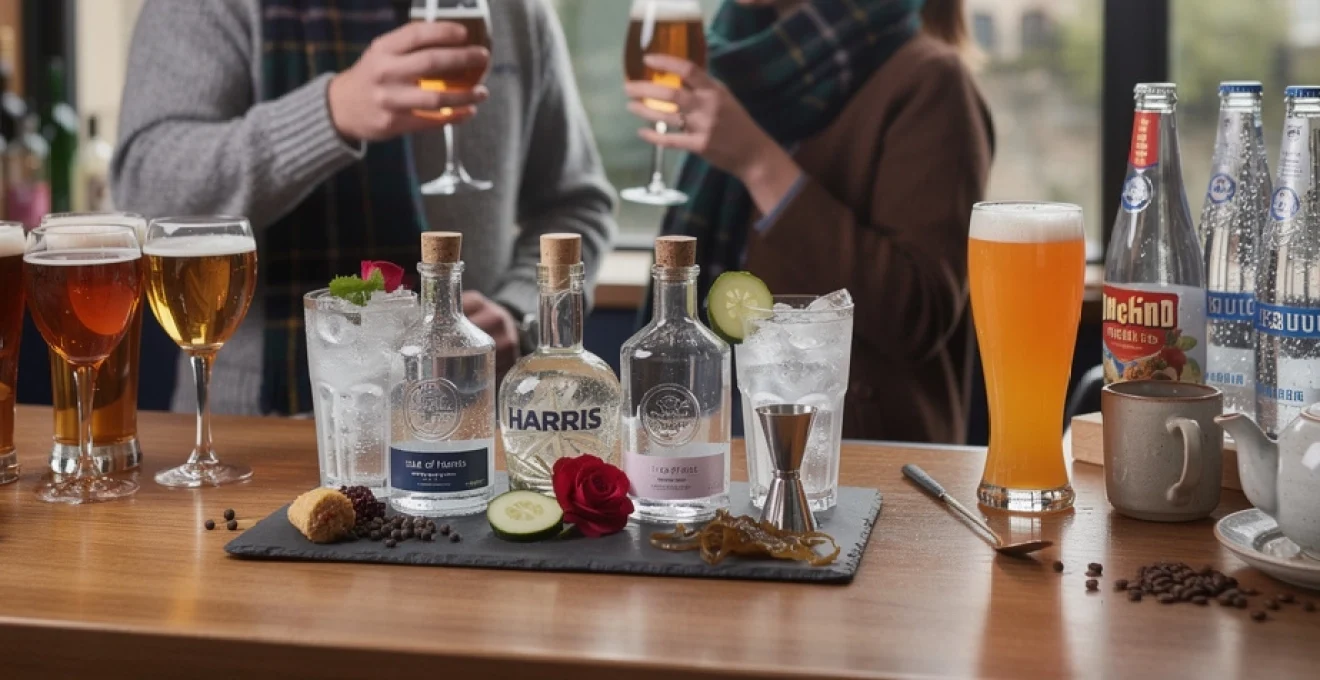
Scotland’s liquid heritage extends far beyond its world-renowned whisky distilleries, encompassing a rich tapestry of beverages that reflect centuries of brewing innovation, botanical mastery, and cultural tradition. From ancient heather ales that once graced Pictish tables to contemporary craft gin distilleries revolutionising the spirits industry, Scotland offers discerning drinkers an extraordinary range of premium beverages. The country’s pristine water sources, unique climate conditions, and abundant natural botanicals create the perfect foundation for producing exceptional drinks that rival any global offerings. Whether you’re seeking traditional Scottish ales with deep historical roots, artisanal spirits infused with local botanicals, or innovative craft beverages that push creative boundaries, Scotland’s diverse drinking landscape provides countless opportunities for exploration and discovery.
Traditional scottish ales and historic brewing heritage
Scotland’s brewing tradition spans over a millennium, with archaeological evidence suggesting that Pictish communities were crafting sophisticated ales as early as the 5th century. The country’s unique brewing heritage has evolved through centuries of innovation, creating distinctive beer styles that reflect both regional characteristics and historical influences. Scottish brewers have traditionally utilised local ingredients including barley, oats, and heather to produce ales with complex flavour profiles that distinguish them from their English and European counterparts.
The Scottish brewing industry experienced significant expansion during the Industrial Revolution, establishing many of the renowned breweries that continue operating today. These historic establishments developed brewing techniques specifically adapted to Scotland’s cooler climate and softer water sources, resulting in malt-forward ales with exceptional smoothness and depth. The tradition of cask conditioning remains particularly strong in Scotland, with many breweries maintaining time-honoured methods that enhance flavour complexity and create the creamy texture characteristic of premium Scottish ales.
Heavy and light scottish ales: tennent’s lager and caledonian brewing company
Scottish ale classification traditionally follows a unique strength system, categorising beers as Light (60-70 shillings), Heavy (70-80 shillings), and Export (80-90 shillings), based on historical pricing structures that reflected alcohol content and brewing complexity. This distinctive classification system emerged during the 19th century and continues influencing contemporary Scottish brewing practices. Heavy ales represent the quintessential Scottish beer style, offering robust malty sweetness balanced with subtle hop character that provides drinking satisfaction without overwhelming the palate.
Tennent’s Lager, established in Glasgow in 1885, has become Scotland’s most recognisable beer brand, combining German brewing techniques with Scottish water sources to create a distinctive lager that differs markedly from standard European offerings. The brewery’s innovative approach includes utilising specially selected Scottish barley varieties and extended fermentation periods that develop complex flavour notes rarely found in conventional lagers. Caledonian Brewing Company, founded in Edinburgh in 1869, maintains traditional brewing methods including direct-fired copper kettles that impart unique caramelised flavours to their award-winning ales, demonstrating how historical brewing techniques continue enhancing modern beer production.
Heather ales and ancient fraoch recipe revival
Heather ale represents Scotland’s most ancient brewing tradition, with recipes potentially dating back over 2,000 years to pre-Roman Celtic civilisations. Archaeological discoveries at Pictish settlements have revealed evidence of sophisticated brewing operations utilising heather flowers, suggesting that this distinctive beverage played significant cultural and ceremonial roles in ancient Scottish society. The traditional brewing process involves harvesting heather flowers during peak bloom periods, typically late summer, when essential oils and aromatic compounds reach optimal concentration levels.
Fraoch Heather Ale, produced by Williams Brothers Brewing Company, represents the most successful contemporary revival of this ancient recipe, combining historical research with modern brewing techniques to recreate authentic flavours. The brewing process requires precise timing and temperature control to extract heather’s delicate floral essences without introducing bitter tannins that could overpower the beer’s subtle complexity. This remarkable ale offers honey-like sweetness with distinctive herbal notes that transport drinkers to Scotland’s purple-covered highlands, demonstrating how traditional ingredients can create entirely unique drinking experiences unavailable elsewhere in the world.
Edinburgh’s deuchars IPA and stewart brewing innovations
Edinburgh’s brewing scene encompasses both established companies maintaining traditional methods and innovative craft breweries pushing creative
boundaries. Deuchars IPA, brewed by Caledonian (now under the stewardship of larger ownership but still firmly rooted in Edinburgh), helped introduce many Scottish drinkers to modern pale ale and IPA styles without abandoning the city’s malt‑forward traditions. Its moderate bitterness, gentle citrus notes, and biscuit‑like malt base make it an accessible gateway beer if you usually find IPAs too aggressive. You will see Deuchars IPA on cask in many Edinburgh pubs, where its creamy mouthfeel and subtle hop aroma showcase why Scottish cask ale remains so beloved.
Stewart Brewing, founded in 2004 on the outskirts of Edinburgh, represents the new wave of independent Scottish brewers combining traditional methods with experimental recipes. Their range extends from classic pale ales and porters to heavily hopped IPAs and limited‑edition collaboration brews, often using Scottish ingredients such as local oats or seasonal fruit. Visiting their taproom offers a snapshot of contemporary Scottish beer culture: you can sample small‑batch releases, learn about the brewing process, and even create your own personalised brew on their “Craft Beer Kitchen” system. For travellers keen to explore modern Scottish beer beyond whisky, Stewart Brewing is a compelling illustration of how innovation and heritage can coexist in the same pint.
Isle of skye brewing company and hebridean craft beer movement
While the Central Belt dominates Scotland’s brewing output, the Hebridean islands have quietly developed a distinctive craft beer identity of their own. The Isle of Skye Brewing Company, founded in 1995 in Uig, helped pioneer this remote beer culture by producing ales that capture the rugged character of the island landscape. Beers such as Skye Red and Black Cuillin showcase rich, toasty malts with gentle hop bitterness, designed to pair as well with local seafood as with hearty venison stews. When you sip a Skye ale overlooking the harbour, you’re tasting a beer style shaped by Atlantic weather, island water, and a slower pace of life.
The wider Hebridean craft beer movement now includes breweries across the islands, from the Outer Hebrides to Mull and Arran, many of which operate on a micro scale and supply only local pubs and shops. This creates a kind of liquid “terroir”: each island’s water profile, barley source, and brewing philosophy produces subtly different flavour profiles, even for similar beer styles. If you are driving the North Coast 500 or hopping between islands, ask in each village for the most local beer on tap—often it will be a small‑batch Hebridean ale you’ll struggle to find elsewhere in Scotland. Supporting these breweries not only gives you a richer understanding of what to drink in Scotland beyond whisky, it also helps sustain fragile island economies that rely on artisan food and drink production.
Premium scottish gin distilleries and botanical infusions
In the last decade, Scottish gin has surged from a niche product to a global success story, with more than 70% of UK gin now distilled north of the border. Much like whisky, the secret lies in exceptional water, access to high‑quality grain spirit, and a landscape rich in wild botanicals. From windswept island shorelines to Speyside woodlands, distillers forage seaweed, heather, Scots pine, and wild berries to create gins with a deep sense of place. For travellers wondering what to drink in Scotland if they are not whisky fans, premium Scottish gin offers an accessible introduction to local flavours, usually served as a simple gin and tonic that lets the botanicals shine.
Unlike whisky, gin doesn’t require years of barrel ageing, which means new distilleries can experiment and release products quickly. This has fuelled a wave of innovation, with Scottish gin makers producing seasonal editions, cask‑aged gins, and even savoury expressions driven by coastal botanicals. The result is a spectrum of flavour—from light, floral sippers ideal for summer aperitifs to robust, herbaceous gins that stand up in classic martinis and Negronis. As you travel through Scotland, seeking out small distillery tours and gin tastings can be as rewarding as visiting whisky distilleries, and often more interactive—many gin makers encourage you to smell and handle the botanicals before you taste the final spirit.
Hendrick’s gin cucumber and rose petal distillation process
Hendrick’s Gin, distilled in Girvan on the Ayrshire coast, is arguably the brand that helped ignite Scotland’s modern gin revolution. Its now‑iconic flavour profile—defined by cucumber and rose—was radical when launched in 1999, at a time when most gins still focused solely on juniper and citrus. Hendrick’s achieves this distinctive character by blending two separately distilled spirits: one made in a Carter‑Head still that delicately infuses lighter botanicals via vapour, and another from a traditional copper pot still that extracts deeper, richer flavours. Only after distillation are natural cucumber and Bulgarian rose essences added, creating that unmistakable aromatic lift.
The result is a gin that feels almost like a botanical perfume in a glass, with soft floral top notes and a cool, vegetal finish. Wondering how best to drink Hendrick’s in Scotland? Follow the distiller’s lead and garnish with thin slices of cucumber rather than the usual lime, which would overpower the more subtle aromatics. In cocktail bars across Edinburgh and Glasgow, you’ll also find Hendrick’s featured in inventive serves with rose lemonade, elderflower tonic, or even in a Southside cocktail with mint and citrus. If you usually find gin too sharp or juniper‑heavy, Hendrick’s offers a gentler introduction to Scottish gin with cucumber and rose that still retains classic structure.
Edinburgh gin’s seasonal botanical collections and flavour profiles
Edinburgh Gin has become synonymous with the capital’s vibrant drinks scene, producing a wide range of spirits that celebrate both classic gin craftsmanship and playful, seasonal flavour combinations. At the core of their range sits Edinburgh Gin Classic, distilled with traditional botanicals such as juniper, coriander seed, and angelica, alongside more local ingredients like milk thistle and cobnuts. This creates a balanced, versatile spirit ideal for a simple gin and tonic or a crisp martini. From this solid foundation, the distillery has built an ambitious portfolio of seasonal and flavoured expressions that highlight Scottish produce—from seaside botanicals to soft fruits harvested in the surrounding countryside.
Their Distillery Exclusive and seasonal releases often focus on specific times of year or regional ingredients: think gooseberry and elderflower for spring, or mulled gin liqueurs spiced for winter markets. If you are visiting Edinburgh and wondering what to drink beyond whisky, a tour of the Edinburgh Gin Distillery or their West End gin bar offers the chance to sample several of these limited editions side by side. Pay attention to how different botanicals—such as lavender, lemongrass, or local bramble berries—shift the flavour profile, much like adding instruments to an orchestra. This is an ideal way to understand how Scottish gin botanical collections can completely transform a classic base spirit into something seasonal and site‑specific.
Isle of harris gin sugar kelp infusion techniques
Few Scottish gins capture a sense of place as vividly as Isle of Harris Gin, distilled on the remote Outer Hebridean island of the same name. Its signature botanical is sugar kelp, a type of seaweed hand‑harvested by a local diver from the cold Atlantic waters around Harris. The distillers use this ingredient both fresh and dried, carefully controlling when it is introduced into the distillation process to maximise umami depth without overwhelming the gin with iodine or brine. This precision is crucial: treat the kelp like seasoning in a dish—too little and you miss the coastal character, too much and the balance is lost.
The finished gin offers gentle maritime notes—think sea breeze and wet stones—layered over citrus, juniper, and warm spice. Drunk simply with a high‑quality tonic and a slice of pink grapefruit, Isle of Harris Gin feels like walking along a Hebridean beach on a bright, windy day. The distillery itself has become a community hub, providing local employment and drawing visitors who might otherwise bypass the island. If you make the journey, you can see the sugar kelp infusion techniques up close and taste how small tweaks in botanical handling create a markedly different style from other Scottish coastal gins such as The Botanist or Rock Rose.
Pickering’s gin bombay sapphire alternative and royal mile heritage
Pickering’s Gin, distilled at Summerhall in Edinburgh, offers a compelling alternative for drinkers who typically reach for international brands like Bombay Sapphire. Based on a 1947 Indian recipe discovered in a family document, Pickering’s original gin blends warming spices such as cardamom, coriander, and cloves with citrus peel and juniper, resulting in a fragrant, slightly spicy profile that stands out in a gin and tonic. The distillery’s location in a converted veterinary school just off the Royal Mile adds another layer of character; you can tour the site, see the compact stills, and even admire the famous gin‑filled baubles that appear every Christmas.
For travellers wondering what to drink in Edinburgh beyond whisky, Pickering’s offers a range of expressions tailored to different palates, including a navy strength gin and subtly flavoured bottlings. The spiced backbone means it works particularly well in long drinks with ginger ale or in classic cocktails such as the Negroni, where it holds its own against bitter Campari and rich vermouth. Think of Pickering’s as a bridge between the juniper‑driven London Dry style and more aromatic, spice‑forward gins: if you usually choose Bombay Sapphire at home, ordering a Pickering’s and tonic in a Royal Mile bar is an easy way to switch to a genuinely Scottish craft gin without leaving your flavour comfort zone.
Highland spring water and premium scottish soft drinks
All great drinks start with great water, and Scotland’s natural springs are the quiet heroes behind many of its most famous beverages—whisky included. Highland Spring, one of the UK’s best‑known bottled water brands, is sourced from the Ochil Hills in Perthshire, where rainwater filters slowly through basalt and sandstone before emerging enriched with calcium and magnesium. The result is a soft, clean water that both locals and visitors rely on, whether as a simple refreshment or as the base for coffee, tea, and high‑end mixed drinks. When you order a premium Scottish gin and tonic, there’s a good chance the ice in your glass began life in these same hills.
Beyond still and sparkling spring water, Scotland also has a lively scene of premium soft drinks that go far beyond standard sodas. Brands working with elderflower, rhubarb, gooseberry, and Scottish raspberries produce cordials and mixers designed to pair with gin, vodka, or simply sparkling water. If you’re exploring what to drink in Scotland without alcohol, look out for craft kombuchas, botanical sodas, and low‑sugar lemonades that use local honey instead of refined sugar. These drinks often appear in farm‑shop cafés and independent bars rather than in major supermarkets, so it pays to ask staff what non‑alcoholic Scottish options they recommend.
No discussion of Scottish soft drinks is complete without mentioning Irn‑Bru, the luminous orange “other national drink” that outsells Coca‑Cola in Scotland. Its exact flavour is famously hard to describe—some say bubblegum and citrus, others cream soda with a hint of spice—but its cultural status is unquestioned. Many Scots swear by Irn‑Bru as a hangover cure, pairing it with a bacon roll the morning after a night of whisky or craft beer. While the sugar content makes it an occasional rather than everyday choice, trying a can of Irn‑Bru is almost a rite of passage if you want to drink like a local in Scotland.
Artisanal scottish coffee roasters and independent tea blenders
Scotland’s cool, wet climate might not be ideal for growing coffee or tea, but it is perfect for drinking them. In recent years, a wave of artisanal coffee roasters and independent tea blenders has transformed café culture from Edinburgh to Inverness. Small‑batch roasters import green beans from countries such as Ethiopia, Colombia, and Kenya, then roast them locally to highlight fruit, chocolate, or nutty notes depending on the origin. Like choosing a single‑malt whisky, selecting a coffee from a particular farm or region allows you to explore different flavour profiles and processing methods in an accessible way.
Across cities and even in some rural towns, you’ll find Scottish speciality coffee shops serving expertly pulled espresso, pour‑overs, and filter coffee. Many of these cafés work directly with local roasters, meaning you can drink a flat white made with beans roasted just a few miles away. If you are planning what to drink in Scotland during the day, alternating between whisky tastings and slow mornings in independent coffee shops is an excellent way to pace yourself. Ask baristas which beans are best suited for milk‑based drinks versus black filter coffee—much like asking a bartender which gin works best in a martini versus a tonic.
Tea remains deeply woven into Scottish daily life, from robust breakfast blends served in B&Bs to delicate loose‑leaf infusions in city tea rooms. Independent blenders often create their own Scottish breakfast teas by combining malty Assam leaves with brisk Kenyan or Ceylon teas, aiming for strength without bitterness. Other blends might feature local botanicals such as heather, wild mint, or even smoked tea leaves that echo the peaty aromas of Islay whisky. If you’re cutting back on alcohol but still want a sense of place in your cup, sampling a flight of Scottish loose‑leaf teas at a specialist shop can be surprisingly similar to a guided whisky tasting—aroma first, then flavour, then finish.
Contemporary scottish wine regions and vineyard developments
Wine might not be the first thing you associate with Scotland, but climate change and advances in cool‑climate viticulture have gradually nudged vineyards northwards. A handful of experimental Scottish vineyards now grow hardy grape varieties—often hybrids such as Solaris, Rondo, or Seyval Blanc—capable of ripening in cooler, shorter growing seasons. These projects, typically located in relatively sheltered pockets of the Central Belt or along the east coast, focus on small‑scale production of white, rosé, and sparkling wines. Think of them less as direct competitors to Burgundy and more as the vinous equivalent of a pioneering craft brewery.
Because production volumes are tiny, Scottish wines are usually found only in local restaurants, farm shops, or directly from the vineyard. If you’re a curious drinker exploring everything to drink in Scotland, seeking out a bottle offers a fascinating comparison with better‑known English sparkling wines from Kent or Sussex. Expect high acidity, delicate citrus and green apple notes, and often a light spritz in the glass—flavours that pair well with Scottish seafood, soft cheeses, and summer salads. As the industry matures, we can expect more structured reds and complex traditional‑method sparkling wines, but for now, part of the appeal lies in the experimental, frontier‑feel of these projects.
It’s also worth remembering that Scotland has centuries‑old cultural ties to wine through import rather than production. For hundreds of years, claret from Bordeaux was effectively the national drink, thanks to the Auld Alliance with France. Today, Scotland’s wine bars and independent merchants continue that tradition of appreciation, offering thoughtfully curated lists that range from classic French appellations to natural wines from small European producers. So while vineyards on Scottish soil are still rare, a strong wine culture ensures you’ll never struggle to find an interesting glass of red or white to accompany your meal.
Traditional scottish beverages: irn‑bru and regional specialities
Alongside global brands and modern craft products, Scotland preserves a rich array of traditional beverages that reflect regional tastes and historical habits. We’ve already met Irn‑Bru as the country’s iconic soft drink, but several other local favourites are worth seeking out if you want to drink like a Scot. In the north‑east, for example, you may come across “tablet” flavoured milkshakes or hot chocolates inspired by the ultra‑sweet fudge‑like confection, while in the Highlands, cafés sometimes offer oat milk drinks flavoured with honey and heather to echo old mead recipes. These small twists on modern beverages create a bridge between contemporary café culture and older Scottish food traditions.
On the alcoholic side, Scotland has a long history of producing fortified and flavoured wines that sit somewhere between liqueur and aperitif. Brands like Buckfast—technically a tonic wine made in England but deeply woven into Scottish urban culture—are notorious, but more refined options now include locally blended vermouths and herbal aperitifs using Scottish botanicals. You might find a cocktail bar in Glasgow stirring a Negroni with Scottish gin and a vermouth infused with Scots pine or rowanberry, creating a drink that is Italian in structure but entirely Scottish in flavour. Asking bartenders for a “Scottish twist” on a classic cocktail is an easy way to discover these regional specialities.
Finally, don’t overlook humble drinks such as barley‑based “crowdie” smoothies, elderflower pressés made from hedgerow blossoms, or traditional ginger beer brewed in small batches by local producers. While they may not have the global profile of Scotch whisky, these everyday beverages tell you just as much about how people really live, eat, and drink in Scotland. Whether you are sipping Irn‑Bru from a glass bottle on a harbour wall, sampling heather ale in a Highland pub, or raising a martini made with Isle of Harris Gin in a city bar, you’ll find that Scotland’s drinking culture is as diverse and characterful as its landscapes.